Affordable New Batteries for AZE0-0 Leaf Owners
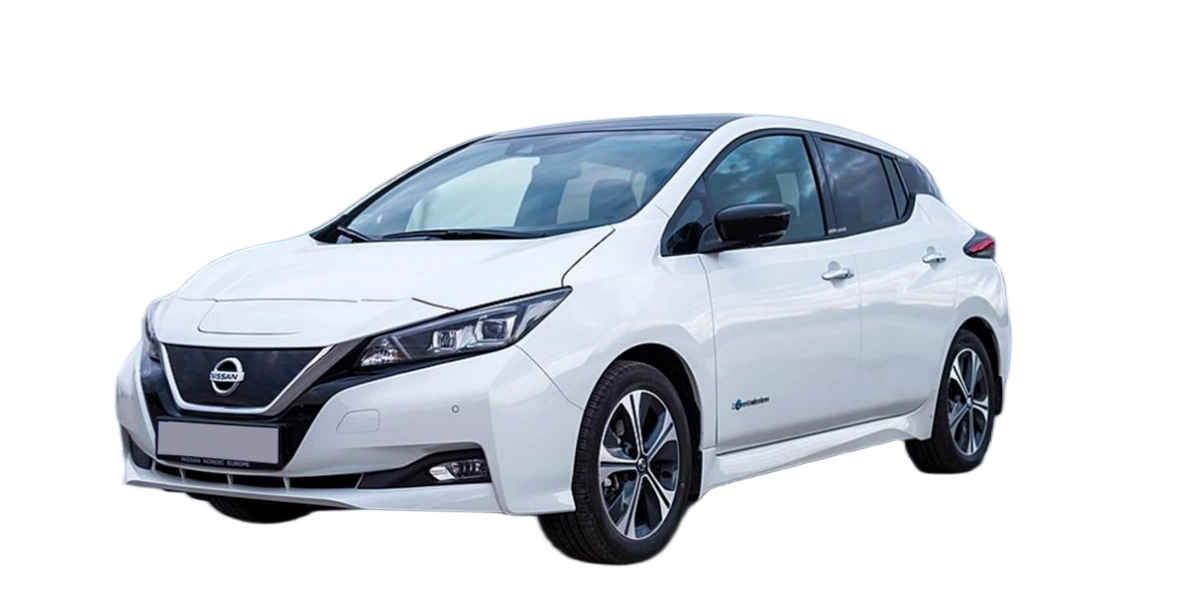
Owning a Nissan Leaf AZE0 is a smart choice for eco-conscious drivers, but battery degradation over time is an inevitable reality. As a Leaf owner, you likely face a tough decision: pay the exorbitant price for an Original Equipment Manufacturer (OEM) replacement or settle for the risks of used or refurbished packs. If you’re searching for a solution that offers the longevity of a new battery without breaking the bank, you’re in the right place. This guide is specifically crafted for AZE0 owners looking to maximize their vehicle’s lifespan with a high-quality, cost-effective battery replacement.
The Nissan Leaf AZE0 Battery Dilemma
The Nissan Leaf AZE0 (second generation) was a significant leap forward in electric vehicle technology, offering 40kWh, 50kWh, and 62kWh variants. However, as these vehicles age, battery capacity naturally fades. For many AZE0 owners, the “range anxiety” that was once a myth becomes a daily reality.
The market currently presents two primary options, both with significant drawbacks:
- OEM Batteries: While reliable, these come with a sticker shock that often exceeds $10,000 USD. For a vehicle that may be 5-8 years old, this investment rarely makes financial sense.
- Used/Refurbished Batteries: These are cheaper upfront but carry high risks. Unknown cell health, potential for swelling, and short lifespans mean you might be back in the repair shop within a year.
There is a third way: investing in a brand-new aftermarket battery built to OEM specifications but at a fraction of the cost.
Why Choose a New Aftermarket Battery?
As an expert in EV powertrain customization, I recommend new aftermarket solutions for AZE0 owners who want to future-proof their investment. Unlike recycled cells, a new battery guarantees a known lifespan and optimal performance.
1. Superior Cell Technology
The core of any battery is its cells. Reputable aftermarket manufacturers utilize brand-new cells from top-tier suppliers like CATL (Contemporary Amperex Technology Co. Limited). CATL is one of the world’s largest lithium-ion battery manufacturers, known for safety and energy density. Using new CATL cells means your AZE0 will have a battery chemistry profile that matches or exceeds the original Nissan specifications.
2. Cost Efficiency
The most compelling reason to choose an aftermarket solution is the price. You can typically save 50% or more compared to the OEM price tag. For example, while a dealer might charge $12,000 for a replacement, a high-quality aftermarket pack can be acquired for around $6,000 to $7,500, depending on capacity. This makes economic sense, allowing you to keep a reliable EV on the road without the financial burden of a new car payment.
3. Warranty Protection
Gone are the days when aftermarket meant “no warranty.” Leading suppliers now offer comprehensive warranties, such as 2 years or 80,000 km, which often surpasses the coverage offered by some used battery vendors. This warranty typically covers defects in materials and workmanship, ensuring you aren’t left stranded if an issue arises.
Technical Specifications for Your AZE0
When sourcing a replacement battery for your AZE0, it is crucial to understand the specifications to ensure compatibility. The AZE0 platform is versatile, supporting various capacities. Here is a breakdown of the standard options available in the aftermarket:
| Battery Capacity | Approx. Range (WLTP) | Ideal For |
|---|---|---|
| 40 kWh | 240 – 270 km | City driving, short commutes |
| 50 kWh | 300 – 330 km | Mixed urban/highway use |
| 62 kWh | 360 – 390 km | Long-distance travel, highway driving |
Note: Range figures are estimates and can vary based on driving style, weather, and terrain.
Compatibility and Installation
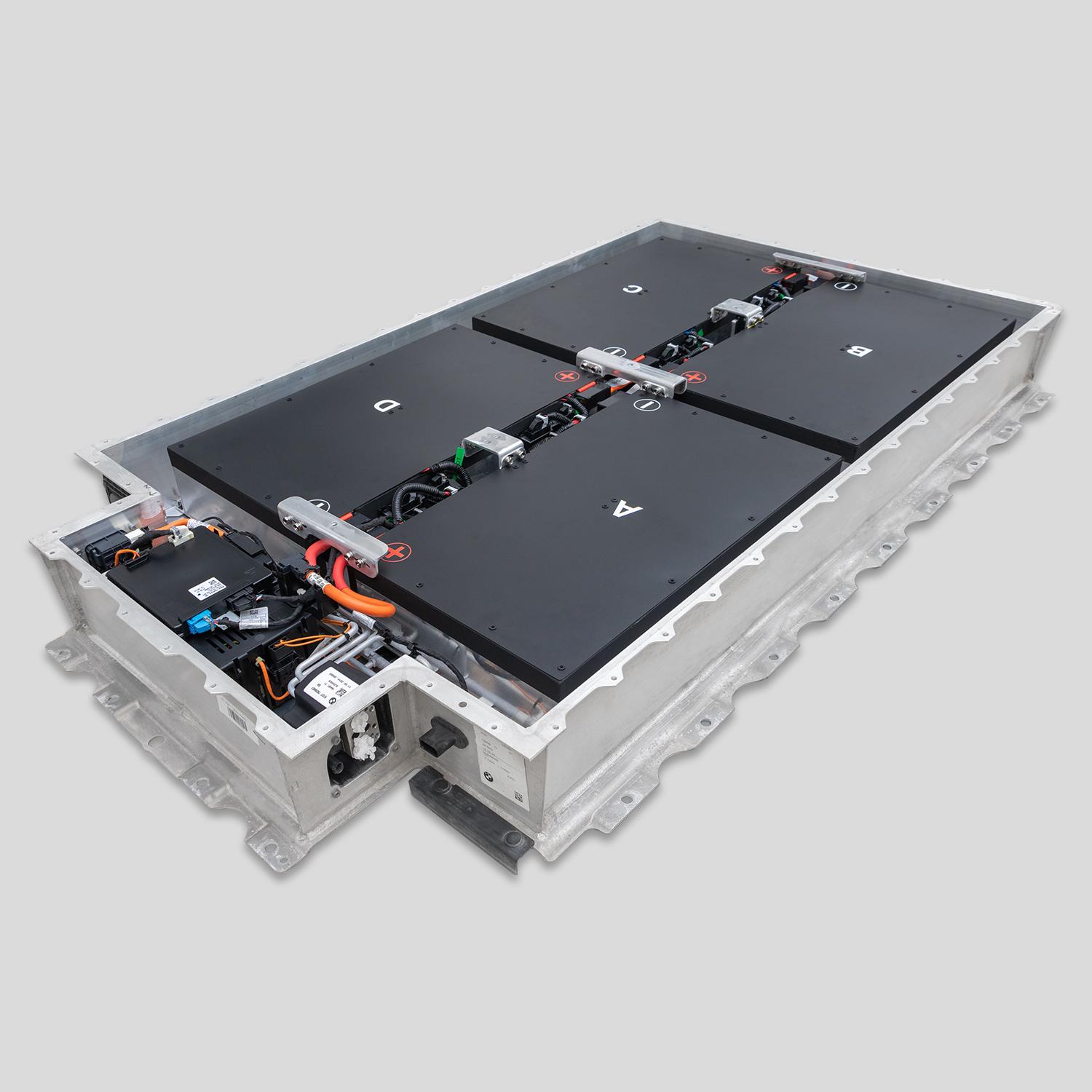
One of the biggest concerns for owners is whether the battery will physically fit and electrically communicate with the car. The best aftermarket batteries are designed with OEM-standard R&D. This means:
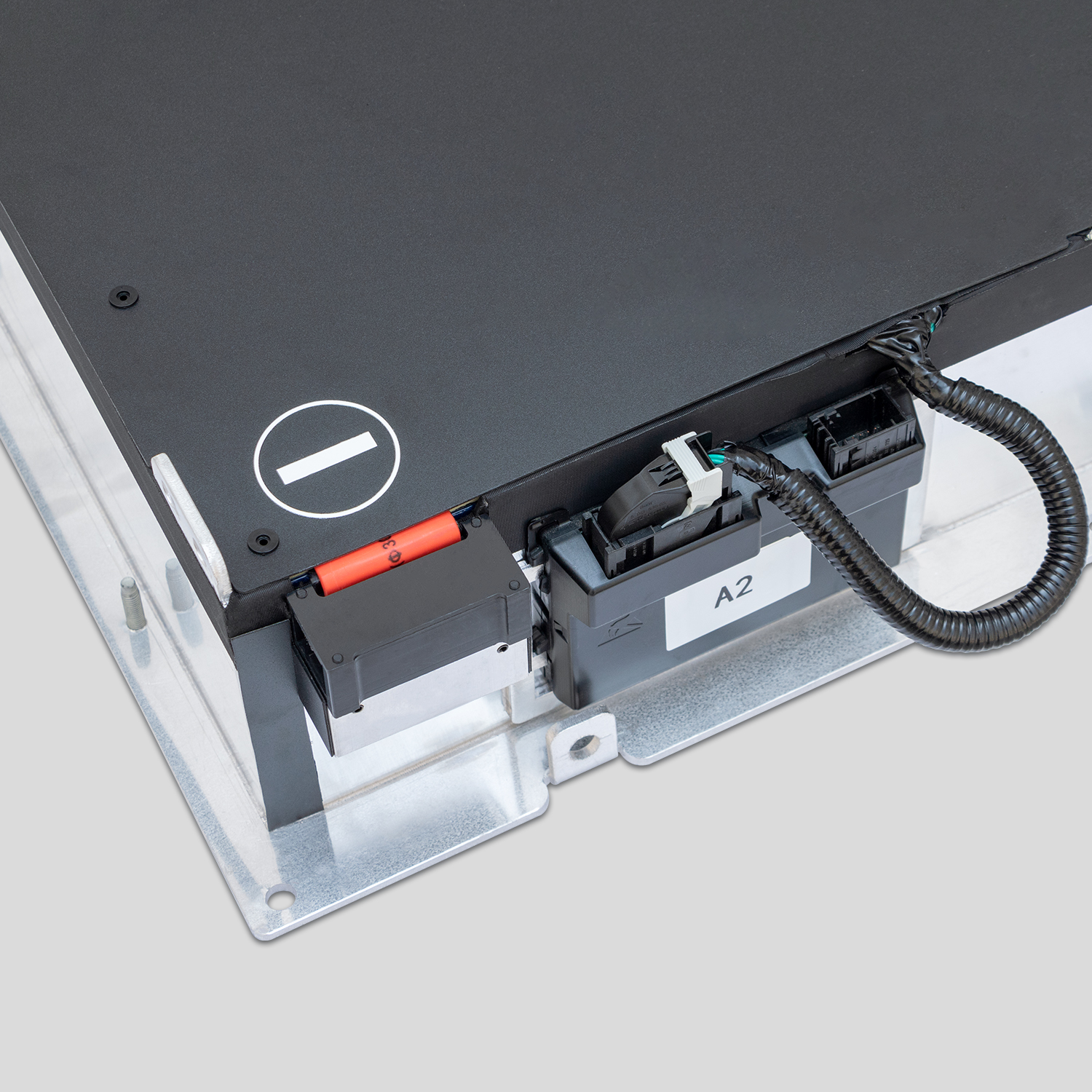
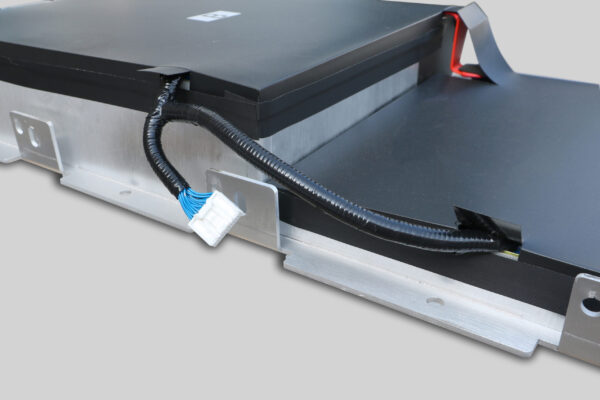
- Plug-and-Play Design: The connectors, mounting brackets, and harnesses are engineered to match the original Nissan specifications.
- BMS Integration: The Battery Management System (BMS) is programmed to communicate seamlessly with the Leaf’s Vehicle Control Module (VCM), ensuring the dashboard displays accurate State of Charge (SOC) and health metrics.
- Thermal Management: Proper integration with the car’s cooling system is vital for longevity, and modern aftermarket packs are designed with this in mind.
Making the Right Choice
As a Leaf owner, your goal is to extend the life of your vehicle safely and affordably. Choosing a new aftermarket battery allows you to do just that. By utilizing new CATL cells and adhering to strict manufacturing standards, these batteries offer a “zero-failure” reliability that used packs simply cannot match.
Before making a purchase, always verify the supplier’s credentials. Look for companies that offer:
- Transparency: Clear information about cell sources and manufacturing processes.
- Support: Access to technical experts who can guide you through VIN compatibility checks and installation.
- Certifications: Evidence of safety testing and compliance with international shipping standards (especially important for lithium batteries).
Don’t let a degraded battery end your EV journey. With the right information and a reliable supplier, you can get back on the road with confidence.
Ready to find your perfect battery match? Get a free quote today and discover how you can upgrade your Nissan Leaf AZE0 for less.
Frequently Asked Questions (FAQ)
1. Is an aftermarket battery safe for my Nissan Leaf AZE0?
Yes, when sourced from a reputable manufacturer. High-quality aftermarket batteries use the same industrial-grade materials and safety standards as OEM batteries. Look for suppliers that use brand-new CATL cells and provide a solid warranty (e.g., 2 years), which indicates confidence in their product’s safety and durability.
2. How much can I expect to save compared to a dealership?
You can typically expect to save over 50% of the cost. While dealership replacements can cost upwards of $12,000 to $16,000, a premium aftermarket solution generally falls in the $6,000 to $8,000 range, offering the same performance and lifespan as a new OEM pack.
3. Will I lose my factory warranty if I install an aftermarket battery?
Installing an aftermarket battery will likely void the specific “battery” portion of your factory warranty. However, for most AZE0 owners, the factory battery warranty has already expired (usually 8 years/100,000 miles). Reputable suppliers offer their own warranties (often 2 years/80,000 km) that cover the new battery.
4. Can I install this myself, or do I need a mechanic?
While it is technically possible for a skilled DIYer with the right tools, we strongly recommend professional installation. The process involves high-voltage components and often requires BMS programming to integrate with your car’s software. Many suppliers offer installation guides or remote video support to assist technicians.
5. How long does the installation process take?
For a professional technician, the physical installation usually takes 1 to 2 hours. This includes disconnecting the old battery, removing the module, installing the new unit, and reconnecting the cables. Additional time may be needed for diagnostic testing and software programming to ensure the dashboard reads the battery correctly.