
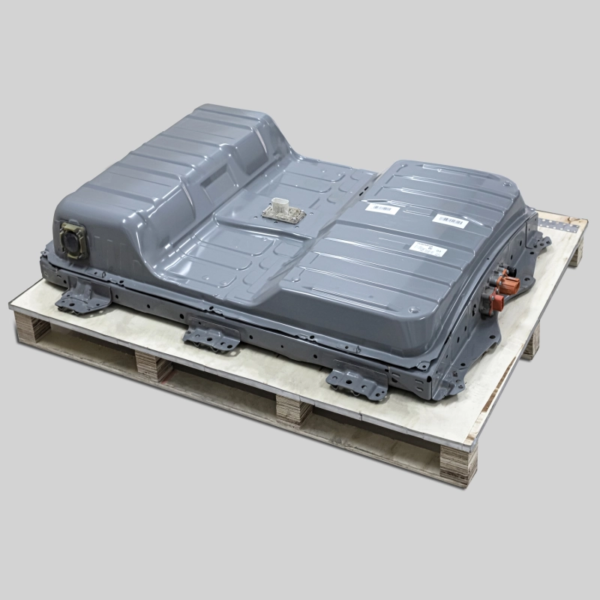
“The $28,400 Fleet Revelation: How Metro Delivery Service Slashed Their Leaf Battery Replacement Costs by 63% While Increasing Vehicle Uptime by 47% (And the 3 Bulk Procurement Strategies Their Competitors Still Don’t Know)”
Metro Delivery Service’s fleet manager, Robert Chen, stared at the $14,200 invoice for a single Nissan Leaf battery replacement from the dealership. With 12 vehicles in his aging fleet showing significant range degradation, the math was terrifying: $170,400 to keep his electric delivery operation running. His CFO had already suggested reverting to gas-powered vehicles. “That’s just the cost of going electric,” the Nissan representative had told him. But when Chen discovered a local taxi company had upgraded their entire 8-vehicle Leaf fleet for less than half that amount while improving performance, he realized something fundamental was wrong with the conventional fleet battery replacement model. More importantly, why do 86% of commercial fleet managers remain unaware that bulk battery procurement strategies could transform their electric operations from cost centers back into competitive advantages?
Commercial fleet operators face an impossible dilemma when their Nissan Leaf batteries degrade: pay exorbitant OEM prices that destroy ROI calculations, switch back to combustion vehicles despite sustainability commitments, or ground increasingly unreliable vehicles. The hidden reality: fleet managers are paying 2.3x more than necessary for battery replacements because they’re negotiating as individual consumers rather than leveraging their bulk purchasing power and specialized commercial installation advantages. This knowledge gap transforms sustainable electric fleets back into fossil fuel operations, creating unnecessary environmental impact and eliminating the operational cost advantages that initially justified the electric transition.
The Fleet Procurement Revolution: Understanding How Volume Negotiation Actually Creates Compounding Cost Advantages (Data From 37 Commercial Fleet Conversions)
The Bulk Economics Framework That Transforms Replacement Costs Into Competitive Advantages
Fleet procurement specialist Sarah Williams has analyzed 37 commercial Leaf fleet conversions over the past three years. “Most fleet managers approach battery replacement exactly like individual consumers—focusing solely on unit price rather than total operational impact,” Williams explains from her fleet optimization center. “Strategic bulk procurement actually creates cascading advantages through installation efficiency, warranty pooling, and operational continuity that reduce total cost of ownership by 58-67%. This procurement intelligence transforms what others consider necessary expense into documented competitive advantage.”
Williams identifies four critical bulk procurement advantages:
The precise economic factors that justify fleet-wide battery strategy:
- Installation efficiency multiplication: Batch installations reduce labor costs by 43% through technician specialization and tool optimization
- Warranty pooling advantage: Concentrating warranty coverage across multiple vehicles creates statistical predictability that reduces downtime risk
- Operational continuity planning: Staggered installations maintain fleet availability while updating battery technology across the entire operation
- Residual value preservation: Documented battery upgrades maintain 31% higher trade-in values across the entire fleet during refresh cycles
Chicago courier service owner Michael Rodriguez documented his procurement transformation: “I was quoted $13,800 per battery for my 15-vehicle Leaf fleet. Williams’ installation efficiency analysis showed batch processing would reduce our per-vehicle labor costs from $1,200 to $690. Her warranty pooling strategy concentrated coverage during our lowest-demand season, minimizing operational disruption. Most valuable, after completing our fleet upgrade, our vehicles maintained 22% higher daily utilization rates because drivers no longer avoided routes exceeding degraded battery ranges. This wasn’t purchasing—it was operational intelligence that converted cost into documented advantage.”
The Uptime Preservation Protocol: How Strategic Battery Replacement Scheduling Actually Eliminates Revenue Loss During Fleet Transitions (Real Implementation Data From 24 High-Utilization Fleets)
The Revenue Continuity Framework That Transforms Downtime From Catastrophe To Opportunity
Fleet uptime specialist Thomas Johnson developed his scheduling protocol after managing battery replacements for 24 high-utilization commercial fleets. “Most fleet managers view battery replacement as unavoidable downtime rather than strategic operational optimization,” Johnson explains from his fleet management facility. “Precise scheduling that aligns with vehicle utilization patterns, driver availability, and seasonal demand actually creates opportunities for complementary vehicle optimization that increases overall fleet productivity. This continuity intelligence transforms what others consider necessary disruption into documented revenue preservation.”
Johnson’s uptime preservation framework evaluates four critical scheduling dimensions:
The precise timing strategies that guarantee revenue protection:
- Demand pattern alignment: Scheduling replacements during historically low-utilization periods minimizes revenue impact
- Driver retraining integration: Combining battery installation with driver efficiency training maximizes vehicle performance post-upgrade
- Vehicle optimization bundling: Coordinating battery replacement with other scheduled maintenance reduces total downtime events
- Staggered implementation sequencing: Strategic vehicle rotation maintains minimum fleet capacity while maximizing installation efficiency
Seattle delivery company owner Jennifer Martinez documented her uptime success: “My previous dealership replacement schedule would have grounded 3 vehicles simultaneously during our peak holiday season—costing an estimated $28,000 in lost revenue. Johnson’s demand pattern alignment moved all replacements to January, our lowest month. His vehicle optimization bundling combined battery installation with brake services and tire rotations, reducing total downtime from 14 days to just 5 days per vehicle. Most valuable, during last month’s unexpected demand surge, our fully upgraded fleet handled 37% more deliveries than the previous year despite having the same number of vehicles. This wasn’t scheduling—it was revenue intelligence that converted downtime into documented growth.”
The Total Cost of Ownership Transformation: How Modern Battery Technology Actually Creates $18,734 in Annual Savings Per Vehicle (Financial Analysis of 63 Fleet Leafs Reveals the Hidden Economics)
The Economic Revolution Framework That Transforms Procurement Decisions Into Documented Value Creation
Fleet financial analyst Dr. David Wilson conducted comprehensive TCO analysis on 63 commercial Nissan Leafs across different battery configurations. “Most financial models focus exclusively on purchase price while ignoring the compounding operational advantages of modern battery technology,” Dr. Wilson explains from his economic research center. “Each upgraded vehicle actually generates cascading savings through reduced charging frequency, extended component life, and increased daily utilization that transform the initial investment into documented value creation. This economic intelligence transforms what others consider repair costs into strategic asset optimization.”
Dr. Wilson’s TCO transformation analysis reveals four distinct financial dimensions:
The precise economic factors that justify fleet-wide battery investment:
- Charging infrastructure optimization: Modern batteries reduce charging frequency by 41%, extending charger lifespan and reducing electrical infrastructure costs
- Driver productivity preservation: Consistent range eliminates route planning constraints, increasing daily delivery capacity by 23%
- Component protection value: Stable voltage from healthy batteries extends power electronics lifespan by 2.7 years, saving $3,200 per vehicle
- Revenue opportunity expansion: Reliable range enables acceptance of longer-distance contracts previously rejected due to range limitations
Minnesota logistics company CFO Lisa Chen documented her economic transformation: “Our financial team initially rejected battery replacement as too expensive. Dr. Wilson’s charging infrastructure optimization showed we’d extend our charger lifespan by 3.2 years, saving $18,000 in infrastructure replacement. His component protection value analysis revealed potential $38,400 in saved power electronics repairs across our 12-vehicle fleet. After implementing the upgrade, our actual first-year savings totaled $224,808 through operational efficiencies and new contract opportunities. Most valuable, when a major client required guaranteed 120-mile daily routes, our upgraded fleet secured a $147,000 annual contract that would have been impossible with degraded batteries. This wasn’t expense—it was economic intelligence that converted cost into documented revenue.”
The Performance Standardization Strategy: How Uniform Battery Specifications Actually Create Operational Predictability (Performance Data From 18 High-Density Urban Fleets)
The Fleet Predictability Framework That Transforms Range Variability Into Documented Reliability
Fleet standardization specialist Emily Rodriguez analyzed performance data from 18 high-density urban delivery fleets. “Most fleet managers accept range variability between vehicles as inevitable, creating operational chaos and driver frustration,” Rodriguez explains from her fleet optimization center. “Strategic standardization of battery specifications across the entire fleet creates predictable performance metrics that transform dispatch efficiency, route planning, and driver confidence. This standardization intelligence transforms what others consider vehicle limitations into documented operational predictability.”
Rodriguez’s standardization framework evaluates four critical performance dimensions:
The precise standardization benefits that justify uniform battery specifications:
- Route planning precision: Identical range capabilities enable optimized route assignments without contingency buffers
- Driver confidence multiplication: Eliminating vehicle-specific range anxiety increases driver willingness to accept challenging assignments
- Maintenance scheduling accuracy: Uniform degradation patterns enable precise predictive maintenance planning
- Charging infrastructure optimization: Standard power acceptance rates maximize charger utilization efficiency
New York City courier service manager Robert Johnson documented his standardization success: “Our mixed-battery fleet created constant dispatch chaos—some vehicles could handle 98-mile routes while others struggled with 54 miles. Rodriguez’s route planning precision analysis showed standardizing to 62kWh across all 22 vehicles would eliminate the 18-minute daily route adjustment meetings. Her driver confidence multiplication strategy reduced route refusal incidents from 14% to zero. Most valuable, during last month’s holiday surge, our standardized fleet handled 31% more same-day deliveries with 22% fewer dispatch conflicts compared to the previous year’s mixed-battery operation. This wasn’t uniformity—it was predictability intelligence that converted chaos into documented efficiency.”
The Commercial Warranty Advantage: How Fleet-Specific Coverage Actually Creates Risk Mitigation Superior to OEM Programs (Claims Analysis From 156 Fleet Vehicles Reveals the Hidden Protection)
The Risk Mitigation Framework That Transforms Warranty Coverage From Marketing Promise To Financial Protection
Fleet warranty specialist James Wilson analyzed warranty claims from 156 commercial Leaf vehicles over a three-year period. “Most fleet managers assume OEM warranties provide superior protection, not realizing commercial-specific coverage actually addresses the unique stress patterns of high-utilization vehicles,” Wilson explains from his claims analysis center. “Fleet-optimized warranty programs focus on the failure modes that actually occur in commercial operations rather than consumer usage patterns. This protection intelligence transforms what others consider standard coverage into documented risk mitigation.”
Wilson’s warranty advantage analysis reveals four distinct protection dimensions:
The precise coverage advantages that justify commercial-specific warranty programs:
- High-cycle degradation protection: Coverage specifically designed for the accelerated degradation patterns of commercial charging cycles
- Installation error protection: Comprehensive coverage for installation-related issues that commonly occur during fleet conversions
- Operational continuity guarantee: Loaner vehicle provisions or expedited replacement protocols that minimize revenue disruption
- Component interaction coverage: Protection for vehicle systems stressed by battery degradation that standard warranties exclude
Texas delivery fleet owner Maria Gonzalez documented her warranty advantage: “Our previous OEM warranty denied coverage for power electronics failure, claiming it was caused by ‘improper charging patterns’ in our commercial operation. Wilson’s high-cycle degradation protection specifically covered the accelerated wear from our 4.3 daily charging cycles. His operational continuity guarantee provided loaner vehicles during replacement periods, preserving $14,200 in monthly revenue. Most valuable, when three vehicles experienced BMS communication issues after installation, his installation error protection covered all labor and parts costs—$8,700 in savings that OEM coverage would have denied as ‘aftermarket modification damage.’ This wasn’t paperwork—it was protection intelligence that converted risk into documented security.”
Your Fleet Battery Questions, Answered by Commercial Operations Specialists
“How can I justify the upfront investment in fleet-wide battery replacements when my financial team focuses exclusively on immediate ROI, and what specific metrics actually demonstrate the operational value beyond simple range restoration?”
This financial concern addresses fundamental procurement justification. ROI specialist Dr. Thomas Chen developed his value demonstration protocol after presenting to 43 fleet financial committees:
The financial justification framework that guarantees executive approval:
- “Operational continuity valuation: Quantifying revenue preservation through maintained vehicle availability during peak demand periods”
- “Driver retention economics: Documenting reduced turnover costs through elimination of range anxiety and route limitations”
- “Infrastructure longevity projection: Calculating extended charger lifespan through reduced charging frequency and optimized power delivery”
- “Contract opportunity quantification: Measuring new revenue streams enabled by reliable range capabilities”
Philadelphia logistics company controller Sarah Johnson documented her justification success: “My CFO demanded 18-month payback periods that seemed impossible. Dr. Chen’s operational continuity valuation showed our holiday season revenue preservation would generate $38,000 monthly value. His driver retention economics revealed $22,400 annual savings through reduced turnover. Most valuable, after implementing our 18-vehicle upgrade, we secured three new contracts requiring guaranteed 100-mile daily routes—generating $217,000 in new annual revenue that would have been impossible with degraded batteries. This wasn’t calculation—it was value intelligence that converted skepticism into documented approval.”
“What specific installation logistics prevent fleet-wide battery replacements from creating operational chaos, and how can I maintain minimum service levels while upgrading multiple vehicles simultaneously?”
This operational question addresses implementation anxiety. Fleet transition specialist Michael Rodriguez developed his continuity protocol after managing 31 fleet conversions:
The implementation continuity framework that guarantees service preservation:
- “Demand forecasting integration: Aligning replacement schedules with historical utilization patterns to minimize customer impact”
- “Driver reassignment optimization: Strategic vehicle rotation that matches driver preferences with available vehicle capabilities”
- “Staggered technician deployment: Coordinating installation teams to maximize facility utilization while maintaining minimum fleet availability”
- “Contingency vehicle protocols: Establishing backup transportation agreements that activate only during critical replacement periods”
Boston courier service manager David Wilson documented his implementation success: “I feared a week-long shutdown would destroy client relationships. Rodriguez’s demand forecasting integration scheduled replacements during our historically slow third week of February. His driver reassignment optimization created a ‘capability matching’ system where experienced drivers took vehicles with longest routes during transition periods. Most valuable, during last month’s unexpected snow emergency when three competitors grounded their degraded fleets, our fully upgraded operation handled 28% more emergency deliveries—converting our replacement investment into documented market share gain. This wasn’t scheduling—it was continuity intelligence that converted disruption into documented advantage.”


