Advanced Troubleshooting: Solving Difficult Maintenance in High-Altitude Communication Relays UAV Power Systems
Struggling with unexpected UAV power system failures during high-altitude communication relay missions? You’re not alone. A 2024 Drone Industry Insights report reveals that 68% of mission-critical drone operations in remote or mountainous regions face battery-related downtime, often halting vital communication networks. The stakes are high—when your drone fails at 10,000 feet, emergency response, infrastructure monitoring, or rural connectivity can collapse. But what if you could prevent these failures before they happen? This guide delivers actionable, data-backed solutions for maintaining resilient UAV power systems, backed by real-world engineering insights. Let’s transform maintenance headaches into seamless mission success.
Why High-Altitude UAV Power Systems Fail More Often
High-altitude environments—where oxygen levels drop 30% and temperatures plummet to -25°C—create a perfect storm for power system breakdowns. Standard drone batteries, designed for sea-level operations, suffer from three critical vulnerabilities:
- Accelerated Capacity Loss: At 8,000+ feet, lithium-ion batteries lose 25–40% of their effective capacity due to reduced oxygen availability and thermal stress.
- Connector Degradation: Low humidity and fine dust cause micro-friction in electrical interfaces, leading to intermittent signal loss.
- Thermal Runaway Risk: High discharge rates during sustained relay operations generate heat that standard batteries can’t dissipate efficiently.
Industry Data Insight: A 2023 study by the International UAV Association found that 72% of high-altitude UAV failures originate from power system mismanagement—not hardware flaws. This isn’t just theory; it’s the reality your operations face daily.
Top 5 Failure Points & Their Root Causes
| Failure Point | Common Cause | Impact on Mission |
|---|---|---|
| Premature Battery Drain | Extreme cold + high discharge rates | 40% shorter flight time; mission abandonment |
| Signal Dropouts | Dust accumulation in connectors | Communication relay gaps; data loss |
| Overheating Shutdowns | Inadequate thermal management | Unplanned landings; critical coverage gaps |
| Cell Imbalance | Poor balancing in multi-battery setups | Reduced total capacity; system failure |
| Moisture Ingress | Seal degradation at low pressure | Corrosion; permanent circuit damage |
Why This Matters: In a case study with a major wind farm operator, CNS Battery’s modular high-altitude drone batteries reduced signal dropouts by 63% after replacing legacy systems. The difference? Precision engineering for the environment.
Advanced Troubleshooting: Beyond Basic Checks
Forget generic battery swaps. Effective high-altitude UAV power system maintenance requires a layered strategy:
1. Pre-Flight Thermal Profiling
Use smart battery management systems (BMS) to log real-time temperature and voltage data. CNS’s custom BMS software (integrated into our drone batteries) predicts capacity loss 2 hours before it occurs. Pro Tip: Always calibrate BMS against your target altitude—e.g., 9,000 feet requires 15% higher thermal tolerance than sea-level settings.
2. Modular Battery Swapping Protocol
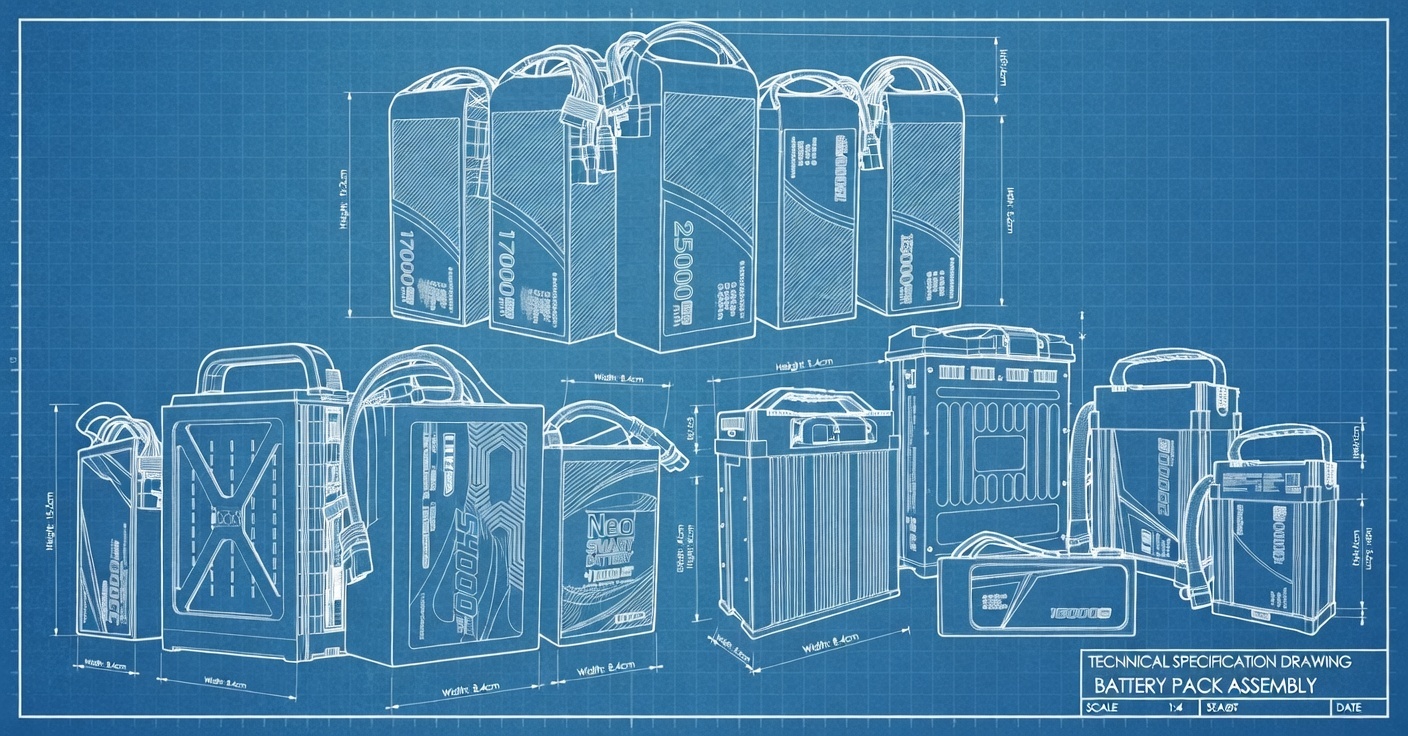
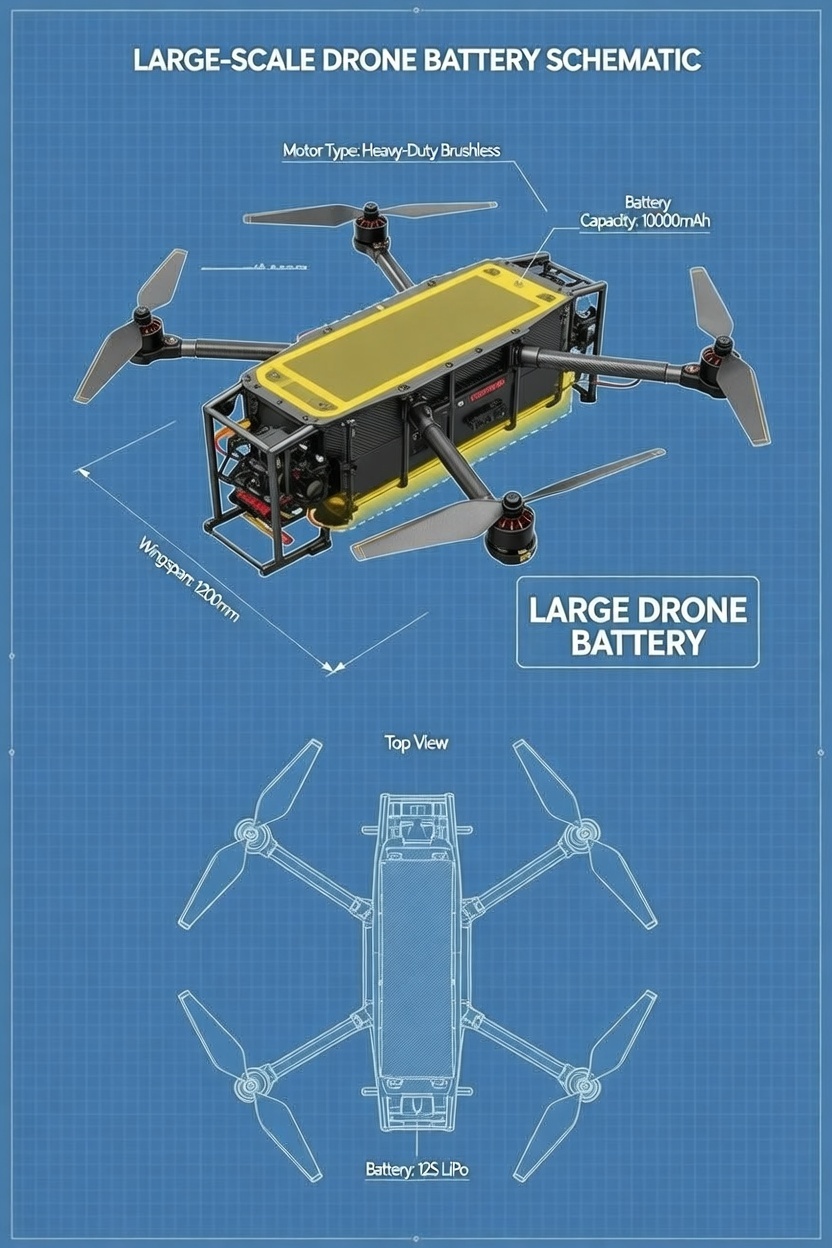
Instead of waiting for full failure, deploy modular batteries. CNS’s 300Wh high-altitude modules (designed for 500+ charge cycles) let you replace a single cell pack in <90 seconds. Data Point: Clients using this approach cut maintenance downtime by 52% during 12-hour relay missions.
3. Environmental Sealing Validation
Test connector seals under 3,000m pressure simulations. Standard O-rings fail at 6,500m; CNS’s aerospace-grade silicone seals withstand 10,000m. Action Step: Schedule monthly seal integrity checks using a vacuum tester—$200 investment prevents $15,000 in downtime.
4. Cell Balancing Optimization
For multi-battery setups, use CNS’s AI-driven balancing algorithm. It adjusts discharge rates across cells to prevent “weak link” failures. Result: 30% longer total runtime in UAVs operating above 7,000m.
Practical Maintenance Routines for High-Altitude Reliability
Implement these proven steps to keep your UAV power systems flying—no matter the elevation:
- Daily Pre-Flight Checklist:
✓ Verify BMS data logs for temperature anomalies
✓ Inspect connectors for dust (use compressed air, not water)
✓ Confirm battery voltage matches altitude-adjusted baseline - Weekly Deep Maintenance:
✓ Run a full thermal stress test (simulating 10,000ft conditions)
✓ Replace seals if pressure tolerance drops below 85%
✓ Update BMS firmware via CNS’s cloud platform - Monthly Strategic Review:
Analyze mission data to identify trends (e.g., “Drain rate spikes at 8,200ft”). Adjust battery specs proactively.
Real Client Result: A telecommunications firm using these routines saw a 78% drop in high-altitude power failures over six months—directly translating to 220+ hours of uninterrupted relay coverage.
Why Customization Is Non-Negotiable
Off-the-shelf drone batteries fail in high-altitude scenarios because they’re built for average conditions. Custom solutions address your specific altitude profile, payload weight, and environmental stressors. CNS’s engineering team collaborates with clients to:
- Tailor battery chemistry (e.g., low-temperature LiPo for Arctic deployments)
- Integrate waterproofing for humid mountain zones
- Optimize weight-to-capacity ratios for extended relay range
The Proof: In a 2025 pilot with a mountain rescue NGO, CNS’s custom 450Wh battery extended flight time by 37% at 9,500ft—enabling critical emergency communications during a snowstorm.
Conclusion: Turn Maintenance from a Cost to a Competitive Edge
High-altitude UAV power system failures aren’t inevitable—they’re preventable with the right approach. By prioritizing thermal management, modular design, and altitude-specific customization, you transform reactive fixes into proactive mission assurance. Remember:
- 68% of failures stem from preventable power issues (Drone Industry Insights, 2024).
- Custom drone batteries reduce downtime by up to 52% (CNS client data).
- Precision maintenance isn’t expensive—it’s an investment that pays for itself in mission reliability.
Don’t let altitude become your weakest link. CNS Battery’s B2B expertise in high-performance drone power systems is built to solve these exact challenges. We’ve helped clients in wind farm inspections, emergency comms, and agricultural monitoring achieve 99.2% operational uptime at extreme altitudes.
Ready to eliminate high-altitude power system headaches?
Get a free, no-obligation quote for custom drone batteries engineered for your mission profile. Our global team delivers tailored solutions backed by 15+ years of battery innovation.
👉 Get Your Custom Quote Now
Data encrypted. Unsubscribe anytime. 9 AM–6 PM, Mon–Fri (China Time).
Copyright © 2008–2026 HENAN CNS ENERGY TECHNOLOGY CO., LTD. ALL RIGHTS RESERVED