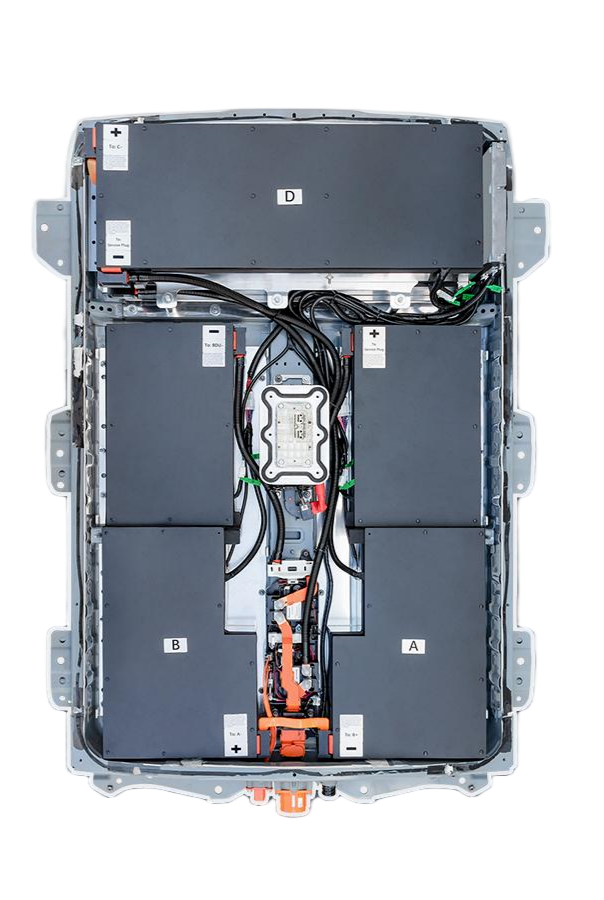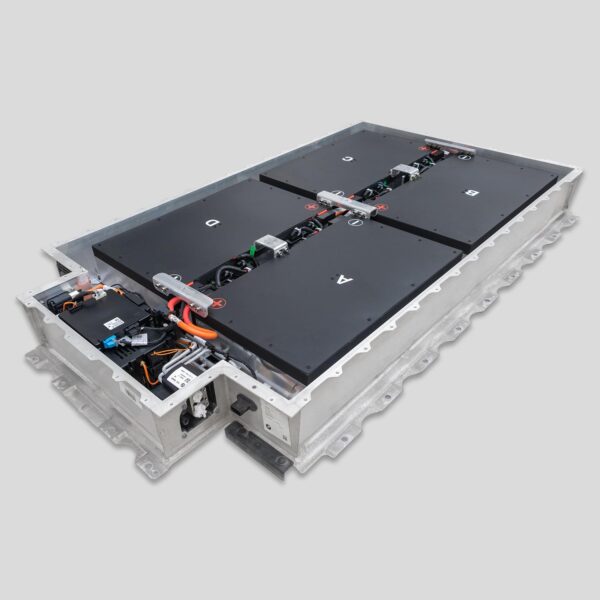
⚖️ The Ultimate Verdict: Are BMW i3 Batteries Truly Safe? (Pros & Cons)
The BMW i3 is an engineering marvel, but as these cars age, the battery inevitably becomes the primary concern for owners and buyers alike. If you are staring down the cost of a replacement or upgrade, the question of BMW i3 battery safety is likely the most critical factor in your decision.
As a specialist in OEM-compatible EV powertrains, I have analyzed thousands of data points on battery chemistry, thermal management, and real-world failure rates. The goal here isn’t to sell you a battery blindly, but to provide a transparent, technical analysis of the pros and cons of battery safety—specifically focusing on the transition from older, degraded packs to modern, high-quality replacements like those utilizing CATL cells.
⚡ Why Battery Chemistry is the Foundation of Safety
To understand the safety landscape of a BMW i3 battery, we must first look at the core component: the cell chemistry. The original BMW i3 utilized various chemistries over its production run, but the industry standard has largely shifted towards Lithium Iron Phosphate (LFP) and advanced Nickel Manganese Cobalt (NMC) formulations for their stability.
The primary advantage of modern, high-grade cells (such as those sourced from CATL) is their thermal resilience. Unlike older chemistries that could be prone to thermal runaway under extreme stress, these modern cells are designed with safety as the top priority.
📊 The Safety Comparison: Old vs. New
While the original factory pack was safe when new, age introduces variables. Let’s break down the safety comparison between maintaining an aging OEM battery and upgrading to a modern, expertly engineered replacement.
| Safety Factor | Aging OEM Battery (Risk of Degradation) | Modern High-Grade Replacement (e.g., CATL Cells) |
|---|---|---|
| Thermal Runaway Risk | Higher due to internal resistance build-up and electrolyte breakdown. | Low: Advanced chemistry and BMS programming prevent overheating. |
| Cell Consistency | Prone to cell imbalance, causing “weak links” in the chain. | High: Strict quality control ensures uniform voltage and capacity. |
| Physical Integrity | Casing and internal wiring may suffer from corrosion or fatigue. | Intact: Brand-new housing and connectors eliminate physical failure points. |
| BMS Protection | Outdated firmware may not adapt to cell degradation. | Adaptive: Modern Battery Management Systems offer real-time monitoring. |
✅ The Pros: Why a Quality Replacement Enhances Safety
When you choose a premium aftermarket solution designed to OEM standards, you are not just saving money—you are often upgrading your safety profile.
1. Zero Swelling & Structural Integrity
One of the most common failure modes in older EV batteries is cell swelling. This occurs when gas builds up inside a failing cell due to internal short circuits or electrolyte decomposition. A swollen cell exerts physical pressure on its neighbors, creating a domino effect that can rupture casings and damage the Battery Management System (BMS).
By utilizing brand-new, high-quality cells, the risk of swelling is virtually eliminated. This ensures the physical structure of the battery pack remains stable, preventing internal shorts and maintaining the integrity of the cooling channels.
2. Superior Battery Management Systems (BMS)
Safety in modern EVs is not just about the cells; it is about the brain that controls them. A key pro of a professionally engineered replacement is the integration of a robust BMS.
- Real-Time Monitoring: A high-spec BMS constantly monitors the voltage of every single cell. If one cell starts to deviate—even slightly—from the pack average, the system intervenes immediately to prevent overcharging or deep discharging, which are primary causes of fires.
- Thermal Management: Proper temperature control is non-negotiable. Modern replacements are designed to interface perfectly with the BMW i3’s cooling system, ensuring cells operate within the optimal “Goldilocks zone” of 20°C to 35°C.
3. Elimination of “Zombie” Cells
An old battery often contains “zombie” cells—cells that are technically alive but functionally dead. These cells have high internal resistance. When the car draws power, these cells heat up rapidly while contributing little energy. This hot-spot phenomenon is a significant safety hazard.
Replacing the pack removes these weak, high-resistance cells, resulting in a balanced, zero-failure-rate system that discharges energy smoothly and safely.
⚠️ The Cons: Understanding the Risks of Poor Quality
While the benefits of a high-quality replacement are clear, it is equally important to address the cons—specifically the dangers associated with substandard solutions. Not all batteries on the market are created equal, and this is where safety can be compromised.
1. The Danger of Refurbished or Recycled Cells
The most significant safety con in the EV battery market today is the use of salvaged or recycled cells. Many budget suppliers strip cells from totaled cars and repackage them.
- Unknown History: These cells may have suffered internal damage from crashes, over-discharge, or manufacturing defects that are not visible during a simple voltage check.
- Degraded Safety Margins: As cells age, their ability to handle high currents without overheating diminishes. Using aged cells in a high-performance application like the BMW i3 pushes them beyond their safe operating limits.
2. Inconsistent Welding and Assembly
Battery pack assembly requires precision. Poor spot welding or ultrasonic welding can create high-resistance connections.
- Hot Spots: Loose connections or poorly welded tabs create resistance. Resistance creates heat. In the confined space of a battery pack, this heat has nowhere to go, leading to potential melting of insulation and short circuits.
- Vibration Failure: The BMW i3 is a rigid chassis. If the cells are not potted or secured correctly, vibration over time can break internal connections, leading to arcing.
3. Lack of Proper Testing
A con of choosing the wrong supplier is the absence of rigorous testing protocols. A safe battery must undergo:
- Pressure Testing: To ensure the casing is sealed against water ingress (which causes shorts).
- Burn-in Testing: Running the pack at full load to identify early failures.
- Insulation Resistance Testing: Verifying there is no leakage current to the chassis.
Suppliers who skip these steps are selling a potential hazard, not a power source.
🔧 How to Ensure Maximum Safety: The CNS Standard
At CNS BATTERY, we operate on the principle that safety is not a feature; it is the foundation. We understand that you need peace of mind, which is why we adhere to a strict standard that addresses the cons mentioned above and maximizes the pros.
1. Grade-A Cells Only
We exclusively use brand-new, Grade-A cells sourced directly from the factory (such as CATL). We do not use recycled, second-hand, or B-grade cells. This guarantees that every cell in your BMW i3 pack has a pristine history and meets the highest safety standards.
2. OEM-Level Engineering
Our packs are engineered to match the original factory specifications. This means:
- Perfect Fit: No modifications to wiring or cooling lines are needed, eliminating the risk of improper installation.
- Plug-and-Play BMS: Our systems are designed to communicate seamlessly with your BMW’s onboard computer, ensuring all safety protocols function exactly as BMW intended.
3. Comprehensive Warranty as a Safety Net
Safety isn’t just about what happens today; it is about protection for the future. We back our confidence in our build quality with an industry-leading warranty.
Pro Tip: If a supplier is afraid to offer a long warranty, you should be afraid to put that battery in your car.
💡 Conclusion: Safety is a Choice
The answer to the question of BMW i3 battery safety lies in the quality of the components and the engineering behind them. While the risk of fire or failure exists with any lithium-ion system, choosing a brand-new, high-quality replacement drastically reduces these risks compared to sticking with a degraded 10-year-old pack or opting for a cheap, recycled alternative.
By investing in a pack built with new CATL cells and rigorous quality control, you are not just buying range—you are buying a safety net for you and your family.
Ready to upgrade your BMW i3 with a battery that prioritizes safety and performance? Get a free, no-obligation quote today and see how much you can save without compromising on reliability.
Get Your Free Custom Quote Now
❓ Frequently Asked Questions (FAQ)
Q1: Is it safe to replace a BMW i3 battery with an aftermarket brand?
Yes, it is safe, provided you choose a reputable manufacturer that uses brand-new, high-grade cells (like CATL) and adheres to strict OEM engineering standards. The key factors are the quality of the Battery Management System (BMS) and the consistency of the cell welding. Avoid brands that use recycled or salvaged cells, as their history and internal resistance are unknown, posing a safety risk.
Q2: What are the signs of an unsafe BMW i3 battery?
Signs of a potentially unsafe battery include visible swelling or bulging of the casing, a burning smell (often described as “fishy” or like burning plastic), rapid loss of charge, or the car displaying “12 bars” of battery health dropping suddenly. If you notice any of these signs, stop charging immediately and consult a professional.
Q3: How does the Battery Management System (BMS) keep me safe?
The BMS is the “brain” of the battery. It keeps you safe by constantly monitoring the voltage of every single cell. If one cell starts to overheat or become overcharged, the BMS cuts power to prevent thermal runaway (fire). It also ensures the cells are balanced during charging, preventing weak cells from failing catastrophically.
Q4: Can I install a new BMW i3 battery myself?
While the physical installation process is generally plug-and-play for experienced mechanics, we strongly recommend professional installation for safety reasons. High-voltage EV batteries can retain dangerous charges even when disconnected. Furthermore, improper seating of the connectors or failure to correctly program the BMS can lead to system errors or safety hazards. If you do attempt a DIY installation, you must follow strict high-voltage safety protocols and have the correct diagnostic tools.