Must-Have Features for BMW i3 Battery Sustainability
The BMW i3 stands as a revolutionary icon in the electric vehicle (EV) market, blending urban agility with zero-emission driving. However, as these unique cars age, owners face a critical challenge: battery degradation. For many, the cost of an Original Equipment Manufacturer (OEM) replacement is prohibitively expensive. This has led savvy drivers to explore the aftermarket. But not all replacement batteries are created equal.
When upgrading or replacing your BMW i3 battery, sustainability is the key to long-term ownership satisfaction. A sustainable battery isn’t just about eco-friendliness; it’s about durability, safety, and maintaining range over time. This guide details the essential features you must look for to ensure your BMW i3 remains a reliable daily driver for years to come.
1. The Foundation: Brand-New Battery Cells
The heart of any EV battery pack is the cell chemistry. The most critical feature for sustainability is the use of brand-new, high-quality cells.
- Avoiding the Refurbished Trap: Many budget options on the market utilize recycled or refurbished cells from other degraded packs. While this might seem eco-friendly, it is the antithesis of sustainability for your vehicle. These cells have already undergone significant charge cycles, meaning their lifespan is drastically shortened. You risk facing another replacement in as little as six months to a year, leading to more waste and higher long-term costs.
- The CATL Standard: For the BMW i3, the gold standard for sustainability is the use of brand-new CATL (Contemporary Amperex Technology Co. Limited) cells. CATL is a global leader in lithium-ion technology, renowned for safety and longevity. New CATL cells ensure you start with 100% health, providing a stable foundation for your battery’s second life.
2. Precision Engineering: OEM Compatibility
A sustainable battery solution must integrate seamlessly with your BMW i3’s existing systems. This requires strict adherence to OEM standards.
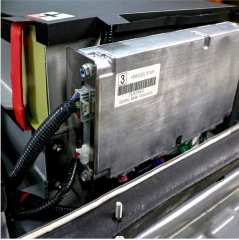
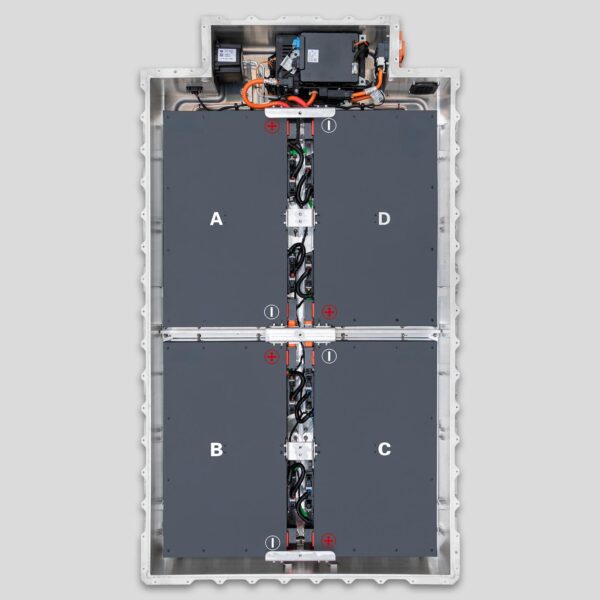
- Physical and Electrical Fit: The battery pack must be a direct drop-in replacement. This means the dimensions, mounting points, and connector interfaces must match the original factory specifications. A sustainable solution avoids the need for “hacking” wires or modifying the chassis, which can compromise safety and structural integrity.
- BMS Integration: The Battery Management System (BMS) is the brain of the battery. A sustainable aftermarket battery must feature a BMS that is fully compatible with the BMW i3’s vehicle management system. This ensures that the car recognizes the battery without errors, allowing for accurate State of Charge (SOC) readings and seamless communication between the car and the battery.
3. Thermal Management: The Key to Longevity
Heat is the enemy of lithium-ion batteries. A feature often overlooked in cheaper alternatives is the thermal management system.
- Consistent Performance: A sustainable battery design includes efficient thermal pathways and insulation that matches the OEM design. This ensures that the cells operate within their optimal temperature range, even during fast charging or highway driving in summer.
- Preventing Degradation: Effective thermal management prevents “thermal runaway” and reduces the rate of chemical degradation. This is crucial for the BMW i3, as maintaining a cool battery pack directly translates to a longer service life and sustained range over the years.
4. Robust Warranty: Proof of Confidence
A warranty is not just a piece of paper; it is the manufacturer’s promise of sustainability.
- Long-Term Coverage: A truly sustainable product comes with a long-term warranty. While many refurbished or low-quality packs offer minimal or no warranty, a reliable manufacturer stands behind their product with coverage that matches or exceeds industry standards.
- Mileage Protection: Look for warranties that are measured in both time and mileage (e.g., 2 years or 80,000 km). This indicates that the manufacturer has tested the battery for endurance and is confident it can withstand the rigors of daily driving.
5. Safety Certifications and Construction
Sustainability cannot exist without safety. A battery that risks fire or failure is not a sustainable solution.
- Structural Integrity: The battery casing must be robust, offering protection against vibration and impact. Sustainable construction also includes features like fumigation-free wooden crates for shipping, ensuring the battery arrives undamaged and ready for a long life.
- Certified Components: Ensure that the battery pack utilizes components that meet international safety standards. This includes protection against short circuits, overcharging, and physical damage during installation.
Why Choose a Sustainable Upgrade?
Upgrading your BMW i3 with a sustainable, high-quality battery is an investment in the future. It allows you to extend the life of a vehicle that was ahead of its time, reducing the environmental impact of manufacturing a new car. By choosing a solution built with new CATL cells, OEM precision, and a solid warranty, you are not just buying a battery; you are securing the continued performance and reliability of your BMW i3.
Don’t settle for a short-term fix that will leave you stranded and searching for another solution next year. Choose sustainability. Choose reliability.
Frequently Asked Questions (FAQ)
Q1: How much does a sustainable BMW i3 battery replacement cost? A: The cost varies depending on the capacity (kWh) and the quality of the cells. A sustainable solution using brand-new CATL cells typically costs significantly less than a dealership replacement—often saving you 50% or more—while providing a lifespan far superior to cheaper, refurbished alternatives.
Q2: Can I install the battery myself? A: Yes, many sustainable BMW i3 battery solutions are designed for “plug-and-play” installation, meaning they fit directly into the existing mounts and connectors. However, due to the high voltage and weight of the pack, we strongly recommend having the installation performed by a certified technician to ensure safety and avoid voiding the warranty. Most professional installations take approximately 1-2 hours.
Q3: How do I know if the battery is compatible with my specific BMW i3 model? A: Compatibility depends on the model year and the specific battery configuration (e.g., 45kWh, 50kWh, or 62kWh). To ensure a perfect fit, you should provide your Vehicle Identification Number (VIN) to the supplier. This allows them to verify the exact specifications required for your vehicle and confirm that the BMS and connectors will integrate seamlessly with your car’s software.
Q4: What kind of range can I expect after installing a new sustainable battery? A: With a brand-new, high-quality battery pack, you can expect to regain the original range specifications of your BMW i3 model. For example, a 45kWh pack should restore the range to approximately 290km (depending on driving conditions), which is a significant improvement over a degraded original battery that might have dropped to 180km or less.
Ready to restore your BMW i3 to its full potential with a sustainable, high-performance battery? Contact our technical experts now for a free customization quote and compatibility assessment.