Here is the SEO-optimized article tailored for your requirements.
Must-Have Features for BMW i3 Battery Diagnostic & Health Check
If you own a BMW i3, you know that the battery isn’t just a component; it’s the heart of the vehicle. As these cars age, maintaining optimal battery health becomes the primary challenge for owners. Unlike a standard combustion engine, you can’t just “listen” to an EV battery to diagnose issues. When your dashboard throws a code, or the range drops unexpectedly, you need precise data, not guesswork.
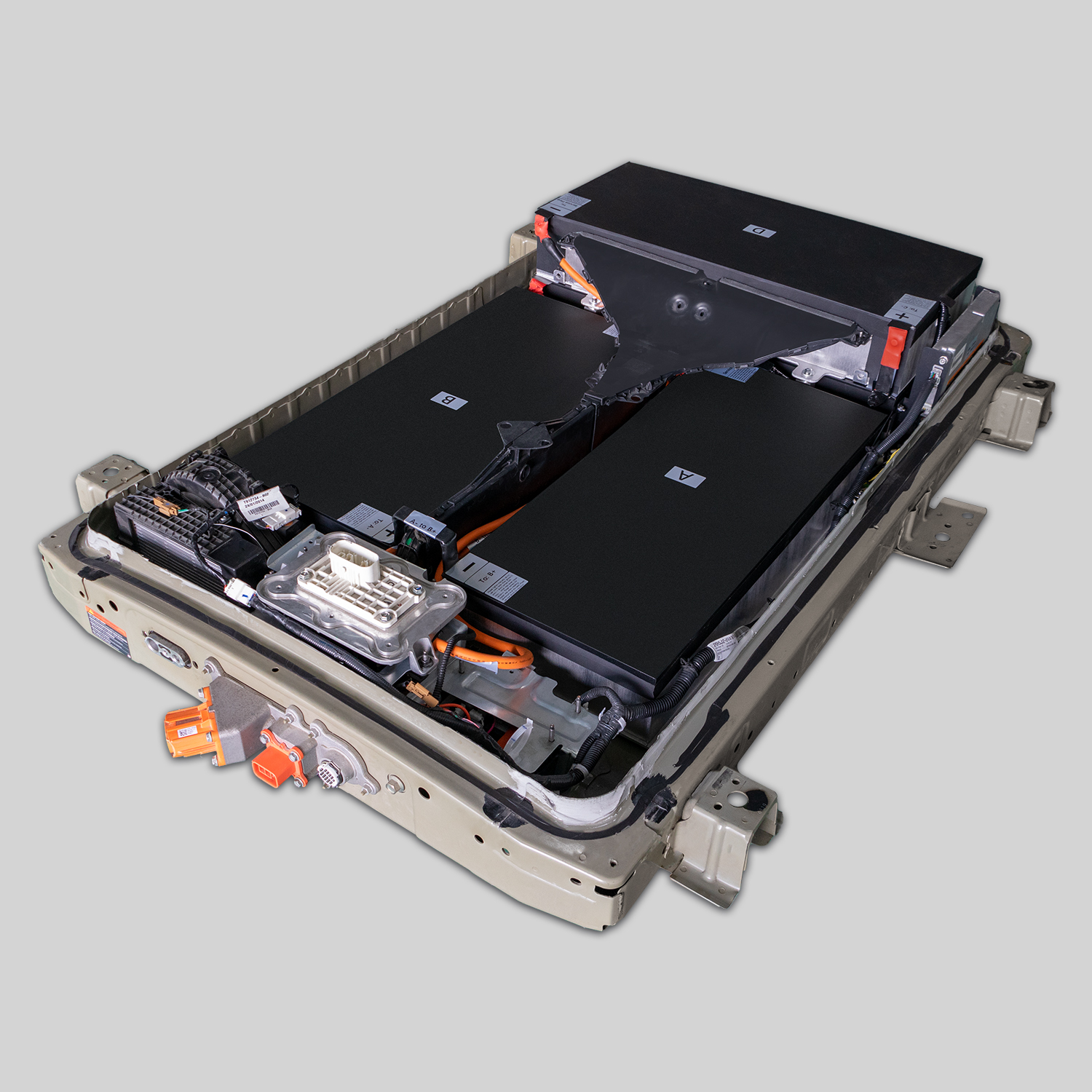
At CNS BATTERY, we specialize in providing OEM-compatible power solutions for the BMW i3. Having supported thousands of conversions and replacements, we understand that a successful repair or upgrade relies entirely on accurate diagnostics. To help you navigate this technical terrain, we have compiled the essential diagnostic features every BMW i3 owner (or mechanic) must look for when assessing a battery.
1. Deep BMS Communication: Beyond the Dashboard
The first and most critical feature is the ability to communicate with the Battery Management System (BMS). A standard OBD2 scanner from an auto parts store is usually insufficient for the BMW i3. You need a diagnostic tool capable of “deep diving” into the BMS.
- Why it matters: The BMS controls the charging, discharging, and safety of the battery. If your tool cannot read the BMS logs, you are effectively blind to cell voltage imbalances, temperature sensor failures, or contactor issues.
- The CNS Standard: Our replacement battery packs are engineered with BMS protocols that are fully compatible with standard BMW diagnostic software (like ISTA or third-party tools such as Autel or Foxwell NT650 Elite). We ensure that the handshake between the battery and the vehicle’s computer is seamless, allowing for accurate fault code reading and clearing.
2. Real-Time Cell Voltage Monitoring
One of the most common failure points in an aging BMW i3 battery is cell degradation. A healthy battery has cells that operate within a tight voltage window. When cells start to degrade, their voltage sags under load.
- The Must-Have Feature: The ability to view the voltage of individual modules or cells in real-time, rather than just an aggregate pack voltage.
- What to look for: Diagnostic software that displays a “voltage bar graph.” If one bar is significantly lower than the others, that indicates a weak or failing module.
- CNS Expert Insight: When we manufacture our i3 batteries, we rigorously test each CATL cell to ensure voltage consistency. During diagnostics, if you see a perfectly flat voltage graph across all modules, you know you have a healthy, balanced pack—just like the ones we provide.
3. Temperature Sensor Diagnostics
The BMW i3 battery relies heavily on its thermal management system. The i3 uses a specific thermal paste and cooling plate design to manage heat. If a temperature sensor fails or reads incorrectly, the car may restrict power (limp mode) or refuse to charge.
- Critical Check: Your diagnostic tool must display live data from all temperature sensors (typically located at various points within the battery enclosure).
- Red Flag: If one sensor reads significantly hotter or colder than the ambient temperature while the car is off, it indicates a sensor fault or a potential hotspot within the pack.
- Our Assurance: CNS batteries are built with redundant temperature monitoring. Our diagnostics show that our thermal paste application is uniform, ensuring that all sensors read accurately, preventing false overheating warnings.
4. State of Health (SOH) & State of Charge (SOC) Accuracy
“Ghost charging” or inaccurate range estimation is a frustrating problem for BMW i3 owners. This is almost always a symptom of BMS calibration issues or inaccurate SOC/SOH readings.
- The Diagnostic Test: You need software that can display the raw State of Health percentage.
- SOH < 70%: The battery is nearing the end of its life and likely needs refurbishment or replacement.
- SOC Jumps: If the charge percentage jumps from 80% to 100% instantly, the BMS needs recalibration.
- The CNS Advantage: Our batteries come with the BMS pre-calibrated. When you run a diagnostic on a CNS i3 battery, you will see a SOH of 100% and a SOC that climbs linearly, providing the driver with absolute confidence in the displayed range.
5. Error Code History & Freeze Frame Data
Sometimes, a fault is intermittent. The car might throw a code, then clear it, leaving you puzzled.
- The Feature: Freeze frame data captures the exact conditions (voltage, temperature, current) at the moment a fault occurred.
- Why it is vital: This historical data is crucial for diagnosing “phantom” faults that are hard to replicate in a workshop.
Why Trust CNS BATTERY for Your BMW i3 Solution?
At CNS, we don’t just sell batteries; we provide data-driven power solutions. Our expertise is built on a decade of R&D in lithium-ion technology.
Peace of Mind Guarantee: We back our engineering with a market-leading 2-year / 80,000 km warranty. Unlike other suppliers who offer vague coverage, our warranty covers defects in materials and workmanship, and we guarantee the battery maintains high performance throughout the warranty period.
OEM Quality, Half the Price: Using brand-new CATL cells, our batteries match the original factory standards for safety and durability but cost 50% less than dealership replacements. We eliminate the markup while keeping the quality.
Expert Support: We understand that diagnostics can be complex. That is why we offer lifetime technical support. Whether you are a DIY enthusiast or a professional mechanic, our engineers are ready to guide you through the diagnostic process to ensure a perfect installation.
Don’t let a battery fault leave you stranded. Get a solution that speaks the same language as your BMW.
Get Your Free Custom Quote Now
Frequently Asked Questions (FAQ)
Q1: What specific tools do I need to diagnose a BMW i3 battery? For basic diagnostics, a Foxwell NT650 Elite or Autel MaxiCOM scanner is sufficient. For in-depth BMS analysis (reading individual cell voltages), you typically need ISTA (Integrated Service Technical Application) software used by dealerships, or specific third-party BMS readers. Our technical team can assist with interpreting these complex logs.
Q2: Can I diagnose the battery myself before buying a new one? Yes, but it requires the right tools. You can check the overall health using an OBD2 reader that supports BMW EVs. Look for the “Battery State of Health” parameter. If it is below 70%, or if you see error codes related to “Cell Imbalance” or “High Voltage,” a replacement is likely necessary.
Q3: What is the price difference between a CNS battery and a BMW dealership replacement? Dealership replacements often cost over $15,000 USD. At CNS, we offer brand-new, CATL-cell batteries starting at approximately half that price, providing significant savings without compromising on safety or compatibility.
Q4: How long does a CNS BMW i3 battery installation take? For a professional technician, installation typically takes 1-2 hours. We provide step-by-step installation videos and, if needed, our customer service team offers video call guidance to walk you through the process.
Q5: Do you offer international shipping? Yes, we support international sales to over 50 countries. We handle customs compliance and offer DDP (Delivered Duty Paid) service for most regions, ensuring your battery arrives at your door without unexpected fees.