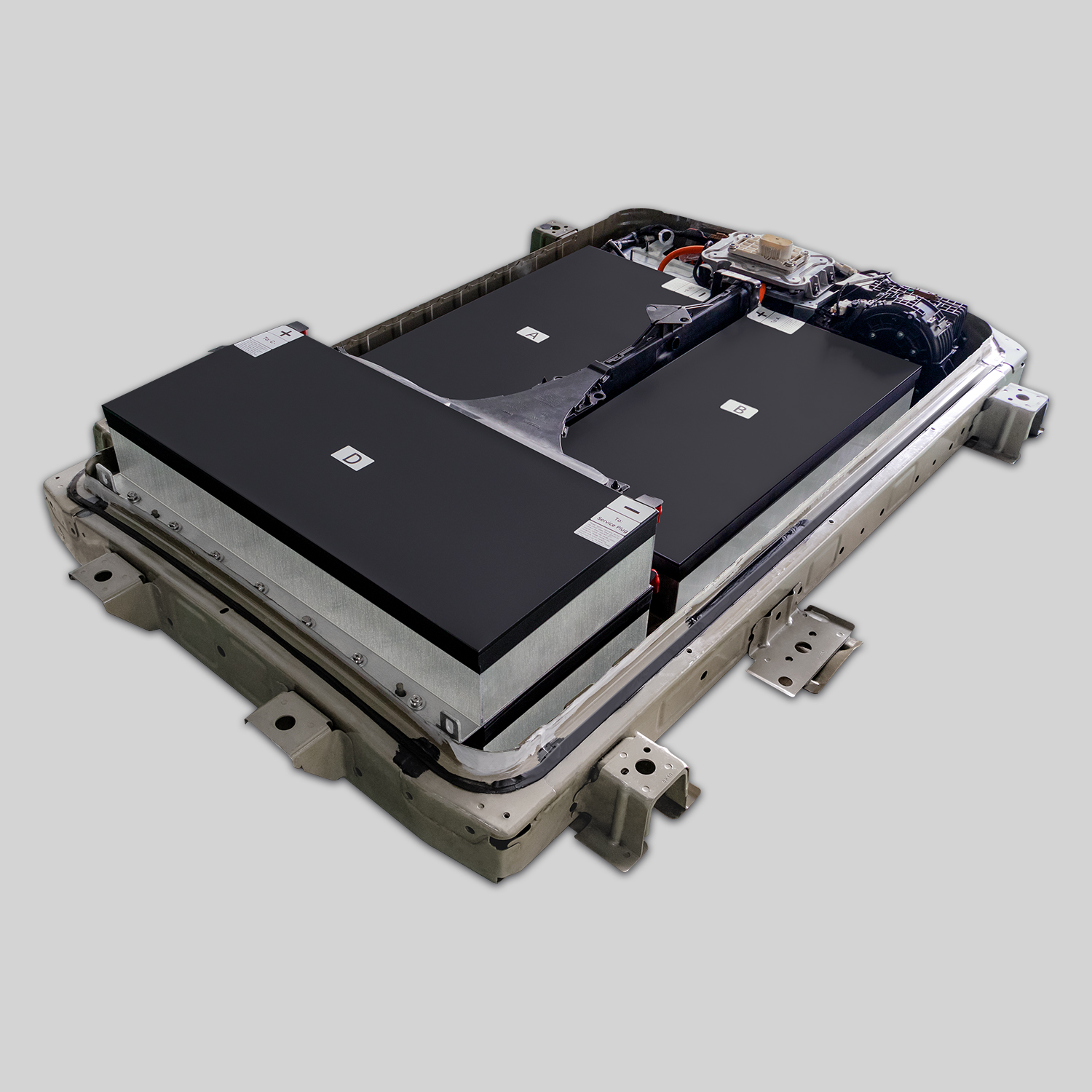
Key Factors in BMW i3 Battery Replacement Selection
If you are the proud owner of a BMW i3, you know that the battery is the heart of your driving experience. However, as the vehicle ages, the original battery inevitably faces degradation, leading to a significant drop in range and performance. The anxiety of facing a “dead” battery and the sticker shock of dealership replacement costs often leave owners feeling trapped. This comprehensive guide is designed to empower you with the knowledge to make an informed decision. We will walk you through the critical factors in selecting a replacement battery, ensuring you get the best value, performance, and peace of mind for your beloved electric vehicle.
The Cost vs. Quality Dilemma
When searching for a solution, the first hurdle you encounter is the price. Official Original Equipment Manufacturer (OEM) batteries are notorious for carrying a hefty premium, often exceeding $15,000 USD. On the flip side, the market is flooded with “cheap” refurbished options that seem tempting but carry significant risks.
Why Refurbished Batteries Are a Risky Bet While refurbishing sounds eco-friendly, many low-cost refurbishers use recycled cells from already degraded packs. These cells have a drastically shortened lifespan, leading to problems like swelling, sudden power failure, and rapid capacity drop. You might save money upfront, but you are likely buying a problem that will cost you more in repairs and replacements down the line.
The Smart Alternative: New Aftermarket Cells The ideal solution lies in the middle: brand-new battery cells manufactured by top-tier suppliers like CATL. Unlike refurbished junk, new cells guarantee top-tier performance, safety, and a lifespan that matches or exceeds the original factory standards. You get the quality you need without the brand premium, often saving over 50% compared to the dealership.
Decoding the Technical Specifications
Selecting the right battery isn’t just about price; it is about technical compatibility. To ensure your BMW i3 runs flawlessly, you must verify the following specifications with your supplier:
- Voltage and Capacity (kWh): The i3 has seen various iterations, from the early 60Ah models to the later 94Ah and 120Ah packs. You must match the Voltage and kWh rating (e.g., 45kWh, 62kWh) precisely to your vehicle’s specifications.
- Interface Matching: The physical connectors and communication protocols must be OEM-compatible. A mismatch here can lead to communication errors or even damage to the Battery Management System (BMS).
- Battery Management System (BMS): This is the brain of the battery. A high-quality replacement must include a robust BMS that integrates seamlessly with the BMW’s onboard computer to prevent overheating and manage charging cycles effectively.
The Importance of Warranty and Support
One of the most overlooked factors is the warranty. Dealerships often offer standard warranties, but many aftermarket suppliers offer little to no protection.
What to Look For: A reputable supplier should offer a warranty that covers defects in materials and workmanship. Look for comprehensive policies that include prorated coverage for performance degradation. For instance, a warranty that guarantees the battery maintains at least 70% capacity over a specific period (e.g., 2 years or 80,000 km) demonstrates the manufacturer’s confidence in their product.
Furthermore, technical support is crucial, especially if you are a DIY installer. Ensure the supplier offers accessible support via phone, email, or even remote video guidance to assist with BMS programming or installation hiccups.
Real-World Performance: Case Studies
To illustrate the impact of a proper replacement, let’s look at real-world scenarios:
- The Long-Distance Commuter: A user in Germany replaced their degraded i3 battery with a new 45kWh pack. The result? The range increased from a struggling 180km back to a reliable 290km, allowing them to commute without anxiety. The best part? They saved thousands compared to the official quote.
- The DIY Enthusiast: Another owner, hesitant about the complexity, was guided remotely by customer support. With step-by-step video assistance, they successfully installed the battery themselves, saving on labor costs while gaining the confidence of a perfect fit.
Making the Right Choice for Your i3
Replacing the battery in your BMW i3 is a significant investment in your vehicle’s future. By prioritizing brand-new cells over refurbished junk, verifying technical compatibility, and securing a solid warranty, you can extend the life of your car for thousands of additional miles.
Do not let the fear of high costs or poor quality deter you. Explore the options available that offer the perfect balance of performance and value.
Ready to revive your BMW i3? Get a free, no-obligation quote today and see how much you can save.
Frequently Asked Questions (FAQ)
1. How much does it cost to replace a BMW i3 battery? The cost varies significantly based on the source. Dealership replacements can cost upwards of $15,000. However, by opting for a high-quality aftermarket solution using new cells, you can typically save over 50%, bringing the cost down significantly while maintaining excellent performance.
2. Is it worth replacing the battery in a BMW i3? Absolutely. If the rest of the vehicle is in good condition, replacing the battery with a new, high-capacity pack can effectively “reset” the car’s age. It transforms a vehicle with limited range back into a reliable daily driver, often at a fraction of the cost of buying a new electric car.
3. Can I install the battery myself? Yes, many owners successfully perform DIY installations. The process typically takes 1-2 hours for someone with basic mechanical skills. Reputable suppliers provide detailed installation videos and manuals. However, if you are not comfortable, it is always recommended to use a certified mechanic to avoid warranty issues.
4. What is the lifespan of a replacement BMW i3 battery? A replacement battery made with brand-new, high-quality cells (such as those from CATL) should have a lifespan comparable to the original OEM battery. With proper maintenance and a robust BMS, you can expect many years of reliable service and thousands of charge cycles.
5. How do I know if a battery is compatible with my BMW i3 model? Compatibility is determined by matching the Voltage, Capacity (kWh), and physical connectors to your specific model year. The best way to confirm is to provide your Vehicle Identification Number (VIN) to the supplier’s technical team for a free compatibility assessment before purchasing.