Expert Insights on BMW i3 Battery Charging: Maximizing Longevity & Performance
Owning a BMW i3 is a unique driving experience. Whether you have the compact Range Extender (REx) model or the all-electric variant, one of the most critical aspects of ownership is maintaining the health of your high-voltage battery. As an expert at CNS BATTERY, I often get asked: “How do I charge my BMW i3 to make the battery last as long as possible?”
While the i3 is a marvel of engineering, battery degradation is a reality for all electric vehicles. If you are experiencing reduced range or are looking to upgrade to a brand-new, high-performance solution, this guide provides the technical insights you need.
Understanding the BMW i3 Battery Chemistry
To charge effectively, you must first understand the chemistry. Most BMW i3 models utilize Lithium-ion (Li-ion) battery packs. Unlike the old Nickel-Cadmium (NiCad) batteries, Li-ion batteries do not have a “memory effect.” This means you do not need to wait for the battery to die before recharging.
However, Li-ion chemistry is sensitive to two extremes:
- Deep Discharge: Allowing the battery to sit at 0% for extended periods.
- High Voltage Stress: Keeping the battery at 100% State of Charge (SoC) for days on end.
BMW’s onboard systems are intelligent and prevent you from hitting the absolute 0% or 100% physical limits. However, for long-term health, we recommend keeping your daily driving range between 20% and 80%.
The Ideal Charging Strategy
For the average BMW i3 owner, the goal is to minimize stress on the battery cells. Here is the strategy we recommend to our clients at CNS BATTERY:
- Daily Driving: Set your charging limit to 80-85%. This “buffer zone” protects the cells from high-voltage wear, which accelerates degradation.
- Long Trips: Only charge to 100% when you need the maximum range for a road trip. Once you arrive, try to discharge it back to the 80% range as soon as possible.
- Avoid the “Deep Cycle”: Try not to let your battery drop below 10% regularly. While the car will protect itself, consistently running on fumes (or electrons) strains the Battery Management System (BMS).
Pro Tip: If you are leaving your i3 parked for more than two weeks, charge it to approximately 60%. This is the “sweet spot” for long-term storage, minimizing chemical stress.
AC vs. DC Charging: What’s Best for Your i3?
There is a common misconception that DC Fast Charging is inherently bad for batteries. While it is true that rapid charging generates more heat (the enemy of batteries), modern EVs, including the i3, have robust thermal management systems.
Here is the breakdown:
| Charging Type | Speed | Impact on Battery | Best Use Case |
|---|---|---|---|
| AC Charging (Wallbox/Socket) | Slow (3.7kW – 7kW) | Low Impact | Nightly charging at home; the gentlest method. |
| DC Fast Charging (50kW+) | Fast | Moderate Impact | Long-distance travel; unavoidable for road trips. |
Expert Insight: While DC charging is convenient, AC charging is the gold standard for daily use. It is gentler on the cells and puts less strain on the battery’s internal resistance. If you have access to a home wallbox, use it for 95% of your charging needs.
When to Consider a Battery Replacement or Upgrade
Even with perfect charging habits, batteries degrade over time. If you notice your range dropping significantly below 70% of its original capacity, it might be time to consider a replacement.
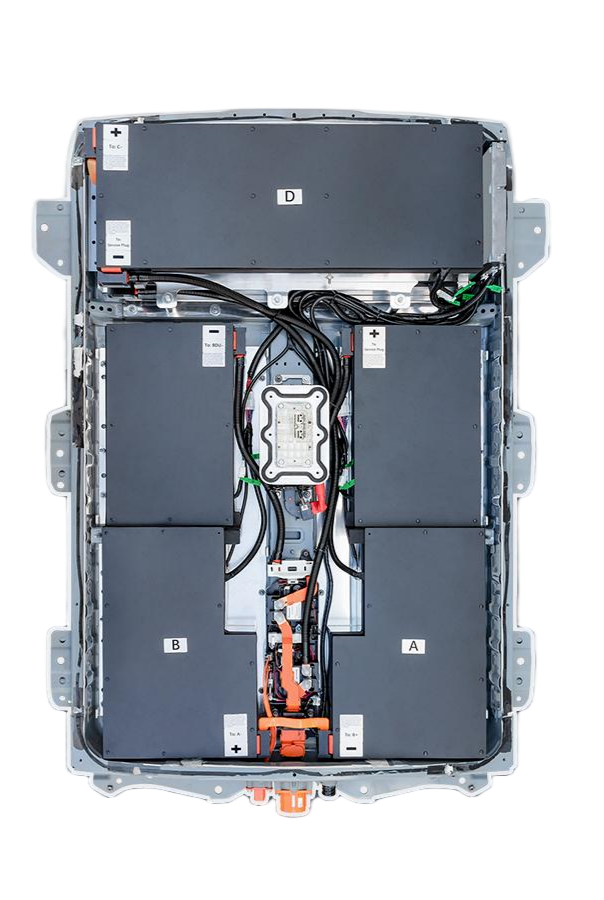
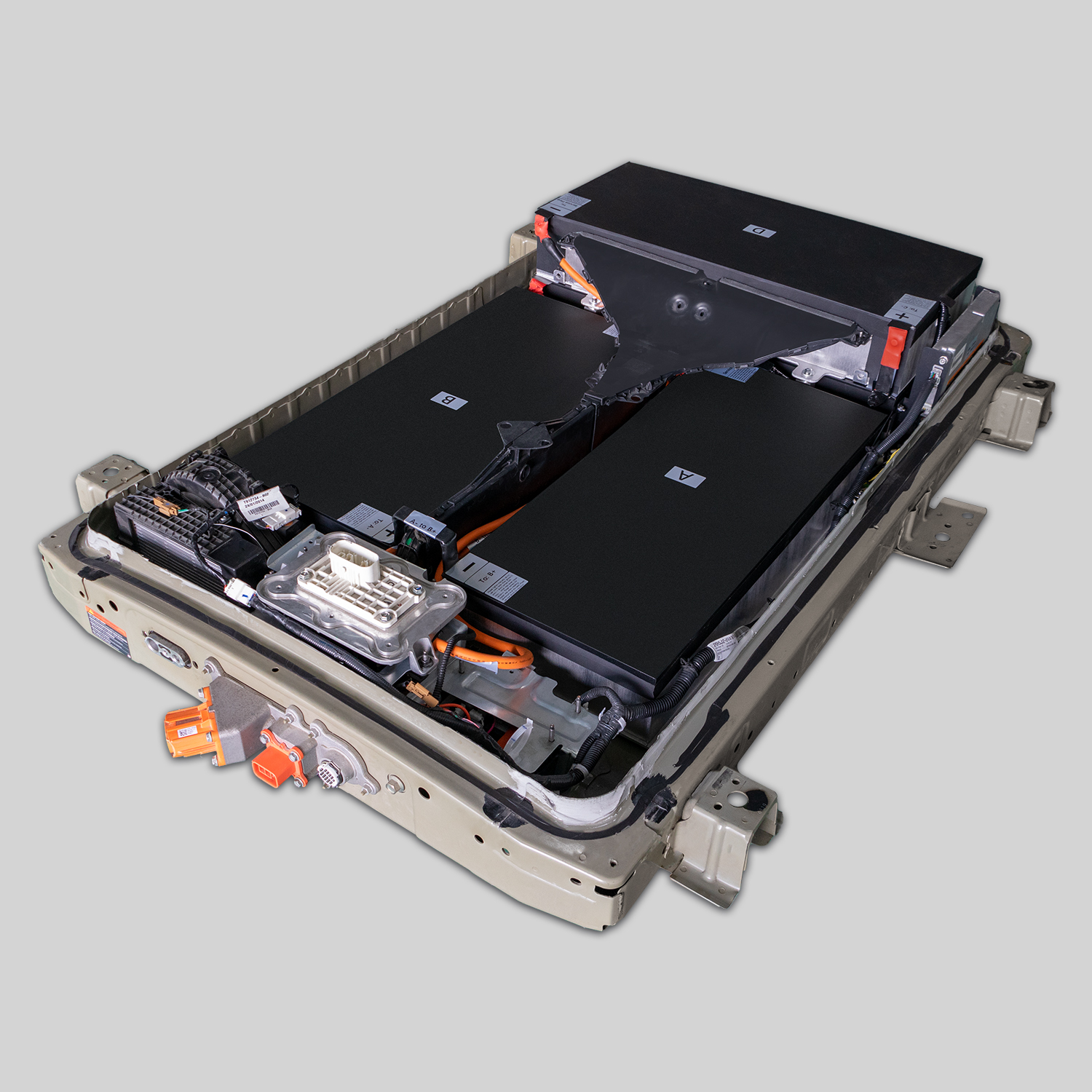
At CNS BATTERY, we specialize in providing OEM-compatible battery solutions for the BMW i3 series. We understand that replacing a battery with a brand-new OEM unit can be prohibitively expensive. That is why we offer a superior alternative.
Why choose a CNS BATTERY replacement?
- Brand-New CATL Cells: We utilize brand-new, premium battery cells from CATL (Contemporary Amperex Technology Co. Limited), one of the world’s leading lithium-ion battery manufacturers. Unlike refurbished or recycled packs, our batteries are built from the ground up with fresh technology.
- Cost Efficiency: Our solutions save you over 50% compared to original manufacturer prices, without sacrificing performance.
- Extended Warranty: We back our confidence in quality with a robust 2-year / 80,000 km warranty. This covers manufacturing defects and ensures your battery maintains at least 70% capacity during the warranty period—a standard that often exceeds OEM offerings.
Real-World Performance: What to Expect
Our clients often report that upgrading to a CNS BATTERY pack feels like driving a brand-new car again. Because we use state-of-the-art cells, you may even notice improved charging efficiency compared to an aging OEM pack.
- Plug-and-Play Design: Our batteries are engineered to fit the BMW i3 chassis perfectly. There is no need for modifications; the connectors and BMS are designed for seamless integration.
- Range Restoration: Whether you have a 45kWh, 50kWh, or 62kWh model, our packs are designed to restore your vehicle to its original (or upgraded) range specifications.
Frequently Asked Questions (FAQ)
Q1: Can I leave my BMW i3 plugged in overnight?
A: Yes, it is perfectly safe. Modern EVs, including the BMW i3, are designed to stop charging once they reach the set limit (e.g., 80% or 100%). The car enters a “trickle charge” or maintenance mode to keep the battery at that level without overcharging it. However, for longevity, we still recommend setting the limit to 80% for daily use.
Q2: Is it bad to always use DC Fast Charging?
A: While not ideal, occasional DC charging will not destroy your battery. However, if you rely on it for your daily commute, the cumulative heat stress can accelerate degradation. We recommend using DC charging only when necessary and relying on AC charging at home or work for regular top-ups.
Q3: How do I know if my BMW i3 battery needs replacing?
A: The most obvious sign is a significant drop in range. If your “bars” or state of health (SOH) drop below 70%, or if you experience frequent “limp mode” warnings, it is time to look for a replacement. A professional diagnostic scan can confirm the health of your individual modules.
Q4: Are CNS BATTERY packs compatible with my specific BMW i3 model?
A: Absolutely. We offer tailored solutions for the BMW i3 Series, including specific packs for the 45kWh, 50kWh, and 62kWh variants. Our pre-sales team performs a free compatibility check (using your VIN if needed) to ensure a perfect match before you purchase.
Ready to Restore Your BMW i3’s Performance?
Charging correctly is the first step, but if your battery is already degraded, no amount of careful charging will bring back the lost range. Investing in a high-quality replacement is the key to unlocking your BMW i3’s full potential again.
Don’t let battery anxiety limit your driving. Explore our range of BMW i3 lithium battery packs designed for maximum safety, range, and value.
Get a Free Custom Quote for your BMW i3 today and experience the difference a brand-new, premium battery can make.