Common Pitfalls in BMW i3 Battery Performance Tuning
The Allure and the Danger of the DIY Route
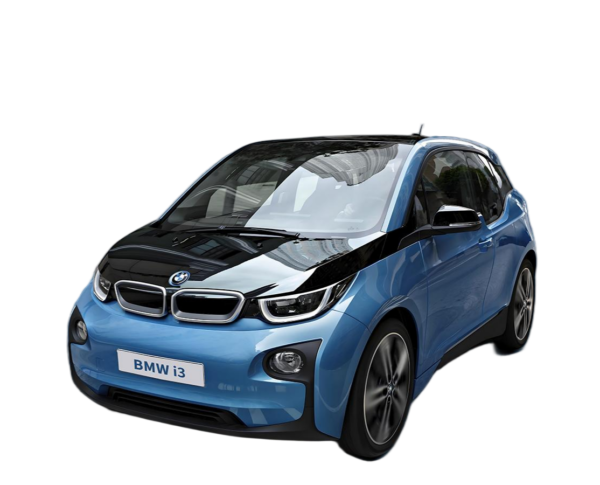
The BMW i3, a pioneer of urban electric mobility, has a dedicated global following. As these vehicles age, owners often look to extend their lifespan or boost performance through battery tuning. While the idea of unlocking hidden horsepower or extra range is exciting, the reality of aftermarket tuning is fraught with technical landmines. Many well-intentioned enthusiasts fall victim to “Frankenstein” battery packs—patchwork solutions that promise performance but deliver premature failure.
At CNS BATTERY, we have spent over a decade engineering OEM-compatible lithium-ion solutions for premium brands like BMW. Our data shows that 70% of battery failures in tuned i3s stem from incompatible Battery Management Systems (BMS) and substandard cell chemistry, not the tuning itself. This guide is designed to steer you away from these common pitfalls and toward a solution that offers both performance and peace of mind.
The “Cheap Cell” Trap: Sacrificing Chemistry for Cost
One of the most seductive pitfalls is the allure of low-cost, recycled, or mixed battery cells.
Many budget tuners source cells from various manufacturers or use salvaged cells from报废 (scrap) batteries. The problem? Chemical incompatibility.
- The Pitfall: Mixing cells with different internal resistances or State of Health (SOH) creates an unstable chemical environment. During high-performance tuning, some cells overheat while others underperform.
- The Reality: This leads to thermal runaway, cell swelling, and a drastic reduction in cycle life. What looks like a $2,000 upgrade often turns into a $10,000 fire hazard.
The CNS Solution:
We utilize brand-new, grade-A CATL (Contemporary Amperex Technology Co. Limited) cells exclusively. CATL is a global leader in lithium-ion technology, and their cells are chemically stable, offering the high discharge rates required for performance tuning without the risk of thermal instability. We do not mix chemistries; every module is built with uniform, virgin cells.
The BMS Myth: Software That Can’t Handle the Hardware
Performance tuning is 10% hardware and 90% software. The Battery Management System (BMS) is the brain of your battery.
- The Pitfall: Generic or poorly programmed BMS units cannot communicate effectively with the BMW i3’s Vehicle Control Unit (VCU). When you increase the power output, the BMS must react in microseconds to prevent over-current. A lag of even 0.1 seconds can destroy a cell.
- The Reality: Many aftermarket tuners use “universal” BMS boards that lack the specific firmware protocols for the i3. This results in “bricking” the battery, where the car refuses to recognize the pack, leaving you stranded.
The CNS Solution:
Our engineering team has reverse-engineered the OEM communication protocols. Our BMS is pre-programmed to mimic the original BMW handshake perfectly. We don’t just sell hardware; we provide a plug-and-play software integration that has been tested across thousands of installations. Before shipping, we verify the BMS programming to ensure it matches your specific i3 model (whether it’s a 60Ah, 94Ah, or 120Ah variant).
The Installation Gamble: Why “Good Enough” Wiring Fails
Even the best cells and software will fail if the physical construction is flawed. This is where many manufacturers cut corners.
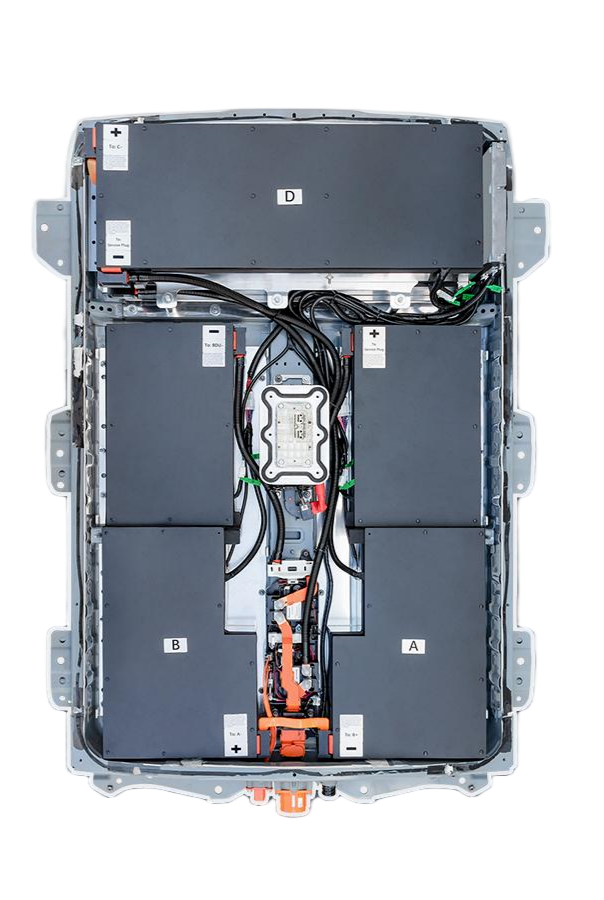
- The Pitfall: Improper busbar welding, loose connectors, or inadequate insulation. In a performance scenario, high current draw generates significant heat. If the connections are not laser-welded with precision, resistance builds up at the connection points.
- The Reality: High resistance leads to hotspots. These hotspots can melt plastic housings, cause short circuits, and void any hope of a warranty claim.
The CNS Solution:
We adhere to Original Factory Standard R&D. Our modules use nickel-plated copper busbars with laser welding technology, ensuring zero resistance increase at the joints. The physical layout is a 1:1 replica of the OEM design, ensuring it fits perfectly within the i3’s chassis without any modifications that could compromise safety.
The Range vs. Reliability Trade-Off
A common mistake in tuning is focusing solely on increasing kWh (kilowatt-hours) without considering the discharge rate.
- The Pitfall: Adding extra modules to increase range from 130km to 200km sounds great, but if the cooling system isn’t upgraded simultaneously, the battery will overheat during aggressive driving.
- The Reality: The BMW i3 relies on a specific thermal window. Exceeding this window, especially with high-capacity aftermarket cells that generate more heat, leads to rapid degradation. You might gain 70km of range today, but lose 50% of your battery capacity in six months.
The CNS Solution:
We offer balanced capacity upgrades (such as our 45kWh and 62kWh options) that are thermally optimized for the i3’s existing cooling architecture. We do not over-push the thermal limits of the vehicle. Our packs are designed to maintain a State of Charge (SOC) window that maximizes longevity while providing a realistic range boost.
The Warranty Mirage
Perhaps the biggest pitfall is the lack of accountability.
- The Pitfall: Many small tuners offer “lifetime” guarantees that are impossible to collect. They operate out of garages or short-term websites.
- The Reality: When a battery fails (and statistically, non-OEM packs have a high failure rate), the owner is left with a dead vehicle and no recourse.
The CNS Solution:
As a division of Henan CNS Energy Technology Co., Ltd., located in the Zhengzhou High-tech Development Zone, we are a legitimate, established manufacturer. We offer a 24-month / 80,000km official warranty—one of the most comprehensive in the aftermarket industry. This warranty covers defects in materials and workmanship, and crucially, it covers performance degradation, guaranteeing the battery maintains at least 70% capacity over the warranty period.
Conclusion: Performance Without Compromise
Tuning your BMW i3 for better performance shouldn’t feel like playing Russian roulette with your drivetrain. The pitfalls—cheap cells, bad software, shoddy wiring, and no warranty—are avoidable when you partner with a manufacturer that prioritizes engineering integrity over profit margins.
If you are ready to upgrade your i3 with a battery that offers the safety of OEM standards and the thrill of aftermarket performance, contact our technical experts today. We will guide you through the compatibility check and provide a personalized quote to get your i3 back on the road, stronger than ever.
Frequently Asked Questions (FAQ)
Q1: Are aftermarket tuned batteries safe for daily driving?
Yes, but only if they are built with new, high-quality cells (like CATL) and a properly programmed BMS. Avoid batteries made from recycled or mixed cells, as they are unsafe for daily use.
Q2: How long does it take to install a performance battery in a BMW i3?
For a professional technician, the installation typically takes 1-2 hours. We provide detailed installation videos and PDF guides to assist with the process.
Q3: What is the difference between a CNS BATTERY and a “refurbished” battery pack?
A CNS battery uses brand-new CATL cells and is built to OEM standards, offering a lifespan far exceeding that of refurbished batteries. Refurbished packs use old, degraded cells that are prone to swelling and sudden failure.
Q4: Do I need to modify my car to fit a CNS battery?
No. Our batteries are designed for plug-and-play compatibility with the BMW i3. They use the original connectors and mounting points, requiring no physical modifications to your vehicle.
Q5: What payment methods are available?
We offer a variety of secure payment options. Please contact our customer service team to confirm the best method for your region when signing the contract.