Common Pitfalls in BMW i3 Battery Installation (And How to Avoid Them)
Replacing the battery in your BMW i3 is a significant investment that can breathe new life into your vehicle. Whether you’re upgrading to a higher capacity or simply replacing a degraded pack, a successful installation ensures safety, longevity, and optimal performance.
However, as a professional in the EV battery industry, I’ve seen many DIY enthusiasts and even seasoned mechanics stumble at the final hurdle. Based on years of technical support and customer feedback, here are the most common pitfalls you must avoid when installing a BMW i3 battery, along with expert advice to ensure a smooth process.
1. Skipping the Pre-Installation Compatibility Check
The Pitfall:
One of the biggest mistakes is assuming that “all lithium batteries fit.” The BMW i3 has specific generations and technical specifications. Installing a battery that isn’t perfectly matched to your vehicle’s communication protocol or physical dimensions can result in the car not recognizing the battery or, worse, damaging the Battery Management System (BMS).
The Solution:
Before you even open the hood (or rather, the trunk where the i3 battery is housed), you must verify compatibility.
- Check the Specs: Ensure the Voltage, Capacity (kWh), and Connector types match your specific i3 model year.
- Use Professional Support: Don’t guess. At CNS BATTERY, we offer a free pre-sales compatibility assessment. Simply upload your vehicle information (like the VIN or model year), and our experts will confirm the perfect match. This step alone prevents 90% of installation failures.
2. Ignoring the “Golden Rules” of High-Voltage Safety
The Pitfall:
Electric vehicles operate on high-voltage systems (often over 400V). A single slip of a metal tool can cause a catastrophic short circuit, leading to severe burns, battery swelling, or even fire. Many DIYers underestimate the stored energy in the capacitors.
The Solution:
Safety is non-negotiable.
- Gear Up: Always wear insulated gloves and safety glasses.
- The “No Jewelry” Rule: Remove all rings, watches, or metal necklaces.
- Insulated Tools: Use tools with insulated handles rated for CAT III or CAT IV safety standards.
- Follow the Sequence: Never rush the disconnection and reconnection process. Follow the manufacturer’s specific torque specifications for bolts to prevent arcing.
3. Mishandling the Battery Management System (BMS) Programming
The Pitfall:
The BMS is the brain of the battery. A common error is connecting the physical battery but failing to properly program or “marry” the new BMS to the vehicle’s existing systems. This often results in the car displaying error codes or refusing to charge, leaving the owner frustrated and thinking the battery is defective.
The Solution:
- Understand the Protocol: Different batteries may require specific handshake procedures with the BMW’s onboard computer.
- Leverage Expert Support: If you encounter programming glitches, don’t panic. CNS BATTERY provides lifetime technical support. We’ve helped countless customers resolve BMS communication issues via remote video guidance or phone calls, often solving the problem in minutes.
4. Improper Cable Routing and Pinching
The Pitfall:
During reassembly, it’s easy to pinch high-voltage cables between the battery casing and the vehicle chassis, or to route them too close to sharp metal edges. This can cause insulation wear over time, leading to shorts or safety hazards.
The Solution:
- Inspect the Path: Before bolting everything down, visually inspect the cable routing.
- Use Protection: Ensure all cables are routed through the original protective grommets and clips.
- Tug Test: Gently tug on the connectors to ensure they are seated correctly and the cables aren’t under undue tension.
5. Overlooking the Cooling System
The Pitfall:
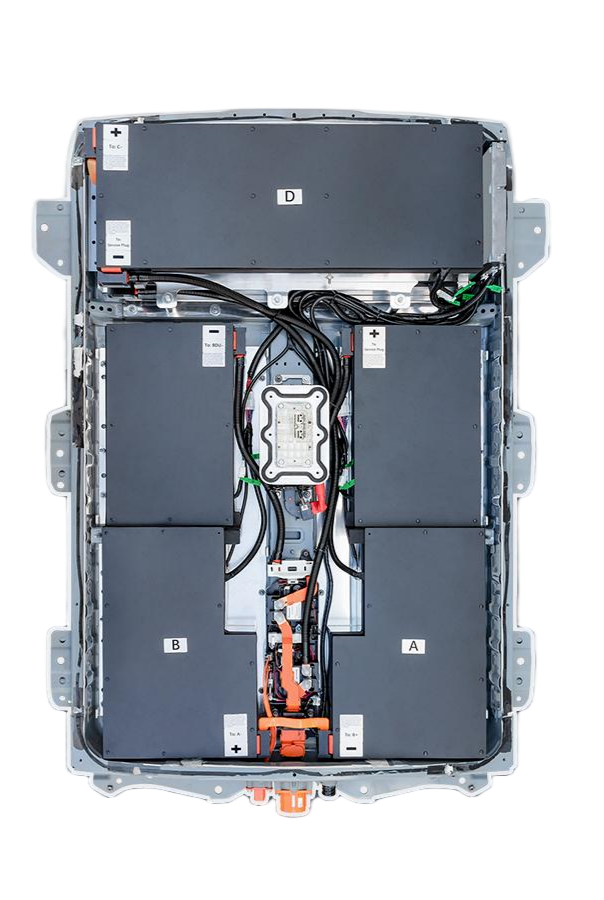
The BMW i3 battery relies on a liquid cooling system to maintain optimal temperature. If the thermal paste isn’t applied correctly (or if old paste creates air pockets), or if the coolant lines aren’t bled properly, the battery can overheat, triggering thermal protection modes that limit your driving range.
The Solution:
- Thermal Interface Material (TIM): Apply a high-quality thermal pad or paste evenly between the cells and the cooling plates.
- Bleed the System: After reconnecting the coolant lines, ensure you bleed the system of air to guarantee efficient heat transfer.
Why Choose a Professional-Grade Solution?
Avoiding these pitfalls is much easier when you start with a high-quality, reliable product designed for seamless integration.
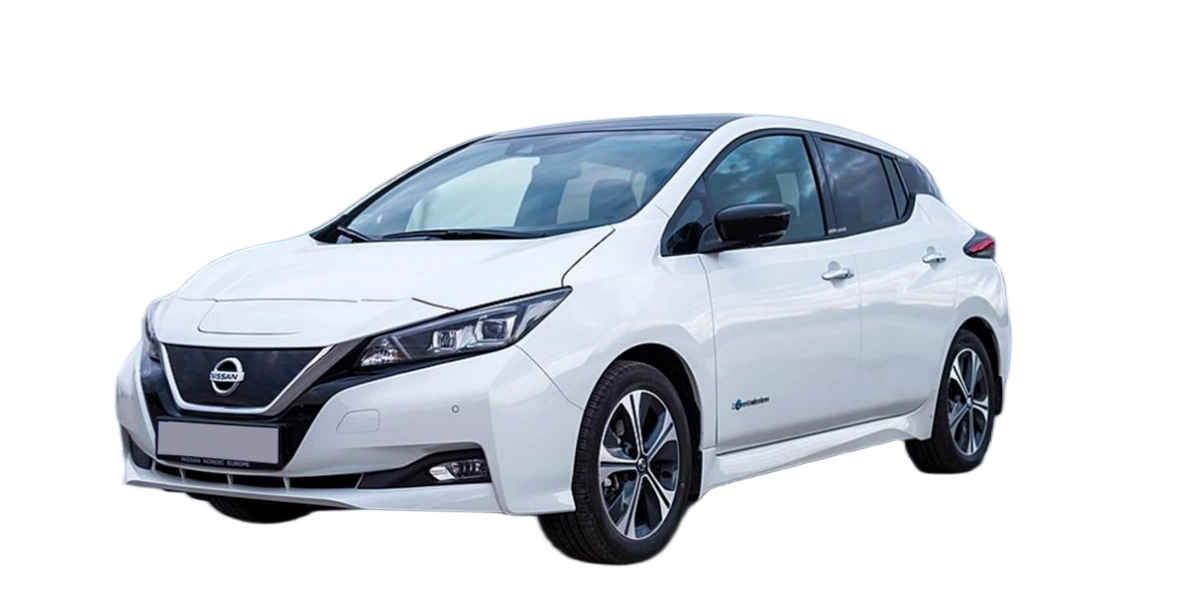
CNS BATTERY specializes in premium replacement solutions for the BMW i3 (and Nissan Leaf). Our batteries are engineered to meet Original Factory Standards, utilizing brand-new CATL cells to guarantee performance and safety.
Here is why our customers trust us to power their EVs:
- Unbeatable Warranty: We back our confidence with a 2-Year / 80,000km warranty, covering manufacturing defects and performance degradation.
- Zero Failure Reliability: Our rigorous quality control ensures a near-zero failure rate out of the box.
- Expert Guidance: We don’t just sell batteries; we provide peace of mind. From the initial compatibility check to the final programming step, our team is here to support you.
Ready to revive your BMW i3?
Don’t let installation fears hold you back. Get a free compatibility assessment and quote today.
Get Your Free Custom Quote Now
Frequently Asked Questions (FAQ)
Q1: How long does it take to install a BMW i3 battery?
A: For a professional technician, the physical installation typically takes 1-2 hours. This includes removing the old pack, positioning the new one, and reconnecting the cables. However, if you are a DIY user or need to troubleshoot BMS programming, it may take longer. We recommend reviewing our installation guides or contacting support beforehand.
Q2: Do I need special tools to install a CNS BMW i3 battery?
A: You will need standard automotive tools like wrenches and screwdrivers. However, because we are dealing with high voltage, we strongly recommend using insulated tools and wearing protective gear. For the BMS programming step, you may need a laptop or specific diagnostic interface, which our customer service team can guide you through.
Q3: What if I run into problems during the installation?
A: At CNS BATTERY, we offer comprehensive lifetime technical support. If you encounter wiring issues, programming errors, or just need clarification on a step, our team of automotive battery experts is available via phone, email, or even video call to guide you through the solution. Most technical issues are resolved within 24 hours.
Q4: Are CNS batteries a direct fit for my BMW i3 model?
A: Yes. We design our batteries to be plug-and-play for specific BMW i3 generations (like the 45kWh, 50kWh, or 62kWh variants). They are built to OEM specifications to ensure the connectors and dimensions match your vehicle perfectly. However, we always recommend confirming your specific model details with our sales team to guarantee a perfect fit.