
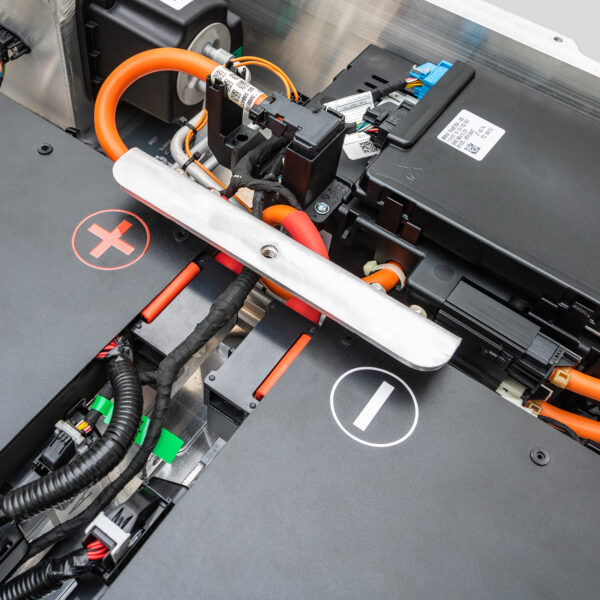
BMW i3 Battery for Beginners: Upgrade Basics
Is your BMW i3 showing signs of aging? If your driving range has shrunk significantly or charging times have increased, the issue is likely your battery. For many owners, the thought of replacing the high-voltage battery pack can be intimidating—both technically and financially. However, as a seasoned expert in EV powertrains, I’m here to tell you that upgrading your BMW i3 battery doesn’t have to be a nightmare. In fact, with the right information, it can be one of the most cost-effective ways to extend the life of your beloved electric vehicle.
This guide is designed specifically for beginners. We will break down the complex world of lithium-ion battery packs into simple, actionable steps, ensuring you make an informed decision that saves you money and restores your driving range.
Why Upgrade Your BMW i3 Battery?
The BMW i3 was a pioneer in the electric vehicle market, known for its innovative design and nimble driving dynamics. However, like all batteries, the cells degrade over time. Most original BMW i3 batteries (especially the earlier 22kWh and 33kWh variants) suffer from “range anxiety” after 5-7 years of use.
The Core Problem: Original replacement batteries from dealerships often cost upwards of $12,000 to $16,000. For a used vehicle, this price tag is simply prohibitive for most owners.
The Solution: Third-party OEM-compatible battery packs. Companies like CNS BATTERY specialize in manufacturing high-performance replacements that meet original factory standards but at roughly 50% less cost. By utilizing brand-new, top-tier cells from manufacturers like CATL, these aftermarket solutions offer a “like-new” driving experience without the dealer markup.
Understanding Your Options: New vs. Refurbished
Before diving into the upgrade process, it is crucial to understand the two main types of replacement batteries available on the market.
| Feature | Refurbished/Recycled Batteries | New OEM-Compatible Batteries (Recommended) |
|---|---|---|
| Core Components | Old, degraded cells from scrapped vehicles. | Brand-new, premium-grade cells (e.g., CATL). |
| Performance | Limited lifespan; prone to swelling or failure. | Stable performance; matches or exceeds factory specs. |
| Warranty | Often short or non-existent (e.g., 6 months). | Long-term coverage (e.g., 2 years / 80,000 km). |
| Cost Efficiency | High risk of repeat failure and additional costs. | Lower total cost of ownership due to durability. |
Expert Insight: As a professional in the field, I strongly advise against “refurbished” packs. While they may seem cheap initially, the risk of premature failure is high. Investing in a newly manufactured pack with fresh chemistry ensures safety and longevity.
Key Specifications for Your i3 Upgrade
When shopping for a replacement, you will encounter various technical terms. Here is what you need to know to choose the right fit for your BMW i3:
- Kilowatt-Hours (kWh): This is the “fuel tank” size of your EV. If you have an older i3 (22kWh or 33kWh), consider upgrading to a 45kWh or even a 62kWh module. This is a common “battery swap” upgrade that drastically increases your range from under 100 miles to over 150 miles on a single charge.
- Battery Management System (BMS): This is the brain of the battery. A high-quality BMS is essential for cell balancing and temperature management. Ensure the replacement pack includes a robust BMS to prevent overheating.
- Plug-and-Play Compatibility: The best replacements are designed to be drop-in solutions. This means the connectors, mounting points, and communication protocols match your i3 perfectly, eliminating the need for complex rewiring.
The Upgrade Process: What to Expect
One of the biggest concerns beginners have is the installation process. Many assume it requires a specialized clean room or dangerous high-voltage expertise. While high voltage is inherently risky, the physical installation is often simpler than people think.
- Pre-Purchase Check (The VIN Scan):
Do not buy a battery blindly. Reputable suppliers, including CNS, offer a free compatibility assessment. You simply provide your Vehicle Identification Number (VIN), and they confirm the exact fitment for your specific model year and variant. - Physical Installation:
For a professional mechanic, swapping the pack usually takes 1-2 hours. It involves disconnecting the 12V battery, lifting the car, removing the undertray, disconnecting the old high-voltage pack, and bolting in the new one. - Programming and Coding:
This is the most technical step. After the hardware is installed, the car’s software needs to recognize the new battery. This is where having a supplier with lifetime technical support is invaluable. They can guide you (or your mechanic) through the coding process via video call to ensure the dashboard displays the correct range and health metrics.
Why Choose a Professional Solution?
Upgrading your BMW i3 battery is not just about buying a box of cells; it is about buying a safety system. Lithium-ion batteries require strict quality control to prevent thermal runaway.
By choosing a manufacturer that adheres to Original Factory Standard R&D, you benefit from:
- Enhanced Safety: Rigorous testing for vibration resistance and thermal management.
- Extended Warranty: Peace of mind that your investment is protected (look for warranties covering at least 70% capacity retention).
- Performance Guarantee: Assurance that the stated kWh rating translates to real-world range.
Frequently Asked Questions (FAQ)
Q1: Can I install the BMW i3 battery myself?
A: Technically, yes, if you have mechanical experience and the proper insulated tools. The process is physically straightforward (bolting and plugging). However, high-voltage safety is paramount. If you are not confident, hire a professional. Most DIYers utilize the video tutorials and remote support provided by the manufacturer to guide them through the process safely.
Q2: How much range can I expect after the upgrade?
A: This depends on the specific pack you choose. If you upgrade from the original 22kWh to a modern 45kWh lithium battery pack, you can realistically expect to regain a full-charge range of approximately 180-200 miles (depending on driving conditions and climate). This effectively turns your older i3 into a modern commuter car again.
Q3: Is international shipping available for these batteries?
A: Yes. Due to the complexity of shipping lithium (UN 3480/3481), reputable companies handle the logistics. They often offer DDP (Delivered Duty Paid) services to North America, Europe, and Australia. This means they manage the customs and dangerous goods paperwork so the battery arrives at your door hassle-free.
Q4: What makes CNS BATTERY different from other suppliers?
A: CNS BATTERY specializes exclusively in Nissan and BMW platforms. This focus allows for deeper expertise. They utilize brand-new CATL cells (the gold standard in the industry) rather than recycled cells. Furthermore, they offer a comprehensive 2-year / 80,000 km warranty, which is significantly longer than the industry average for aftermarket packs, demonstrating confidence in their product’s durability.
Q5: What if I encounter a problem during installation?
A: A good supplier offers more than just a product; they offer support. If you face issues with wiring or BMS programming, contact their technical team immediately. Many providers offer real-time video guidance to troubleshoot and resolve issues within minutes, ensuring your upgrade is a success.
Ready to give your BMW i3 a second life? Don’t let battery degradation limit your adventures. Get a free compatibility check and quote today.

