Here is a comprehensive, SEO-optimized article tailored for the BMW i3 audience, focusing on performance upgrades and conversion.
⚡ 7 Ways to Upgrade BMW i3 Battery Performance (2026 Guide)
If you own a BMW i3, you know the thrill of its instant torque and agile handling. However, as the years pass, the limitations of the original battery—whether it’s the range anxiety or the degradation of older 60Ah/94Ah packs—can start to feel restrictive. The good news is that the electric vehicle (EV) aftermarket has evolved significantly. You no longer need to accept the factory specifications as permanent.
As a specialist in premium EV powertrains, we have analyzed the most effective ways to breathe new life into your i3. Whether you drive the standard BEV or the sporty BMW i3 REx, upgrading your battery is the single most impactful modification you can make to enhance driving enjoyment and daily usability.
Here are the 7 proven ways to upgrade your BMW i3 battery performance in 2026.
1. Upgrade to High-Capacity Lithium Cells (The Core Upgrade)
The most fundamental way to improve your BMW i3’s performance is to replace the core chemistry. If you are still running the original 60Ah or 94Ah cells, your car is operating on outdated battery technology.
- The Problem: These older cells have a nominal capacity of only 18.8 kWh or 27.2 kWh, resulting in a real-world range of roughly 100-130 miles. Furthermore, the cells degrade faster and cannot accept charge as quickly as modern batteries.
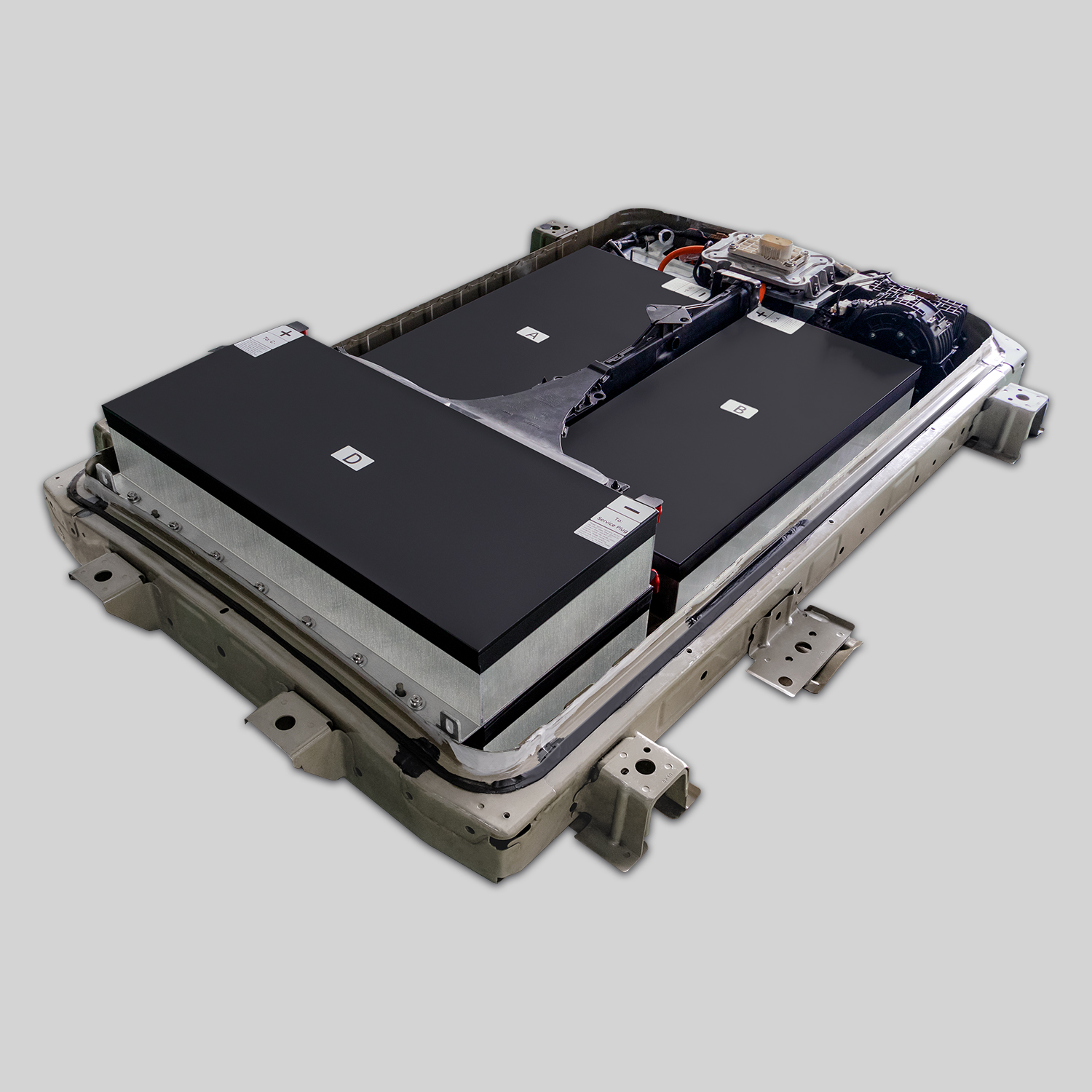
- The Solution: Swapping your old pack for a modern 45kWh or 50kWh lithium-ion battery pack is a game-changer. By utilizing brand-new, high-density cells from top-tier manufacturers like CATL, you can nearly double your range. A modern BMW i3 45kWh battery pack can deliver a real-world range of up to 180-200 miles, effectively silencing the range anxiety that haunts older EVs.
2. Switch to NMC 117Ah or Higher Cells
Not all lithium cells are created equal. Within the realm of battery upgrades, the specific cell chemistry dictates your performance ceiling.
- Why NMC? Nickel Manganese Cobalt (NMC) chemistry offers the best balance of energy density, power output, and lifespan. Specifically, upgrading to NMC 117Ah cells provides a massive boost in capacity compared to the old 60Ah cells.
- Performance Impact: This isn’t just about range. NMC 117Ah cells have a lower internal resistance. This means less heat generation during acceleration and regenerative braking. You will notice crisper throttle response and the ability to sustain higher speeds for longer periods without the battery management system (BMS) throttling power due to heat.
3. Optimize the Battery Management System (BMS)
A powerful battery needs a smart brain. The Battery Management System (BMS) is crucial for safety, longevity, and unlocking peak performance.
- The Upgrade: When replacing your BMW i3 battery, ensure the new pack comes with a sophisticated, programmable BMS. A high-quality BMS actively monitors every cell’s voltage and temperature.
- Real-World Benefit: An optimized BMS prevents over-discharge and over-charge, which are the primary enemies of battery life. More importantly, for performance enthusiasts, a tuned BMS can allow for higher discharge currents, meaning your electric motor can draw more power instantly when you need to overtake or accelerate hard.
4. Enhance the Thermal Management System
The BMW i3 was ahead of its time, but thermal management technology has improved. To maintain peak performance, especially in hot climates or during spirited driving, your battery needs to stay cool.
- The Fix: Upgrading the cooling system—or ensuring your replacement battery has a superior cooling design—is vital. Modern aftermarket batteries, like those we engineer, utilize advanced cooling plates and thermal interface materials.
- Why It Matters: Batteries operate most efficiently between 20°C and 35°C. If your battery overheats, the car automatically reduces power to protect the cells (this is called “limp mode”). By upgrading the thermal management, you ensure that your BMW i3 battery maintains maximum power output even during extended highway driving or rapid charging sessions.
5. Improve Charging Speed and Efficiency
One of the hidden performance metrics is how quickly you can get back on the road. Older BMW i3 batteries were not designed for the rapid charging speeds that modern technology allows.
- The Upgrade: By installing a battery with lower internal resistance (thanks to modern cells), you can significantly reduce charging times. While the BMW i3’s onboard charger limits the absolute maximum speed, a high-quality 45kWh pack will charge from 0-80% much faster than a degraded original pack.
- Efficiency Gains: Modern cells also have a higher Coulombic efficiency, meaning less energy is wasted as heat during the charge/discharge cycle. This translates directly to more miles per kilowatt-hour.
6. Reduce Weight with Advanced Packaging
Performance in a car like the BMW i3 is also about weight distribution. The original high-voltage battery is heavy, and adding more cells usually means adding more weight.
- The Innovation: The latest generation of replacement batteries uses ultra-lightweight composite materials for the casing and structural optimization. By using advanced engineering, manufacturers can pack more kWh into a smaller space without adding excessive weight.
- Driving Dynamics: Keeping the weight as low as possible maintains the i3’s legendary low center of gravity. This ensures that the car’s handling—its sharp steering and nimble cornering—remains untouched, or even improved, by the upgrade.
7. Professional Installation and Calibration
You can have the best cells and the smartest BMS in the world, but if they aren’t integrated correctly, your performance upgrade will fail.
- The Process: A proper upgrade involves more than just bolting in a new box. It requires professional calibration of the BMS with the vehicle’s Instrument Cluster (IC) and the Electric Control Unit (ECU).
- Peace of Mind: This is why choosing a reputable supplier is critical. A professional installation ensures that your range display is accurate, your charging functions work flawlessly, and your car recognizes the new battery capacity without throwing error codes.
Why Choose a Premium Upgrade?
Upgrading your BMW i3 battery is not just a repair; it is a transformation. It turns a car with limited usability into a modern, viable electric vehicle capable of handling daily commutes and weekend trips with ease.
When you decide to upgrade, you want a partner that understands the intricacies of German engineering and the demands of high-performance lithium batteries. You need a solution that offers OEM-level precision, using the highest quality brand-new CATL cells, backed by a warranty that protects your investment.
Don’t let an outdated battery limit your journey. Upgrade to a high-performance lithium pack and rediscover the joy of driving your BMW i3.
Ready to transform your BMW i3? Get a free, customized quote for a high-performance battery upgrade today.
Get Your Custom BMW i3 Battery Quote Now
Frequently Asked Questions (FAQ)
Q1: What is the best battery upgrade for a BMW i3?
The best upgrade depends on your current model. For cars with the older 60Ah or 94Ah packs, upgrading to a 45kWh or 50kWh lithium battery pack using new NMC 117Ah cells is the industry standard for maximizing range and performance.
Q2: How much does it cost to replace a BMW i3 battery?
While OEM replacements from the dealership can cost upwards of $16,000 USD, a high-quality aftermarket replacement (like those using new CATL cells) typically costs significantly less, often around 50% of the OEM price, making it a much more accessible investment.
Q3: How long do BMW i3 replacement batteries last?
A high-quality replacement battery, such as those built to OEM standards with new cells, should last for at least 8-10 years or 150,000+ miles, depending on charging habits and climate conditions. Look for suppliers offering a minimum 2-year or 80,000km warranty for peace of mind.
Q4: Can I install the battery myself?
While it is technically possible for a skilled DIYer with the right tools and safety gear, we strongly recommend having the battery installed by a certified technician. High-voltage systems are dangerous, and proper BMS programming is required to ensure the car recognizes the new battery correctly.