7 Ways to Improve BMW i3 Battery Efficiency
Are you struggling with the limited range of your BMW i3? You’re not alone. As the battery ages, the driving range decreases, and the charging speed slows down, which can be very anxiety-inducing. As a professional manufacturer of BMW i3 batteries, CNS BATTERY understands your pain deeply. We have spent ten years researching and developing high-performance lithium-ion battery solutions specifically for the BMW i3. In this article, we will share 7 practical methods to help you improve the efficiency of your BMW i3 battery. Whether it is through software optimization or hardware upgrades, we will provide you with professional advice to help you extend your driving range and enjoy a smoother driving experience.
1. Optimize Charging Habits: Avoid “Deep Charging and Deep Discharging”
The lithium-ion battery in the BMW i3 is like a person’s physical health; gentle care can extend its life.
- Avoid 100% Charging: Although it is tempting to fill the battery to the brim, charging to 100% frequently puts the battery cells under high voltage stress, accelerating aging. We recommend setting the charging limit to 80%-90% for daily use.
- Avoid “Running Out of Power”: Do not wait until the battery is completely drained before charging. When the battery level is low, the internal resistance increases. Try to charge the battery when the remaining range drops below 20%.
- Use AC Charging More Often: DC fast charging is convenient, but the high current generates a lot of heat. Whenever possible, use AC slow charging (Wallbox) to reduce heat generation and protect the battery health.
2. Master the Pre-Conditioning Function: Warm Up the Battery
The chemical reaction rate inside the battery is highly dependent on temperature. The BMW i3 is equipped with an excellent battery temperature management system.
- Utilize Pre-Conditioning: Before starting your journey or fast charging, use the My BMW App to pre-heat the battery. When the battery temperature is within the optimal range (usually 25°C-40°C), the charging speed is the fastest and the discharge efficiency is the highest.
- Winter Strategy: In cold weather, the range of electric vehicles will inevitably decrease. Pre-heating the battery and the cabin while still connected to the charging pile can save precious battery power for your journey.
3. Adjust Driving Style: Smooth is the Key to Efficiency
Aggressive driving is the biggest killer of electric vehicle range.
- Use Single-Pedal Mode: The BMW i3’s energy recovery system is very powerful. By mastering the single-pedal driving mode, you can minimize the use of the mechanical brakes, converting kinetic energy back into electricity.
- Gentle Acceleration: Avoid stomping on the accelerator. A smooth start and maintaining a constant speed can significantly reduce power consumption. Remember, high-speed driving consumes the most power. On the highway, try to keep your speed within the most efficient range.
4. Reduce Vehicle Load: Every Kilogram Counts
The heavier the car, the more energy it consumes.
- Clean Out the Trunk: Remove unnecessary items from the trunk and storage compartments. Every extra 100kg of weight increases energy consumption.
- Remove Unused Roof Racks: If you are not using a roof rack, remove it immediately. Roof racks significantly increase wind resistance, which is the main factor affecting high-speed power consumption.
5. Maintain Optimal Tire Pressure
Tire pressure directly affects rolling resistance.
- Regular Checks: Check the tire pressure at least once a month. The BMW i3 usually has a recommended tire pressure label on the driver’s door frame.
- Slightly Higher Pressure: You can inflate the tires to the upper limit of the recommended pressure. This can reduce the contact area with the ground, thereby reducing rolling resistance and saving energy. However, do not exceed the maximum pressure limit on the tire sidewall.
6. Software Updates: Unlock Hidden Potential
BMW frequently releases software updates that often include optimizations for the battery management system (BMS) and motor control.
- Keep it Updated: Regularly check for and install the latest system updates for your BMW i3. These updates may improve thermal management algorithms, making the battery work more efficiently.
- BMS Calibration: If you notice a significant drop in the displayed range, a professional BMS calibration might be necessary to correct the battery’s state of charge (SOC) calculation.
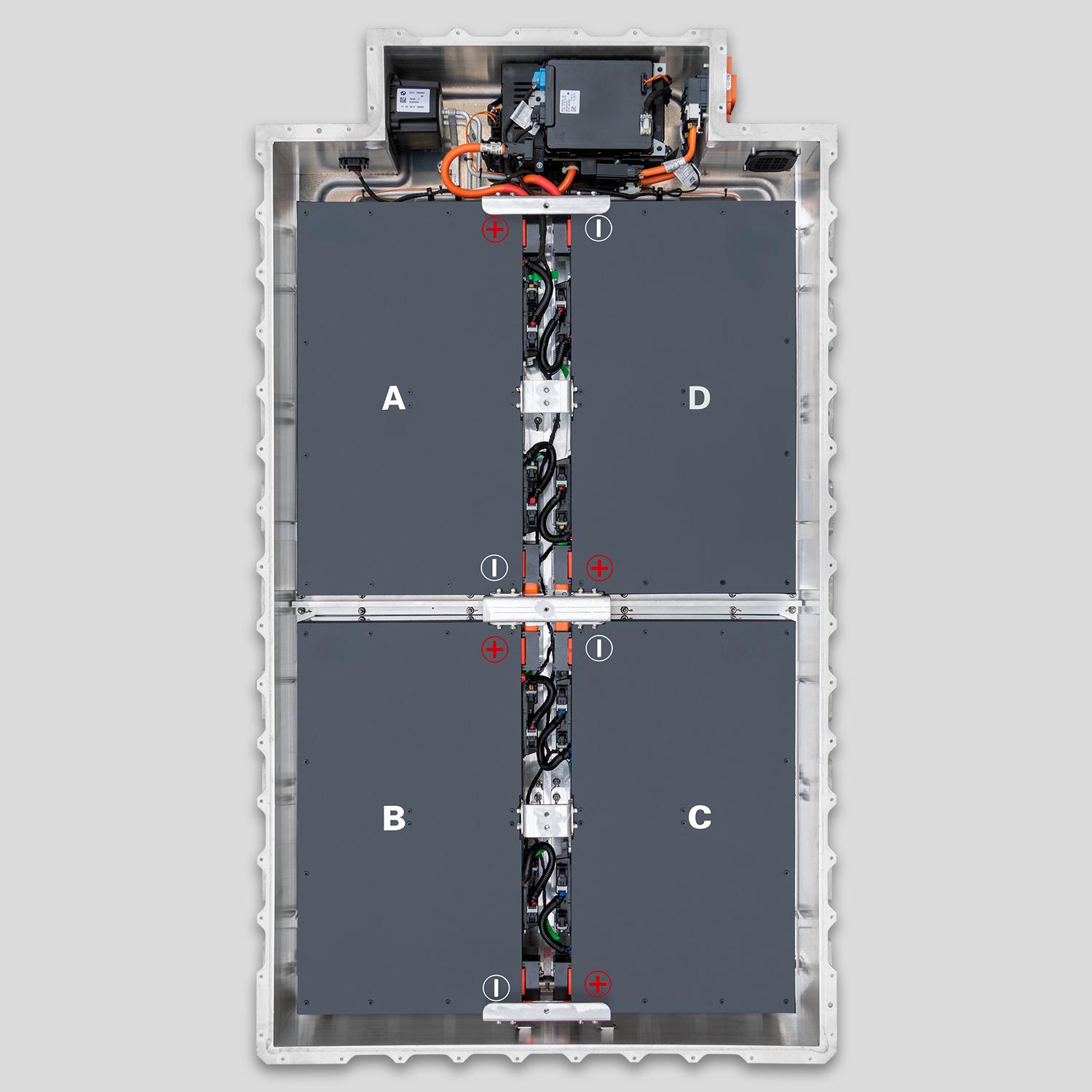
7. The Ultimate Solution: Upgrade to a New CNS BATTERY
If you have tried the above methods but still feel that the range is severely degraded, it may be time to consider the core solution: replacing the battery.
After years of use, the original battery cells undergo irreversible chemical aging, leading to capacity fade. At CNS BATTERY, we specialize in manufacturing OEM-compatible, high-capacity battery packs for the BMW i3.
Why choose a CNS BATTERY for your upgrade?
- Brand New CATL Cells: We use brand-new, top-tier lithium-ion cells from CATL, ensuring performance and safety far superior to recycled or refurbished batteries.
- Extended Range: We offer various capacity options (45kWh, 50kWh, 62kWh, and even 68kWh upgrades) to meet your different range needs.
- 50% Cost Savings: Compared to the original manufacturer’s price, our batteries save you over 50% while providing a 2-year/80,000km warranty.
- Perfect Fit: Our batteries are designed to OEM standards, ensuring a plug-and-play installation without any modifications.
Ready to revive your BMW i3? Get a Free Custom Quote Now!
Frequently Asked Questions (FAQ)
Q1: How often should I replace the coolant in my BMW i3 battery?
A: The coolant plays a vital role in maintaining battery temperature. It is generally recommended to replace the coolant every 4-6 years or according to the maintenance manual to ensure the cooling system works efficiently.
Q2: Can I install a CNS BATTERY myself?
A: Yes. Most of our customers successfully install the battery themselves with the help of our installation videos and manuals. The process usually takes 1-2 hours. However, if you are not confident, we strongly recommend hiring a professional technician to ensure safety and avoid voiding the warranty.
Q3: What is the lifespan of a CNS BATTERY?
A: Thanks to the use of brand-new CATL cells and strict quality control, our batteries are designed for long-term use. We offer a standard 2-year or 80,000km warranty (whichever comes first), covering any defects in materials or workmanship.
Q4: Do CNS batteries support fast charging?
A: Absolutely. Our batteries are engineered to meet or exceed the original factory standards, including support for DC fast charging. As long as the battery temperature is within the optimal range, you can enjoy fast charging speeds.
Q5: How do I get a compatibility assessment for my car?
A: It’s simple. Just contact our technical experts and provide your vehicle’s VIN code or model information. We will check the compatibility for free to ensure the battery is a perfect match for your BMW i3.