Here is the SEO-optimized article tailored for Nissan Leaf owners seeking battery upgrades.
The Ultimate Nissan Leaf Battery Upgrade Guide for 2026
Are you struggling with the “Range Anxiety” of an aging Nissan Leaf? You are not alone. As the world’s best-selling electric vehicle (EV) for several years, the Nissan Leaf has revolutionized how we drive. However, as these cars age, battery degradation is inevitable. If your Leaf’s range has dropped from 150 miles to barely 60, or if you are facing a $15,000+ quote from a dealership for a replacement, there is a smarter, more affordable path forward.
This guide will walk you through the ultimate Nissan Leaf battery upgrade solutions available in 2026. We will explore how to double your range, restore your car to “like-new” condition, and save thousands of dollars compared to OEM prices.
Why Upgrade Your Nissan Leaf Battery?
The Nissan Leaf is a robust platform. The chassis, suspension, and electric motor rarely fail. The bottleneck is almost always the battery pack. Upgrading your battery isn’t just about fixing a problem; it is about unlocking the car’s full potential.
1. The Economics of Upgrading vs. Replacing
Buying a new electric car in 2026 is expensive. Even a used Leaf with a degraded battery often costs more than a fresh battery pack itself. By choosing an aftermarket upgrade, you can save over 50% compared to the original manufacturer’s price while enjoying the same (or better) performance.
2. Doubling Your Driving Range
Technology has advanced significantly since the early Leaf models (ZE0, AZE0) were released. Where your old battery might have been 24kWh or 30kWh, modern 40kWh, 50kWh, 62kWh, and even 68kWh modules are now available. Swapping your old degraded pack for a high-capacity new one can transform your Leaf from a “city car” into a capable “long-range” vehicle.
Understanding Your Leaf’s Battery Options
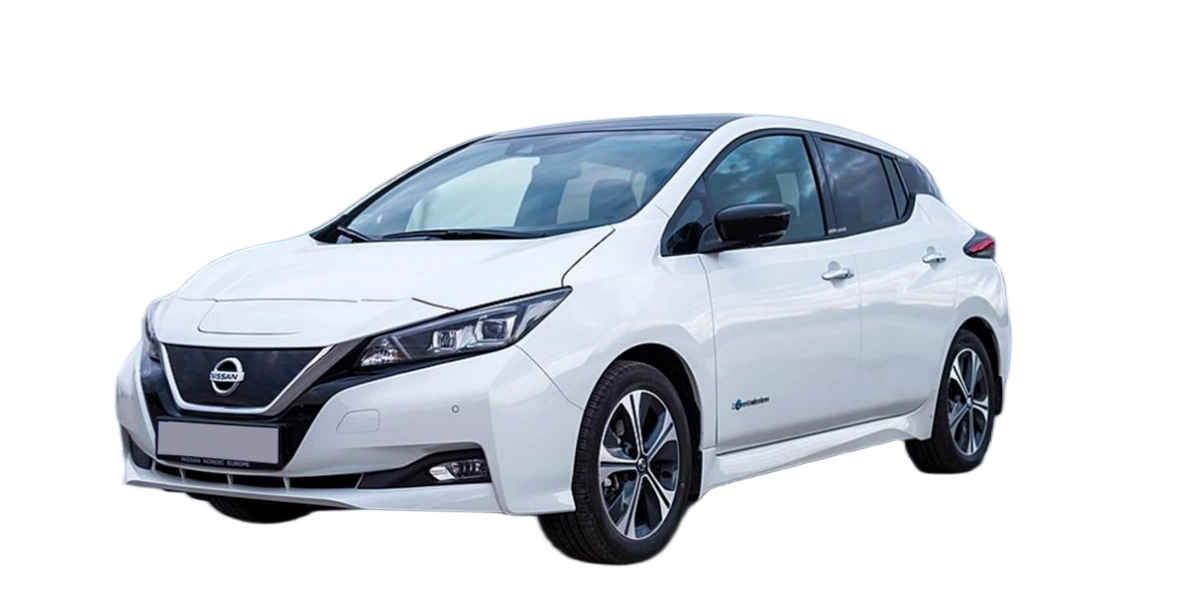
Nissan Leafs come in three primary generations. Before you upgrade, you need to identify which model you drive.
| Leaf Generation | Model Codes | Common Battery Upgrades |
|---|---|---|
| First Generation | ZE0 (2011-2017) | 40kWh, 50kWh, 62kWh |
| Second Generation | AZE0 (2018-2022) | 50kWh, 62kWh |
| Third Generation | ZE1 (2023-Present) | 40kWh, 62kWh, 68kWh |
Key Insight: The beauty of the Leaf platform is its modularity. Even if you own a ZE0, you can often upgrade to a capacity that matches the newer ZE1 models.
The Ultimate Upgrade: New Cell Technology
Not all battery upgrades are created equal. There are three main paths you can take:
- Refurbished/OEM Packs: These are original packs with new cells. They are expensive and often use older chemistry.
- DIY Repacks: Buying cells and rebuilding the pack yourself. This is dangerous due to high voltage and requires specialized welding equipment.
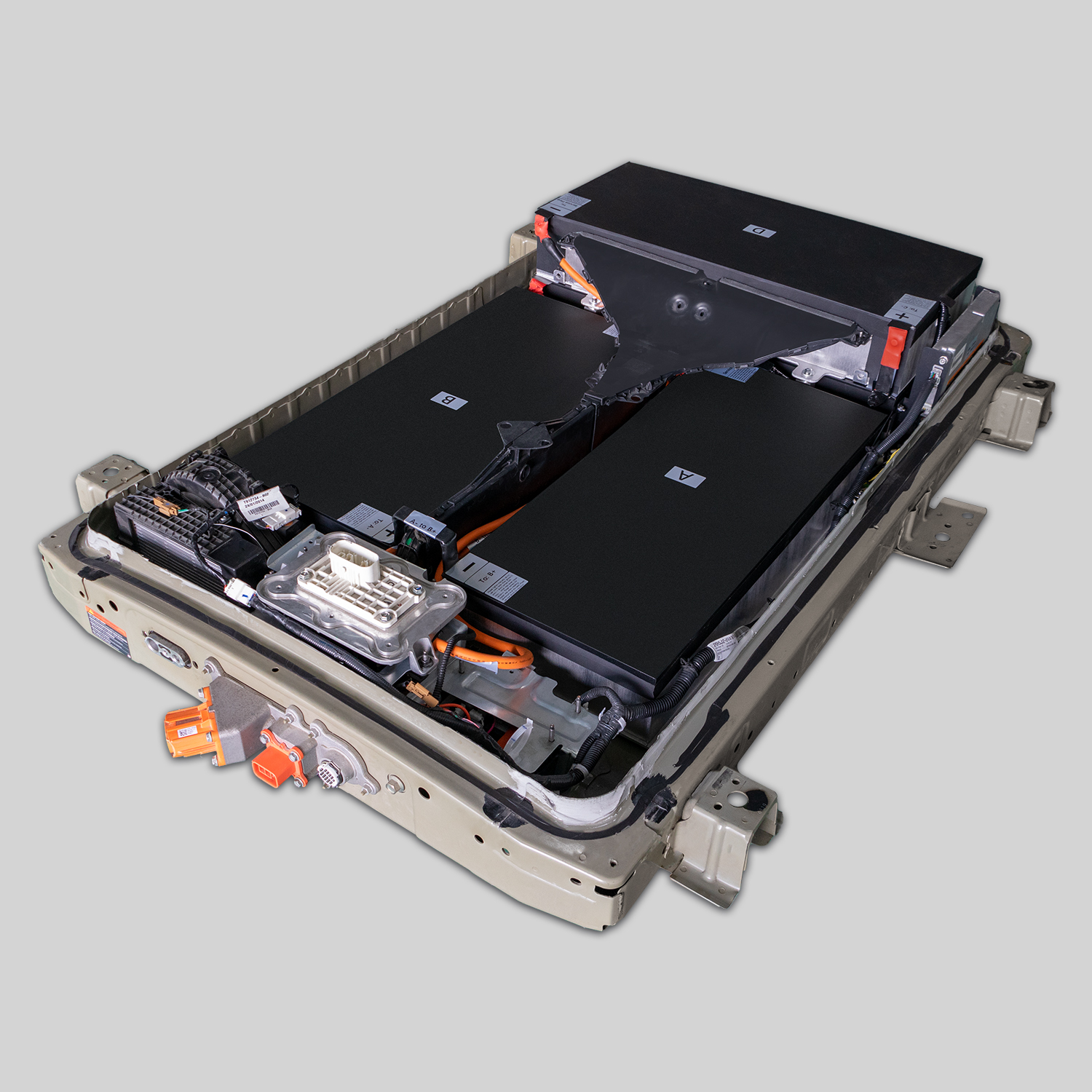
- Plug-and-Play OEM-Compatible Modules (The Ultimate Choice): This is the safest and most efficient method. Companies like CNS BATTERY manufacture complete battery modules or packs using brand-new, top-tier cells (such as CATL).
Why Choose New Modules?
Using brand-new Lithium Iron Phosphate (LFP) or NCM cells from manufacturers like CATL offers distinct advantages over older technology:
- Zero Degradation: You start at 100% health, not 70%.
- Enhanced Safety: Modern Battery Management Systems (BMS) prevent overheating and short circuits.
- Longer Lifespan: New cells can last for hundreds of thousands of miles.
Step-by-Step: How to Execute the Perfect Upgrade
Upgrading your battery doesn’t require a PhD in engineering. Here is the professional workflow for a successful upgrade:
Step 1: Compatibility Check
Before you buy anything, you must verify compatibility. This involves checking your Vehicle Identification Number (VIN) and the specific connectors on your car. Different markets (USA, EU, JAPAN) have slightly different wiring harnesses. Do not guess—get a professional assessment.
Step 2: Selecting the Right Capacity
- For Daily Commuters: A 40kWh upgrade is perfect. It restores the range of a new early-model Leaf.
- For Road Trippers: Go for the 62kWh or 68kWh option. This gives you a real-world range of over 200 miles, making highway driving stress-free.
Step 3: Installation
The installation process for a Nissan Leaf battery typically takes 1-2 hours. It is largely a mechanical swap:
- Disconnect the 12V auxiliary battery.
- Remove the underbody shields.
- Disconnect the high-voltage (HV) coupler and signal cables.
- Remove the old pack (heavy—use proper lifting equipment).
- Install the new pack and reconnect the cables.
- BMS Programming: This is the most critical step. The new Battery Management System needs to be programmed to communicate with your car’s dashboard. Most reputable suppliers offer remote programming support.
Frequently Asked Questions (FAQ)
Q1: Is it safe to install an aftermarket battery on my Nissan Leaf?
A: Yes, provided you use a reputable manufacturer. Look for batteries that use brand-new cells from Tier-1 suppliers (like CATL, LG, or Panasonic). These batteries undergo rigorous testing for vibration resistance, waterproofing, and thermal management. Avoid “rebuilt” or “recycled” packs as they can have hidden defects.
Q2: How much money can I actually save?
A: The savings are substantial. A dealership replacement for a Leaf can cost upwards of $16,000. A premium aftermarket upgrade with brand-new cells typically costs between $7,000 and $9,000, saving you over 50%. This makes keeping your Leaf financially viable.
Q3: Will this void my car’s warranty or affect the BMS?
A: Since the Nissan Leaf is often out of the factory warranty period, this is rarely an issue. For newer ZE1 models still under warranty, a compatibility check is essential. A high-quality OEM-compatible battery is designed to mimic the original voltage and communication protocols perfectly, meaning your dashboard will function normally without error codes.
Q4: What is the warranty on these upgraded batteries?
A: Leading manufacturers stand by their products. You should expect at least a 2-year warranty or 80,000 km (whichever comes first) on both the cells and the BMS. Some manufacturers even offer prorated coverage for performance degradation, ensuring the battery retains at least 70% capacity during the warranty period.
Ready to Revive Your Leaf?
Upgrading your Nissan Leaf battery is the most sustainable and cost-effective way to keep your electric journey going. With new technology, you can achieve ranges that rival brand-new EVs at a fraction of the cost.
Don’t let a degraded battery end your Leaf’s life. Explore your upgrade options today and get back on the road with confidence.
Get a Free Custom Quote for Your Nissan Leaf Battery Upgrade Today.
Contact Our Technical Experts Now