DIY Nissan e-NV200 Battery Upgrade vs Original OEM
The Nissan e-NV200 is a versatile workhorse for city logistics and family transport. However, like all electric vehicles, its lifespan is dictated by the health of its battery pack. As the original battery ages, capacity fades, and range anxiety sets in. When faced with a dead battery, owners are often presented with a stark choice: pay the exorbitant price for a brand-new OEM replacement or explore the world of aftermarket upgrades. This guide will dissect the DIY Nissan e-NV200 battery upgrade option, comparing it directly against the Original OEM solution, empowering you to make the most cost-effective decision for your vehicle.
The Cost Dilemma: OEM vs. Aftermarket
The primary reason owners consider a DIY upgrade is the staggering price difference. Replacing a Nissan e-NV200 battery at a dealership can cost upwards of $12,000 to $16,000. For a vehicle that might be worth significantly less on the used market, this often doesn’t make financial sense.
In contrast, a high-quality aftermarket solution, such as those offered by CNS Battery, provides a brand-new battery pack at roughly 50% of the OEM price. This dramatic cost reduction opens the door for a DIY project, allowing owners to further save on labor costs typically charged by mechanics.
Performance Comparison: New vs. Refurbished
When you buy a new OEM battery, you are guaranteed a new Lithium-ion pack. However, the aftermarket is a mixed bag. It is crucial to distinguish between a refurbished OEM battery (which simply reuses old, degraded cells) and a new aftermarket upgrade.
| Feature | Original OEM Battery | Refurbished/Recycled Battery | New Aftermarket Upgrade (e.g., CNS) |
|---|---|---|---|
| Cell Quality | Brand new, factory spec | Used, degraded cells | Brand new CATL cells |
| Expected Range | Factory range (e.g., 180km) | Often 30-50% less than factory | Equal or exceeds factory range |
| Warranty | Standard Manufacturer Warranty | Often none or very short | 2 Years / 80,000 km |
| DIY Feasibility | High (Plug-and-Play) | High (Plug-and-Play) | High (Plug-and-Play + Video Guides) |
| Cost | Very High | Low to Moderate | Moderate (50% saving vs OEM) |
The Verdict: If you are considering a DIY upgrade, never opt for a refurbished pack. The risk of cell swelling, rapid degradation, and fire hazards is too high. A DIY project is only worthwhile if you are installing a pack made with brand-new, high-quality cells.
The DIY Experience: Is it Really “Plug and Play”?
One of the biggest fears for a DIYer is complexity. You might wonder if you need a degree in electrical engineering to swap a battery. The reality is much simpler.
Modern aftermarket manufacturers, including CNS, design their Nissan e-NV200 batteries to be drop-in replacements. This means:
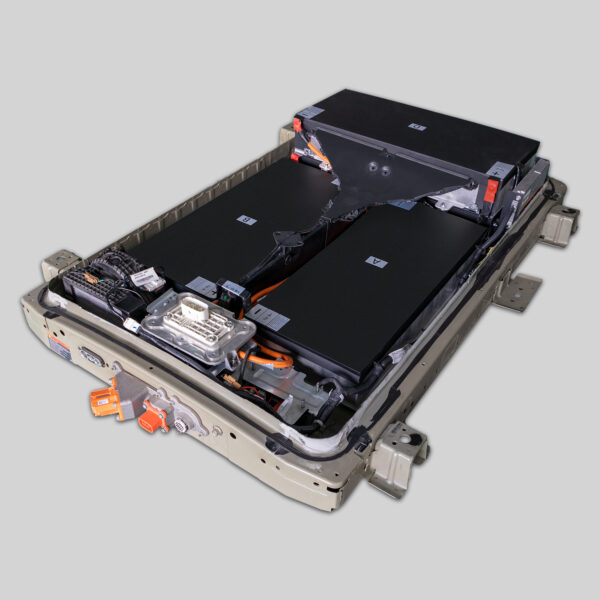
- Physical Fit: The chassis and mounting points are engineered to match the OEM specifications exactly.
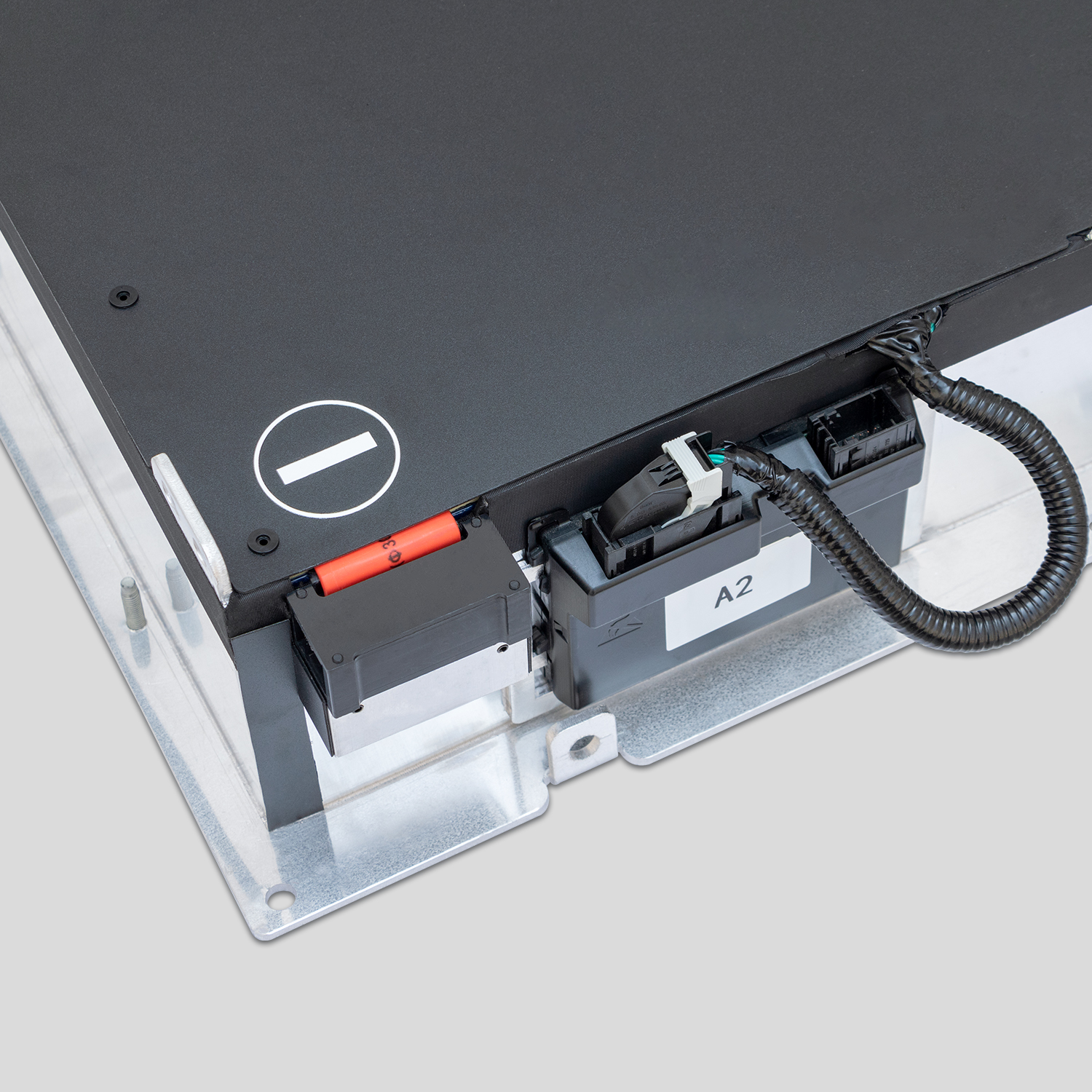
- Electrical Connection: The connectors are often the same as the original, allowing for a direct plug-and-play experience.
- BMS Compatibility: The Battery Management System (BMS) is pre-programmed to communicate seamlessly with the Nissan Vehicle Control Unit (VCU).
Real-World DIY Story:
Thomas B. from Amsterdam recently upgraded his Nissan e-NV200. He reported: “The installation was surprisingly simple. The complete battery pack was plug-and-play; it automatically matched the system after plugging in the connector, without any additional steps.”
While the physical swap is mechanical, the critical step is the software handshake. This is where having a partner with strong technical support is vital. If the BMS needs reprogramming or the car throws an error code, you need access to engineers who can guide you via video call or remote desktop.
Safety and Reliability: Trusting Third-Party Hardware
Safety is the paramount concern when handling high-voltage lithium-ion batteries. The common perception is that “Original is Always Safer.” However, this depends entirely on the supply chain of the aftermarket provider.
Reputable aftermarket brands source cells from the same Tier-1 manufacturers (like CATL or LG) that supply the OEMs. The difference is that the aftermarket manufacturer assembles the pack independently, cutting out the car manufacturer’s markup.
When you choose a DIY upgrade, you are not just buying a battery; you are buying into the manufacturer’s quality control process. Look for certifications, robust packaging (often in fumigation-free wooden crates for shipping), and comprehensive warranties that prove the manufacturer stands behind their product.
Why Choose a DIY Nissan e-NV200 Upgrade?
If you are reading this, you are likely looking to maximize your budget. A DIY Nissan e-NV200 battery upgrade makes sense if:
- You value cost-efficiency: You want a brand-new battery experience without the OEM premium.
- You have mechanical aptitude: Or you have a friend who can help you with basic wrenching. The process typically takes 1-2 hours.
- You want the latest technology: Aftermarket suppliers often offer higher capacity options (like upgrading from 40kWh to 50kWh or 62kWh) that the original manufacturer may no longer offer.
- You prioritize support: You choose a supplier that offers detailed video tutorials and direct access to engineers.
Conclusion
The decision between a DIY aftermarket upgrade and an OEM replacement is no longer just about “cheap vs. expensive.” It is about value.
By choosing a DIY Nissan e-NV200 battery upgrade from a reputable manufacturer using brand-new CATL cells, you are not settling for a compromise. You are opting for a modern, high-performance battery that matches the OEM in safety and fitment while saving over 50% on the price.
If you are ready to revive your e-NV200 and extend its life for another decade, explore the options available today.
Frequently Asked Questions (FAQ)
Q1: Is it safe to install an aftermarket battery myself?
Yes, if you follow the proper safety protocols. The high-voltage system in the e-NV200 requires the 12V battery to be disconnected before starting. Reputable suppliers like CNS provide detailed installation videos and safety gear (like insulated gloves) to ensure a safe DIY process.
Q2: Will an aftermarket battery void my car’s remaining warranty?
Generally, aftermarket parts do not automatically void a vehicle’s warranty unless the aftermarket part causes damage. Since the e-NV200 battery is likely degraded or dead, a replacement is necessary. It is recommended to consult your specific warranty terms, but most independent mechanics and experts agree that replacing a failed component with a compatible aftermarket part is standard practice.
Q3: How long does a new aftermarket battery last compared to OEM?
A new aftermarket battery made with fresh, high-grade cells (like CATL) will perform identically to a brand-new OEM pack in terms of lifespan and cycle life. The key difference is that a DIY aftermarket solution often costs half as much.
Q4: What if I encounter a problem during installation?
This is where choosing the right supplier matters. Companies specializing in the DIY market, such as CNS Battery, offer direct technical support. This includes video call guidance, remote programming assistance, and detailed step-by-step manuals to help you troubleshoot any issues from start to finish.
Ready to upgrade your Nissan e-NV200 battery? Get a Free Custom Quote Now.