Why Tattu Alternative Customization is Essential for Agriculture Sprying Drones?
In the high-stakes world of precision agriculture, the difference between a bountiful harvest and a costly loss often boils down to one critical factor: operational efficiency. For agricultural spraying drones, this efficiency is directly tethered to the battery system. While many farmers rely on standard off-the-shelf batteries like Tattu, the agricultural landscape is rarely standard. Uneven terrain, varying payload weights, and extreme weather conditions demand a power solution that is equally dynamic. This is where the concept of “Tattu Alternative Customization” moves from a luxury to a necessity.
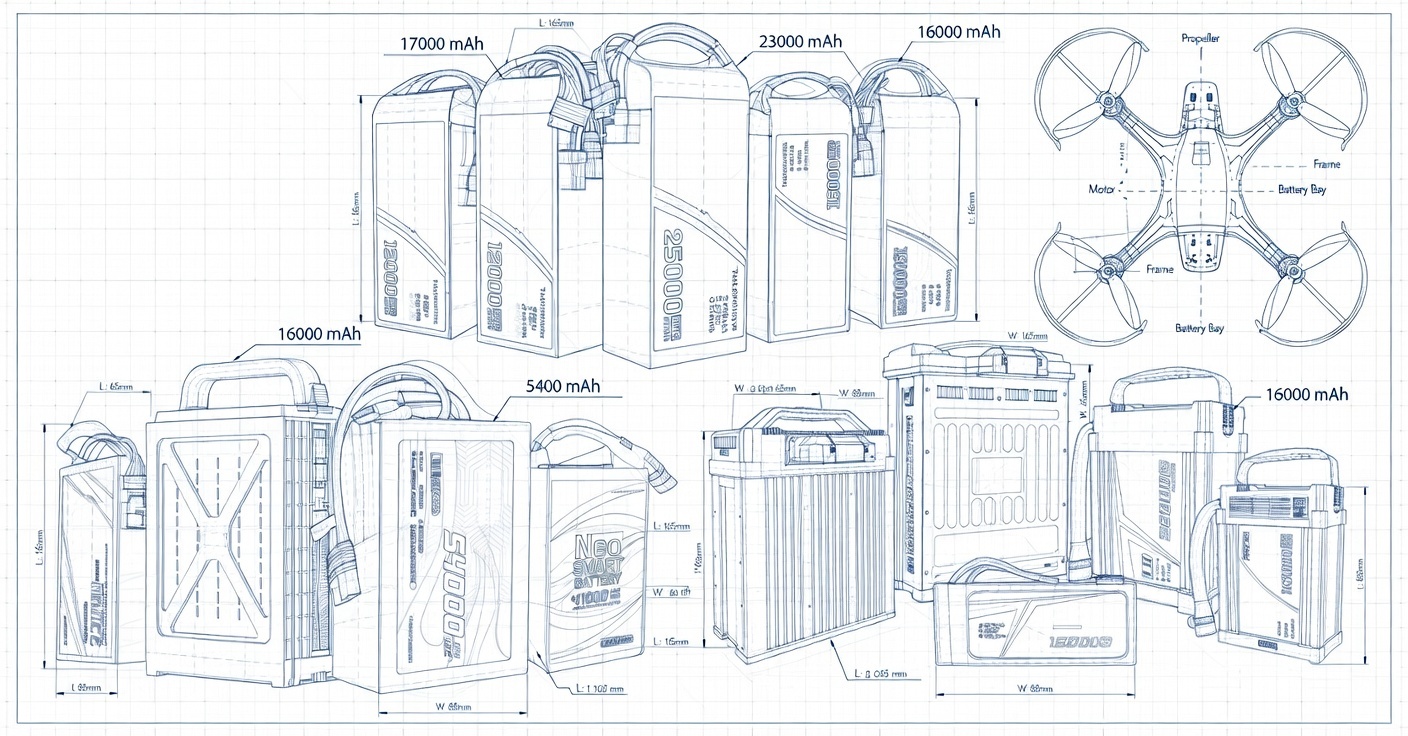
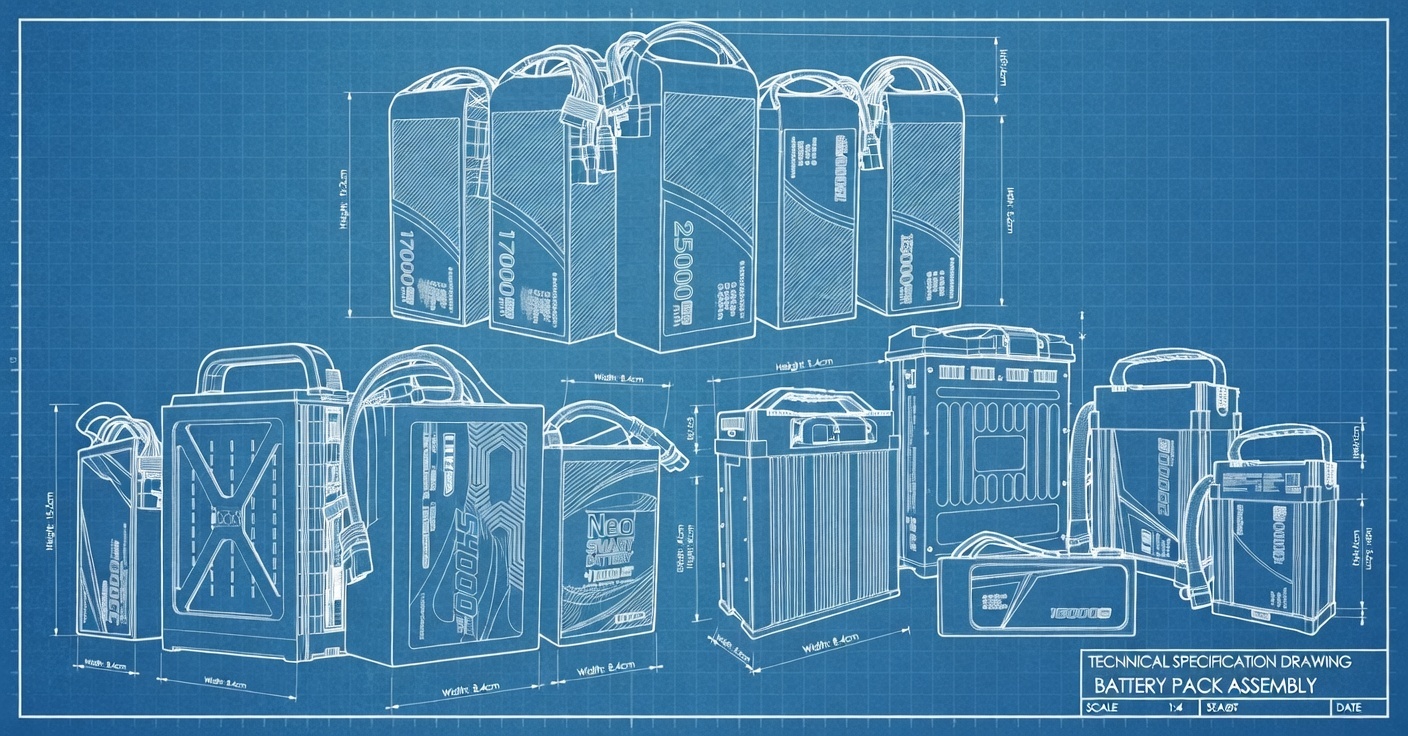
Standard batteries offer a one-size-fits-all approach, but modern agriculture requires a tailored fit. Customization allows operators to break free from the constraints of generic voltage and capacity limitations. By opting for a Tattu alternative specifically engineered for unique spraying requirements, farmers can achieve longer flight times, faster turnaround cycles, and ultimately, maximize their yield per acre.
The Core Advantages of Customization
1. Precision Payload Matching
Generic batteries often force drones to operate at sub-optimal energy levels. A customized Tattu alternative allows for precise voltage and capacity adjustments that perfectly match the drone’s motor and propeller configuration. This ensures that the drone is neither underpowered nor lugging around excess weight, striking the ideal balance between lift capacity and energy consumption.
2. Extended Operational Windows
In agriculture, time is of the essence. Standard batteries may limit the daily spraying window due to frequent charging needs. Custom solutions, such as high-energy-density semi-solid-state batteries, can significantly extend flight duration. This means fewer landings for battery swaps and the ability to cover more ground during the optimal spraying hours of the day.
3. Environmental Resilience
Agricultural environments are harsh. Standard packs can degrade quickly when exposed to corrosive chemicals, dust, or high temperatures. Custom batteries can be engineered with specific IP ratings (such as IP67) and chemical-resistant casings. This customization ensures that the battery remains a reliable workhorse season after season, even when operating in muddy fields or dusty orchards.
A Step-by-Step Guide to Selecting Your Tattu Alternative
Step 1: Analyze Your Current Operational Bottlenecks
Before seeking a replacement, identify the shortcomings of your current setup. Are you sacrificing payload weight to achieve acceptable flight times? Is the charging infrastructure slowing down your team? Documenting these pain points is the first step toward defining the specifications for your custom solution.
Step 2: Define the Technical Specifications
Collaborate with an engineering team to determine the exact voltage, capacity, and discharge rate required. For heavy-lift spraying drones, this might mean opting for a 12S or 14S configuration with a high discharge rate (e.g., 30C or higher) to handle the torque demands of lifting liquid payloads.
Step 3: Prioritize Safety and Durability
Ensure that the custom battery includes a robust Battery Management System (BMS). The BMS should offer protection against over-discharge, short circuits, and temperature extremes. For agricultural use, a BMS that monitors cell balance in real-time is crucial to prevent voltage drops during heavy spraying operations.
Step 4: Evaluate Total Cost of Ownership (TCO)
Do not be swayed by the initial sticker price alone. A high-quality custom battery will have a longer cycle life and better energy retention than standard alternatives. Calculate the cost per flight hour rather than the upfront cost to determine the true economic value of the Tattu alternative.
Real-World Application: The 6S 22.2V Heavy-Duty Solution
Consider the scenario of a large-scale rice paddy operation in Southeast Asia. The standard 6S 22.0V batteries were insufficient for lifting the required volume of pesticide over the humid terrain. By switching to a custom 6S 22.2V high-capacity alternative, the operator achieved a 15% increase in flight time. Furthermore, by integrating a fast-charging protocol (up to 3C), the downtime between missions was slashed by 40%. This specific customization allowed the fleet to operate seamlessly during the narrow window of ideal weather conditions, preventing crop loss due to delayed spraying.
The Future of Farming is Custom
The shift toward customized power solutions represents a maturation of the agricultural drone industry. It signifies a move away from hobbyist-grade equipment toward professional, industrial-grade tools. As drone technology advances, the demand for batteries that can keep pace with these innovations will only grow. Customization ensures that the power source evolves in tandem with the drone, providing a future-proof investment for agricultural enterprises.
Connect with the Experts
Choosing the right Tattu alternative is a technical decision that requires expert guidance. Do not let generic batteries limit your agricultural potential. Contact our experts for free help to apply for 1-on-1 technical support. Our engineers can help you navigate the complexities of battery chemistry and configuration to find the perfect match for your spraying drones.
For those ready to explore the full spectrum of industrial drone power solutions, visit our homepage to learn how our customized drone batteries are engineered for B2B excellence.