Why BMW i3 Battery Upgrades are Popular
The BMW i3, a pioneer in the luxury electric vehicle segment, has garnered a dedicated following since its launch. However, as these vehicles age, many owners face the inevitable reality of battery degradation. While the original BMW i3 battery offered cutting-edge technology at the time, modern advancements and cost considerations have made BMW i3 battery upgrades a highly popular solution.
This article explores the reasons behind this trend, focusing on how aftermarket solutions like those from CNS BATTERY provide superior value, performance, and reliability compared to factory replacements.
1. The Cost Dilemma of Factory Batteries
One of the primary drivers for upgrading a BMW i3 battery is the exorbitant cost associated with purchasing a replacement directly from the manufacturer.
- High OEM Prices: Replacing a BMW i3 battery with a new OEM unit can cost upwards of $16,000 USD. For a vehicle that is now several years old, this price point is often prohibitive and not financially justifiable for many owners.
- Aftermarket Affordability: In contrast, high-quality aftermarket manufacturers like CNS BATTERY offer complete battery packs at roughly 50% less than the original manufacturer’s price. This significant cost reduction allows owners to extend the life of their vehicle without breaking the bank.
2. Restoring Performance and Range
Battery degradation is the most common reason owners consider an upgrade. Over time, the original battery’s capacity diminishes, leading to reduced driving range and performance anxiety.
- Reviving the Driving Experience: Upgrading to a new BMW i3 battery pack restores the vehicle to its original “like-new” condition. Modern battery technology, utilizing new cells from top-tier suppliers like CATL, ensures that the upgraded battery delivers the full advertised range.
- Enhanced Specifications: Some upgrade options offer higher capacity (measured in kWh) than the original factory specifications. This means owners aren’t just getting their old range back; they are potentially getting more range and better performance than when the car was new.
3. Superior Warranty Coverage
A major concern for owners considering an aftermarket battery is reliability. However, leading manufacturers have addressed this by offering warranties that often surpass the original factory terms.
- Extended Protection: While factory warranties are often limited, specialized manufacturers provide robust coverage. For instance, CNS BATTERY offers a 24-month / 80,000 km warranty on their automotive batteries. This coverage includes protection against defects in materials and workmanship, as well as prorated coverage for performance degradation (ensuring the battery maintains at least 70% capacity).
- Peace of Mind: This comprehensive warranty coverage provides owners with the confidence that their investment is protected, often for longer distances than the original factory warranty provided.
4. Advanced Technology and Safety
Modern battery manufacturing has evolved significantly since the BMW i3’s initial release. Upgrading allows owners to benefit from the latest advancements in lithium-ion technology.
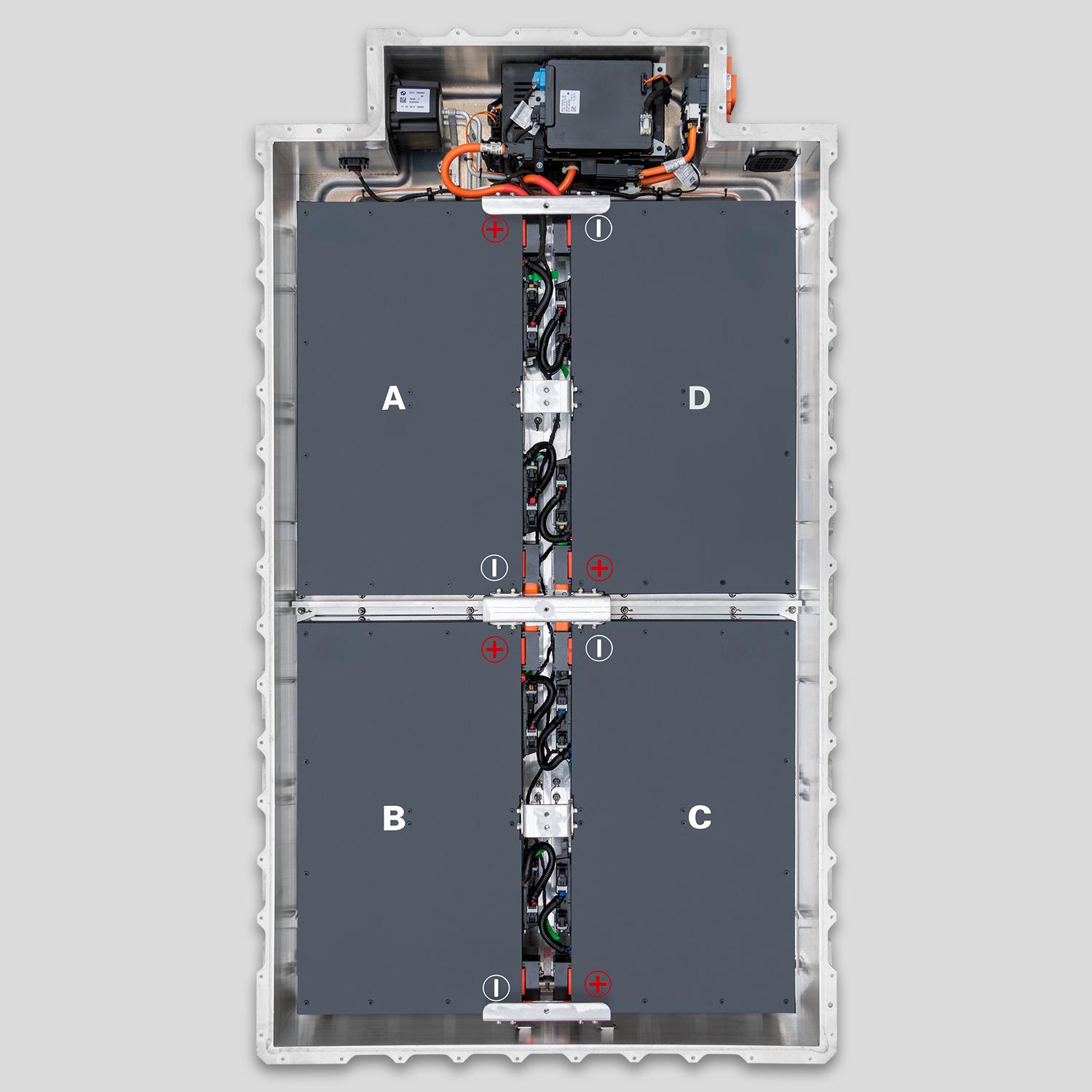
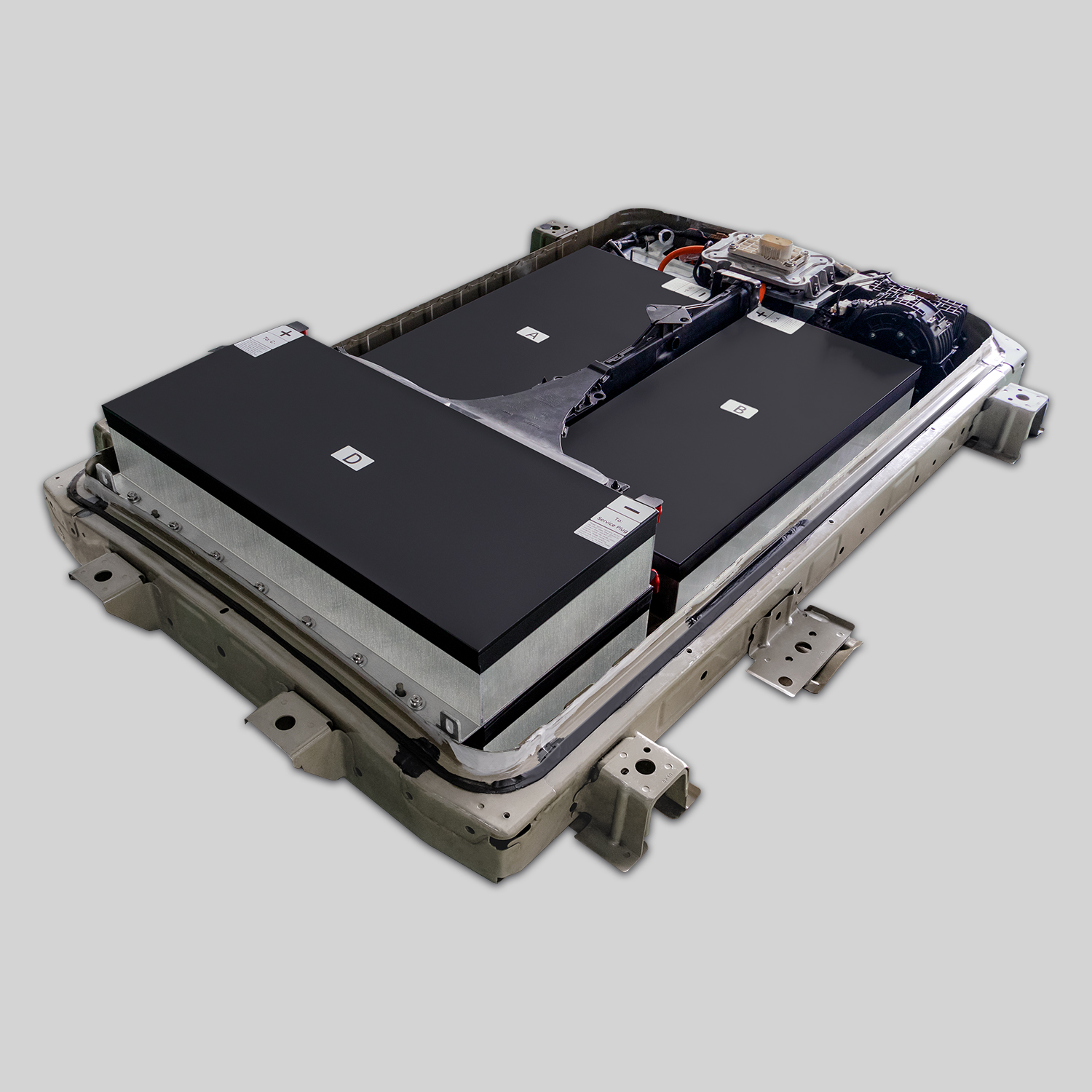
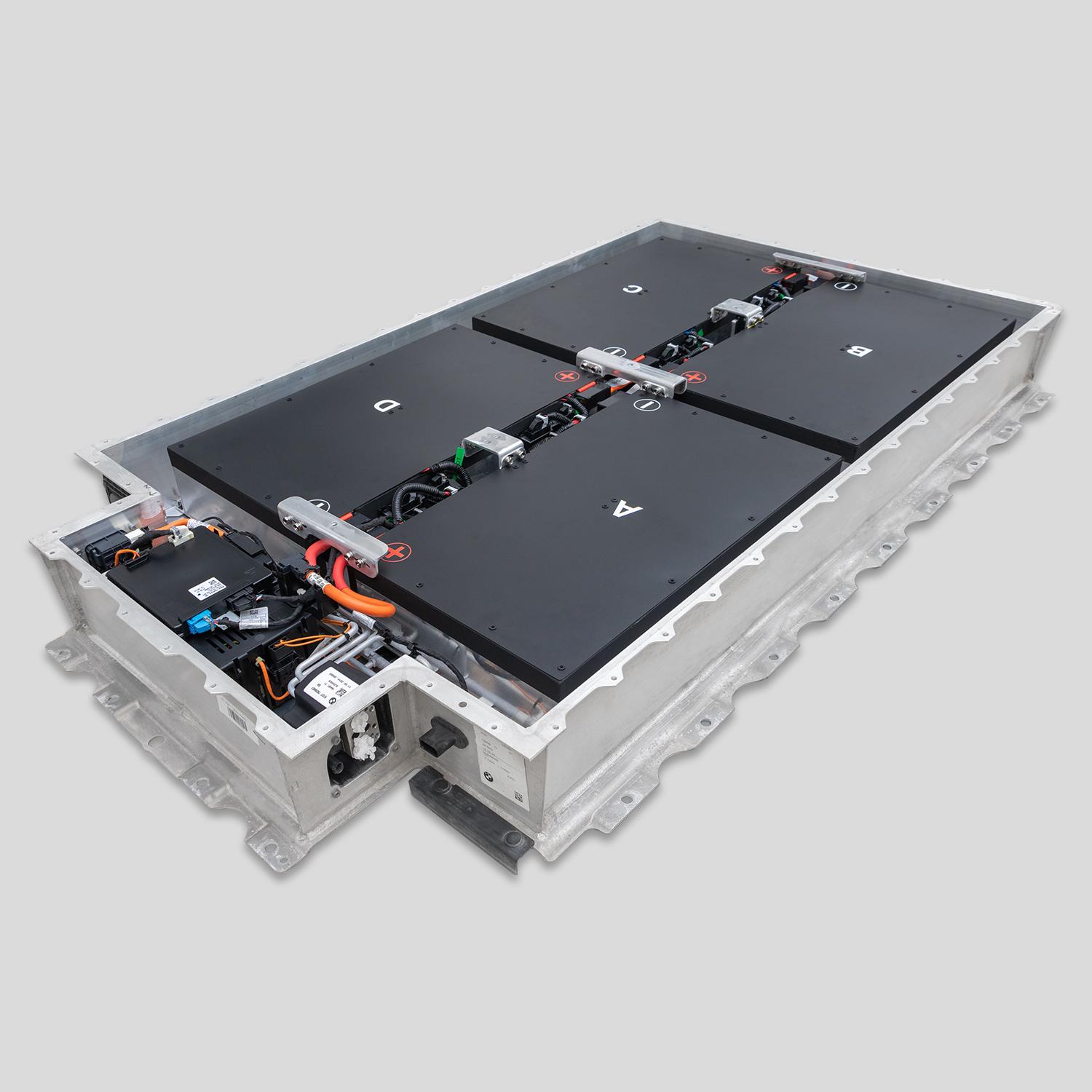
- Top-Tier Components: Upgraded batteries utilize brand-new, premium battery cells sourced from the world’s largest manufacturers. These cells are paired with advanced Battery Management Systems (BMS) that ensure optimal performance, safety, and energy efficiency.
- Plug-and-Play Compatibility: A critical factor in the popularity of these upgrades is the “plug-and-play” design. These batteries are engineered to meet OEM standards, ensuring perfect compatibility with the BMW i3’s voltage, capacity, and interface. This means no modifications are required, and the installation process is straightforward.
5. Environmental and Sustainability Factors
Beyond cost and performance, there is a growing environmental consciousness driving the upgrade trend.
- Extending Vehicle Lifespan: By replacing the battery, owners are effectively “reviving” their vehicle rather than scrapping it. This reduces the environmental impact associated with manufacturing a new car, which requires significantly more resources and energy than producing a new battery pack.
- Sustainable Innovation: Companies specializing in EV batteries are committed to sustainable innovation, using environmentally friendly materials and processes to ensure that the upgrade not only benefits the driver but also the planet.
Conclusion
The popularity of BMW i3 battery upgrades is a testament to the value they provide. By offering a cost-effective alternative to expensive factory replacements, restoring performance to “like-new” levels, and providing superior warranty protection, these upgrades make perfect sense for owners who want to continue enjoying their vehicle.
If you are facing battery degradation or simply want to enhance your driving range, upgrading your BMW i3 battery is a smart, economical, and sustainable choice.
For a personalized quote and to discuss your specific upgrade options, contact our team of technical experts.
Frequently Asked Questions (FAQ)
Q1: Is it worth replacing the battery in a BMW i3?
A: Absolutely. Given the high cost of a new BMW i3, replacing the battery with a high-quality aftermarket pack is a fraction of the price. It restores the car’s range and performance, making it a cost-effective way to keep a reliable vehicle on the road.
Q2: How long does a BMW i3 battery replacement take?
A: The installation process is typically straightforward due to the plug-and-play design. For a professional technician, the replacement usually takes about 1-2 hours. DIY users may take slightly longer, but comprehensive installation guides and videos are available to assist with the process.
Q3: What is the lifespan of a BMW i3 battery?
A: The lifespan depends on usage and maintenance. However, modern replacement batteries using new CATL cells are designed for durability. With proper care and the advanced Battery Management Systems (BMS) used in these upgrades, you can expect a long service life, often exceeding the performance of the original degraded battery.