Why BMW i3 Battery Diagnostics are Essential
A failing battery pack is the most expensive repair an electric vehicle (EV) owner can face. For BMW i3 owners, this moment often arrives silently—not with a bang, but with a gradual reduction in range or a sudden “Check Control” message. Many drivers, desperate to save money, rush into buying a replacement pack without first diagnosing the root cause. This is a critical mistake. Why are BMW i3 battery diagnostics essential? Because the problem is rarely the entire battery; it is often a solvable software glitch or a failing sensor. Understanding this distinction saves you thousands of dollars and prevents you from buying a brand-new pack you don’t actually need.
At CNS BATTERY, we have spent over a decade reverse-engineering the complex Battery Management Systems (BMS) of the BMW i3. We know that a “battery failure” is often just a communication breakdown between the cells and the computer. Before you consider a replacement, you must diagnose.
The Hidden Complexity of the BMW i3 Battery
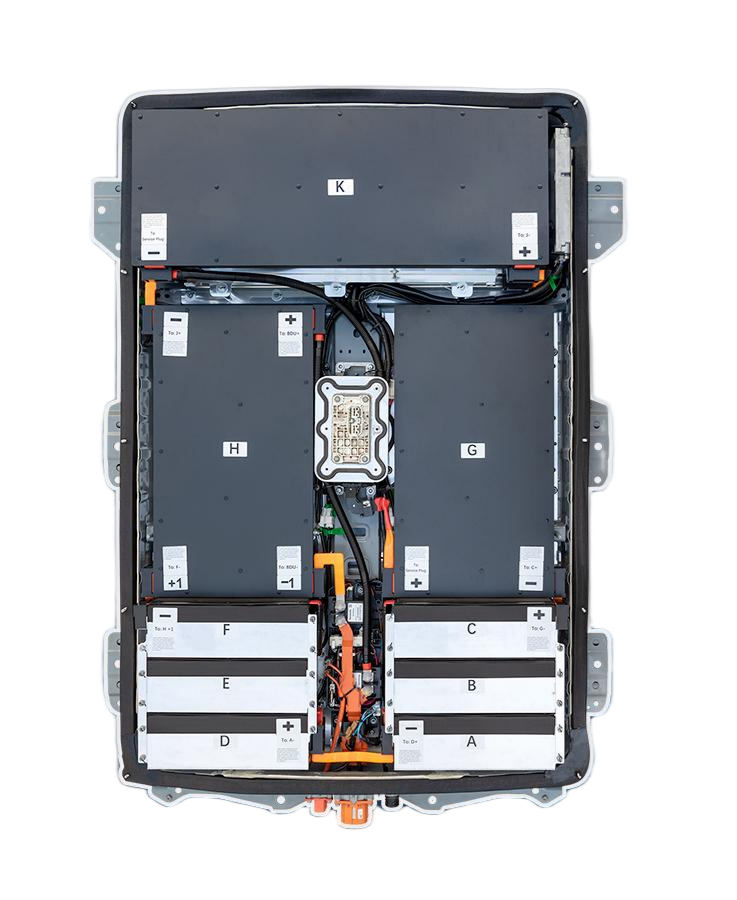
The BMW i3 is an engineering marvel, but its battery system is notoriously sensitive. Unlike simple lead-acid car batteries, the i3 uses a high-voltage Lithium-ion pack managed by a sophisticated BMS. This system monitors hundreds of individual cells, managing their temperature, voltage, and state of charge.
When something goes wrong, the car doesn’t always tell you what it is. You might see vague errors like “High Voltage System Fault” or “Reduced Power.” Without proper diagnostics, you are forced to guess. Guessing means either paying a dealership $15,000+ for a factory replacement or buying a used pack online, hoping it works. Neither option addresses the core issue: you need data.
The Three Pillars of i3 Battery Diagnostics
To truly understand why diagnostics are non-negotiable, we break down the common failure points into three categories. Proper testing identifies which pillar is compromised.
1. Cell Imbalance (The Silent Killer)
Over time, the individual cells in your battery degrade at different rates. The BMS is designed to protect the weakest cell. If one cell drops too low in voltage, the BMS shuts down the whole pack to prevent damage. A diagnostic scan can reveal this imbalance. If caught early, a simple rebalancing procedure or a replacement of just the bad modules (not the whole pack) can restore your range.
2. Sensor and Hardware Failure
The i3 battery relies on temperature sensors and voltage taps. If a sensor fails, the BMS receives incorrect data and panics, shutting the car down. This is a hardware fix, not a battery replacement. A technician with the right diagnostic tools can identify a dead sensor in minutes.
3. BMS Software Corruption
Sometimes, the hardware is perfect, but the software is corrupted. This can happen due to a bad firmware update or a power interruption. Diagnostics allow a technician to read the BMS logs, identify the corruption, and reprogram the unit.
The Cost of Skipping Diagnostics
Imagine this scenario: Your BMW i3 stops charging. You assume the battery is dead. You spend $8,000 on a brand-new replacement pack from a third-party supplier. You install it, and… the car still doesn’t work. Why? Because the original fault was a faulty charging port or a corrupted BMS, not the battery cells. Now you have a brand-new battery sitting in your garage and a broken car.
This is why CNS BATTERY insists on diagnostics. We have seen countless customers come to us with “dead” packs that were actually suffering from simple software errors. By diagnosing first, we save our customers from this expensive nightmare.
How CNS BATTERY Solves the Diagnostic Dilemma
We don’t just sell batteries; we provide solutions based on data. Our team of experts has developed proprietary diagnostic protocols specifically for the BMW i3. When you contact us, we don’t ask for your money first; we ask for your data.
The CNS Diagnostic Process:
- Error Code Analysis: We start by analyzing the specific error codes from your dashboard or OBD2 scanner.
- Data Logging: We connect to your BMS to pull real-time logs. We look at cell voltages, temperatures, and communication signals.
- Root Cause Identification: We determine if the problem is hardware (cells), software (BMS), or external (sensors, wiring).
- Solution Proposal: Only after we know the root cause do we recommend a solution. This might be a repair, a partial replacement, or a full new pack.
Upgrading vs. Replacing: Making an Informed Decision
Once diagnostics confirm that your battery does need replacement, you face another decision: replace like-for-like or upgrade?
Many i3 owners use this diagnostic moment to upgrade their range. The original i3 packs (22kWh or 33kWh) are now outdated. With CNS BATTERY, you can upgrade to a modern 45kWh, 50kWh, or even 62kWh Lithium-ion pack. These high-capacity modules use brand-new CATL cells, offering superior thermal management and longer lifespan compared to the original.
However, this upgrade requires precise diagnostics to ensure compatibility with your specific i3 model year and BMS version. You cannot simply bolt on a bigger battery; the software must be calibrated to recognize the new capacity. This is another reason why diagnostics are essential—they ensure the new hardware and software speak the same language.
The CNS BATTERY Advantage
Why trust your BMW i3 diagnostics to us?
- OEM-Level Compatibility: Our packs are engineered to meet original factory standards, ensuring seamless integration after a diagnosis confirms replacement is needed.
- Unbeatable Warranty: We back our diagnostics and products with a 2-year / 80,000 km warranty, far exceeding industry standards. This covers defects in materials and workmanship, giving you peace of mind that the diagnosed issue won’t return.
- Expert Technical Support: Our team doesn’t just ship a box. We provide step-by-step installation guides and video call support to help you through the process, ensuring the new battery integrates perfectly with your vehicle’s systems.
Conclusion
Don’t guess when you can test. If your BMW i3 is showing battery errors, the worst thing you can do is panic and buy a replacement blindly. Why are BMW i3 battery diagnostics essential? Because they transform a high-stakes gamble into a calculated repair. They save you money, prevent wasted time, and ensure you get exactly what you need.
If you are facing a battery issue, contact CNS BATTERY first. Let our experts analyze the data. Whether you need a simple sensor fix or a complete pack replacement, we will guide you through the process with honesty and technical expertise.
Contact our technical experts now for a free diagnostic consultation and get your BMW i3 back on the road.
Frequently Asked Questions (FAQ)
Q: Can I diagnose my BMW i3 battery myself?
A: While basic OBD2 scanners can read dashboard error codes, diagnosing the internal BMS and cell health requires specialized software and hardware. We recommend contacting a professional or our technical team for a full analysis.
Q: What happens if I install a new battery without clearing the BMS fault?
A: If the fault lies in the BMS software (not the cells), installing a new battery will not fix the problem. The car will likely throw the same error code and refuse to operate, leaving you with a dead car and a wasted battery.
Q: How long does a professional battery diagnostic take?
A: A thorough diagnostic, including data logging and analysis, typically takes between 30 minutes to 1 hour for a qualified technician.
Q: Do you sell refurbished BMW i3 batteries?
A: No, we do not sell refurbished batteries. We specialize in brand-new Lithium-ion battery packs using premium CATL cells to ensure maximum safety, range, and lifespan. Refurbished packs often contain degraded cells and pose a higher risk of failure.