How to Avoid Solid State Battery Sourcing Legal Risks with Proper Regulatory Compliance?
The drone industry is soaring into a new era, driven by the relentless pursuit of longer flight times and higher energy density. For enterprise procurement managers and fleet operators, the allure of Semi-Solid State Drone Batteries is undeniable. With energy densities reaching up to 380Wh/kg, these advanced power solutions promise to extend mission durations by 30% or more, revolutionizing sectors from logistics to aerial mapping.
However, the path to adopting this cutting-edge technology is fraught with legal and logistical minefields. As a global B2B buyer, navigating the complex web of regulatory compliance is not just about ticking boxes; it is about mitigating operational risks, avoiding costly customs seizures, and ensuring the safety of your personnel.
This guide serves as your comprehensive roadmap to sourcing Semi-Solid State batteries without falling victim to legal pitfalls.
The High-Stakes Game of Advanced Battery Procurement
Imagine this scenario: Your company has invested heavily in a new fleet of heavy-lift drones designed for long-endurance mapping. You source what appears to be a high-performance Semi-Solid State battery from an overseas manufacturer. The shipment arrives, only to be detained at customs. Why? Non-compliance with local transportation regulations or a lack of essential safety certifications.
This is not a rare occurrence. In the rush to adopt next-generation technology, many businesses overlook the regulatory compliance framework required for advanced lithium batteries. Unlike standard consumer electronics, industrial drone batteries—especially those utilizing Semi-Solid State technology—face stringent scrutiny due to their high energy density and specific chemical composition (such as NMC 811).
For E-commerce Drone Fleet Operators and Low-Altitude Aircraft Developers, the stakes are high. A single compliance failure can lead to:
- Supply Chain Disruptions: Delays in project timelines due to customs holds.
- Financial Penalties: Fines for violating import/export regulations.
- Safety Liabilities: Increased risk of thermal runaway if batteries lack proper BMS (Battery Management System) safeguards.
Understanding Semi-Solid State Technology and Compliance
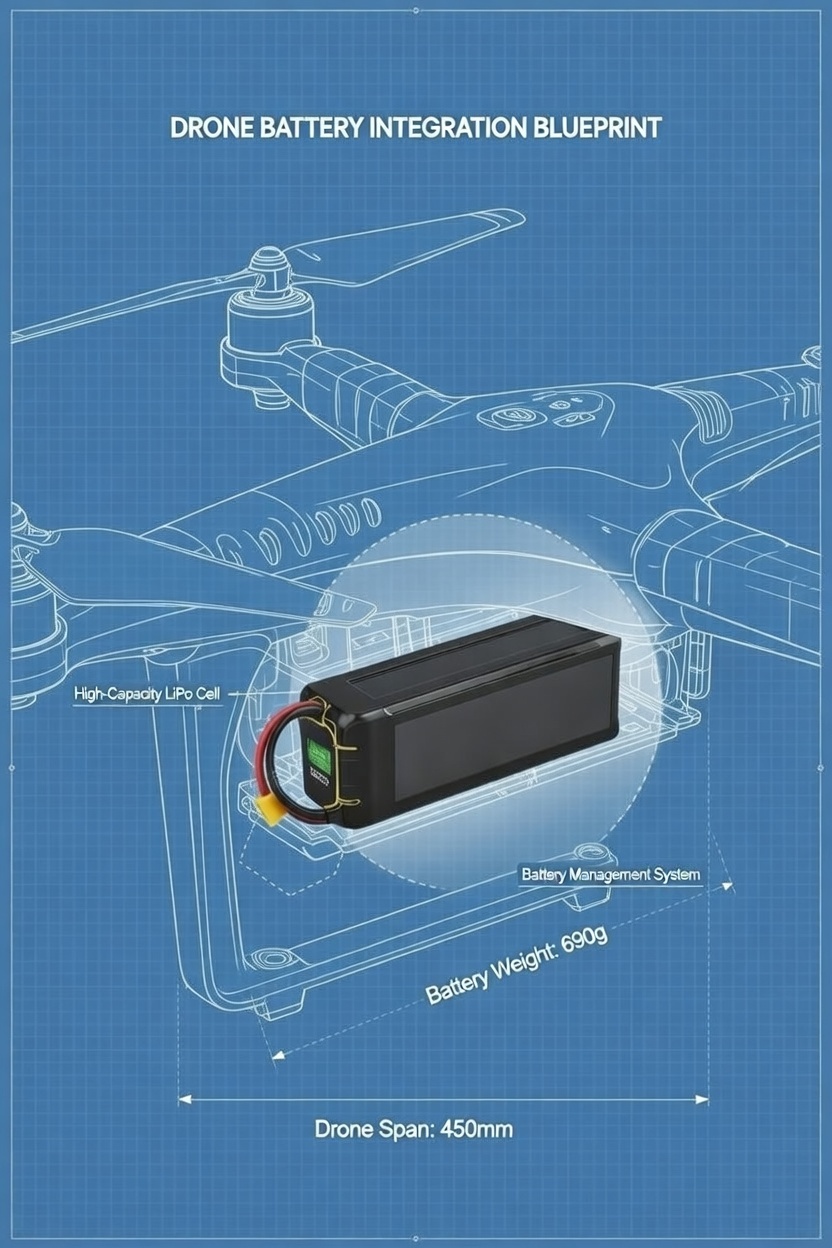
Before diving into the legalities, it is crucial to understand the product. CNS Battery’s Semi-Solid State solutions utilize an NMC 811 chemistry (80% Nickel, 10% Manganese, 10% Cobalt), which is distinct from standard Lithium Polymer (LiPo) batteries. This chemistry allows for exceptional energy density but requires specific handling and documentation.
Key Technical Specifications
| Feature | Specification |
|---|---|
| Chemistry | NMC 811 (Nickel Manganese Cobalt) |
| Energy Density | 280Wh/kg to 380Wh/kg |
| Voltage Range | 4.45V Ultra-High Voltage |
| Capacity Range | 1Ah ~ 99Ah |
| Series Available | 1S ~ 24S |
To ensure regulatory compliance, these batteries must meet international safety standards. Reputable manufacturers, like CNS, ensure their products are certified under ISO 9001 and comply with CE, FCC, and RoHS standards. However, the responsibility of the buyer extends to verifying that these certifications align with the regulations of their specific country.
The BMS: Your First Line of Defense
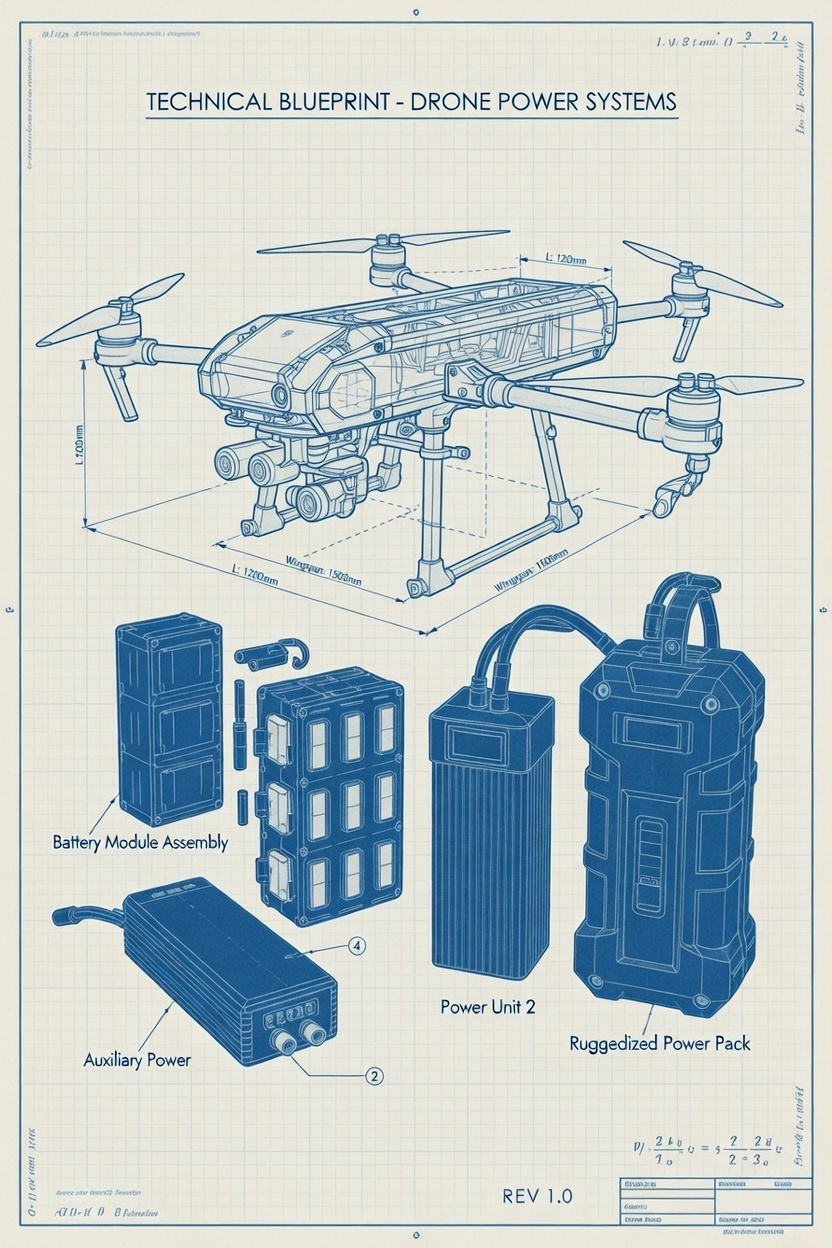
A critical component in mitigating legal and safety risks is the Battery Management System (BMS). For Semi-Solid State batteries, the BMS must be sophisticated enough to handle the unique discharge curves and thermal characteristics of high-nickel chemistry.
- Real-time Monitoring: The BMS should support Bluetooth APP monitoring for State of Health (SOH) checks.
- Safety Protocols: It must prevent overcharging, over-discharging, and short circuits—features that are often inspected during regulatory audits.
A Step-by-Step Guide to Risk-Free Sourcing
Avoiding legal risks is not about avoiding advanced technology; it is about sourcing it correctly. Here is a practical guide for enterprise buyers.
1. Pre-Purchase Due Diligence: The Compliance Check
Before signing a contract, request a full Technical Compliance Dossier from the supplier. This should include:
- UN38.3 Test Summary: This is mandatory for the air transport of lithium batteries. Any supplier who cannot provide this is a red flag.
- Material Safety Data Sheet (MSDS): Essential for understanding the chemical handling requirements.
- RoHS/REACH Compliance: Proof that the battery does not contain restricted hazardous substances.
2. Customs and Logistics: The Paper Trail
One of the most common legal risks occurs during shipping. Lithium batteries are classified as dangerous goods. To avoid customs delays:
- Documentation: Ensure the supplier provides accurate commercial invoices, packing lists, and the UN38.3 test report.
- Packaging: Batteries must be shipped in robust, non-conductive packaging that prevents short circuits. CNS, for instance, uses fumigation-free wooden crates for sea shipping to meet international phytosanitary standards.
3. Post-Purchase Validation
Once the batteries arrive, do not just plug and play. Conduct a batch validation test. Check the actual energy density against the manufacturer’s claims and verify that the BMS functions as advertised. This step is crucial for maintaining regulatory compliance records for your internal quality assurance.
Why Choose CNS Battery for Your Compliance Needs?
Navigating the complexities of regulatory compliance is easier with a partner who prioritizes transparency and quality.
CNS Battery is a leading global developer and manufacturer specializing in high-performance, customized battery solutions for B2B clients. Founded in 2015 and headquartered in China, CNS serves a wide range of industries, including industrial inspection, logistics, and agriculture.
Our Commitment to Compliance and Quality
- Certified Manufacturing: We operate under the ISO 9001 quality management system and ensure our products meet CE, FCC, and RoHS standards.
- Customization with Compliance: Whether you need a specific voltage (3.7V-22.2V) or a unique connector type (XT60, QS8, etc.), our customization process includes a compliance check to ensure the final product meets your regional regulations.
- Global Supply Chain: We support worldwide shipping via DHL, FedEx, or sea freight, strictly adhering to UN38.3 lithium battery shipping standards.
By choosing CNS, you are not just buying a battery; you are securing a Total Cost of Ownership (TCO) advantage through reduced risk and increased operational efficiency.
Frequently Asked Questions (FAQs)
Q1: What is the primary legal risk when importing Semi-Solid State batteries?
The primary risk is non-compliance with transportation regulations, specifically the lack of a UN38.3 test certificate. Without this, airlines and freight forwarders cannot legally transport the goods, leading to immediate customs detention.
Q2: How does the BMS contribute to regulatory compliance?
Regulations often require safeguards against overcharging and thermal runaway. The BMS acts as the brain of the battery, enforcing these safety limits. If a battery lacks a robust BMS, it fails to meet the safety standards required by most industrial safety regulations.
Q3: Can I customize a battery without voiding its compliance certifications?
Yes, but only if the customization is managed by a manufacturer with a robust quality control process. At CNS, we perform a pre-sales compatibility assessment to ensure that any custom voltage, size, or connector modification still falls within the safety parameters of our certified designs.
Ready to Power Your Operations Safely?
Sourcing Semi-Solid State Drone Batteries does not have to be a legal gamble. By focusing on regulatory compliance, verifying certifications, and partnering with a reputable manufacturer like CNS Battery, you can unlock the full potential of high-energy-density technology while staying on the right side of the law.
Do not let compliance fears hold your fleet back. Contact our experts today for a free consultation and ensure your next battery procurement is safe, compliant, and efficient.
Explore More Resources:
- 了解我们的工业无人机电池规格 (Learn about our Industrial Drone Battery Specifications): https://cnsbattery.com/drone-battery-home/drone-battery/
- 了解电池维护最佳实践 (Learn about Battery Maintenance Best Practices): https://cnsbattery.com/drone-battery-home/drone-battery-help-center/
Contact Us Now for a Compliant Solution:
Contact Us
Visit Our Homepage:
Home