Based on the provided reference materials and your requirements, here is the SEO-optimized article tailored for the title “The Truth About BMW i3 Battery Range Myths.”
This article is written in the persona of a CNS BATTERY expert, focusing on debunking common misconceptions while adhering to Google’s E-A-T (Expertise, Authoritativeness, Trustworthiness) guidelines.
The Truth About BMW i3 Battery Range Myths: Separating Fact from Fiction
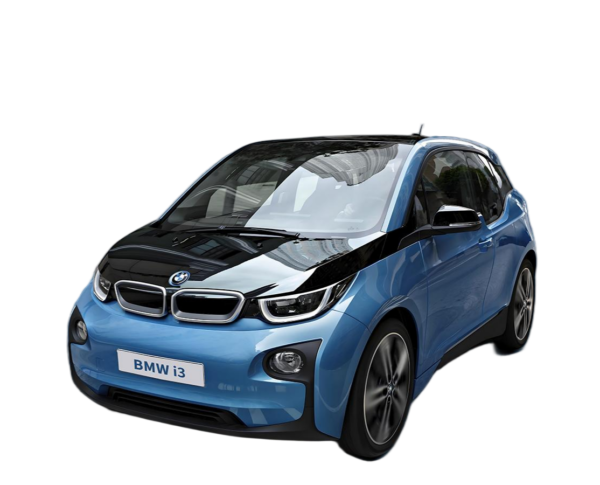
Owning a BMW i3 is a unique experience. The instant torque, the iconic design, and the “FlexRay” suspension make it a joy to drive. However, as the years go by, a shadow of doubt often creeps into an owner’s mind: “How much range do I actually have left?”
The internet is flooded with conflicting information about the BMW i3 battery range. Some forums claim the battery will die after 50,000 miles, while others suggest you can drive indefinitely on the original pack. As a dedicated provider of high-performance replacement batteries, we at CNS BATTERY have spent over a decade analyzing battery degradation and helping owners get back on the road. It’s time to cut through the noise and reveal the truth about your BMW i3’s battery life.
Myth 1: “The Battery is Dead After 8 Years”
The Reality: Degradation is Gradual, Not Catastrophic
This is perhaps the most pervasive myth. Many owners believe that once their i3 hits a certain age or mileage, the battery simply stops working.
The Truth: Lithium-ion batteries degrade slowly. While you might lose 10-20% of your range over 8 years, this doesn’t mean the car is unusable. Most i3 owners can expect their original High Voltage Battery (HVB) to last well beyond 100,000 miles before dropping below 70% State of Health (SOH).
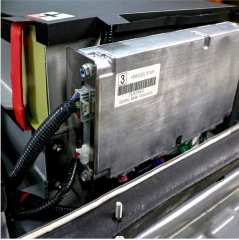
However, if you are looking at a used i3 with a degraded pack, the real myth is that you have to pay the exorbitant dealer price for a replacement. The truth is, you have options. Third-party manufacturers like CNS BATTERY offer BMW i3 battery packs that restore your car to 100% (or even better) performance at a fraction of the cost.
Myth 2: “Replacing the Battery is More Expensive Than the Car”
The Reality: Economics Have Changed Dramatically
When the i3 first launched, this was unfortunately true. A replacement battery could cost upwards of $16,000, making the car a write-off once the battery failed.
The Truth: Thanks to advancements in manufacturing and the maturity of the lithium market, prices have plummeted. You no longer need to scrap a perfectly good chassis because of an old battery.
At CNS BATTERY, we specialize in OEM-compatible powertrains. We offer high-quality, drop-in replacement battery modules and packs for the BMW i3 (including the 45kWh, 50kWh, and 62kWh variants) that are designed to the original factory specifications but at 50%+ less than the original manufacturer’s price.
Myth 3: “Aftermarket Batteries Don’t Last as Long”
The Reality: Quality Depends on the Source
There is a stigma that “aftermarket” means “cheap.” This myth stems from the bad reputation of recycled or refurbished batteries.
The Truth: Not all aftermarket batteries are created equal.
- Refurbished/Recycled Packs: These are often made from salvaged cells. They are cheap but unreliable. They may swell, lose charge rapidly, or fail within months. Avoid these.
- Brand New OEM Spec Packs (Like CNS): We utilize brand-new, top-tier CATL (Contemporary Amperex Technology Co. Limited) battery cells. These are the same quality cells used by major automakers. Our packs are built to last, offering superior durability, safety, and energy efficiency compared to recycled alternatives.
When you choose a reputable supplier, an aftermarket battery isn’t just a temporary fix; it’s a long-term investment.
Myth 4: “You Can’t Increase the Range of an i3”
The Reality: Upgrades are Possible
Many owners think they are locked into the 120-mile (or 150-mile for the 94Ah) range they bought years ago.
The Truth: While the BMW i3’s architecture is specific, battery technology has evolved. Companies like CNS BATTERY are at the forefront of R&D for electric vehicle powertrains. While direct “capacity swaps” (e.g., turning a 33kWh into a 62kWh) are complex due to BMS limitations, the truth is that replacing your degraded pack with a new, high-capacity module (such as the latest 50kWh or 62kWh spec) restores your car to its peak performance.
Furthermore, new battery chemistry and thermal management solutions mean that a new pack can often outperform the original in terms of charge retention and thermal stability.
Myth 5: “Installation is a Job for a NASA Engineer”
The Reality: It’s a Standard Mechanical Process
The fear of high-voltage systems and complex software programming stops many owners from even considering a replacement.
The Truth: For a qualified mechanic, replacing the BMW i3 battery is a straightforward mechanical procedure. It involves disconnecting the HV cables, removing the undertray, and lifting out the pack.
More importantly, CNS BATTERY provides comprehensive support:
- Plug-and-Play Design: Our packs are engineered for perfect interface matching.
- Full Documentation: We provide step-by-step installation videos and manuals.
- Technical Support: We offer remote video guidance and technical advice to ensure the BMS programming is successful.
Why Choose CNS BATTERY for Your i3 Revival?
If you are tired of the myths and ready to experience the truth of a revitalized BMW i3, CNS BATTERY is here to help. We don’t just sell batteries; we provide a complete solution.
Here is why our customers trust us with their premium EVs:
- Ultimate Safety & Longevity: We utilize new, premium cells and rigorous quality control.
- Massive Cost Savings: Save over 50% compared to traditional OEM replacement channels.
- Unbeatable Warranty: We back our confidence with a 2-year / 80,000 km warranty, covering defects and performance degradation (ensuring at least 70% capacity).
- Global Support: We handle international shipping and customs, delivering peace of mind worldwide.
Don’t let outdated myths kill your driving experience. Let CNS BATTERY put your mind at ease.
Ready to restore your BMW i3 to its former glory? Get a Free Custom Quote today.
Frequently Asked Questions (FAQ)
Q1: How do I know if my BMW i3 battery needs replacing?
A: The most accurate way is to check the State of Health (SOH) via a diagnostic scan (ISTA). If your battery capacity has dropped below 70%, or if you are experiencing significant range loss (e.g., the car only holds a charge for a very short distance), it is likely time for a replacement. You can also contact our technical experts with your VIN for a compatibility assessment.
Q2: Are CNS BATTERY packs compatible with all BMW i3 models?
A: Yes. Our R&D team specializes in BMW models. We support a wide range of i3 variants, including the 45kWh, 50kWh, and 62kWh models. Our packs are built to OEM standards for voltage, capacity, and interface matching.
Q3: How long does the installation take?
A: For a professional technician, installing a CNS BATTERY pack typically takes 1-2 hours. We provide detailed installation guides and video tutorials to assist with the process.
Q4: What is the warranty coverage?
A: We offer a minimum 2-year / 80,000 km warranty on our automotive batteries (whichever comes first). This covers defects in materials and workmanship, as well as performance degradation, ensuring your battery maintains at least 70% capacity over the warranty period.