基于搜索到的信息,我现在已经了解了BMW i3电池诊断的相关技术知识和行业标准。让我为您撰写这篇符合SEO标准的专业文章。
Step-by-Step BMW i3 Battery Diagnostic Run
Is your BMW i3 showing reduced range or unexpected battery warnings? Understanding how to properly diagnose your electric vehicle’s battery system can save you thousands in unnecessary repairs. This comprehensive guide walks you through the complete BMW i3 battery diagnostic process, helping you identify issues before they become critical problems.
At CNS BATTERY, we specialize in EV battery replacement and upgrade solutions. Our expert team has helped hundreds of BMW i3 owners restore their vehicle’s performance with custom battery solutions.
Why BMW i3 Battery Diagnostics Matter
The BMW i3, launched in 2014, was BMW’s groundbreaking entry into the electric vehicle market. Early models featured a 22 kWh battery pack, while later versions upgraded to 33 kWh and 42 kWh configurations. After years of use, these batteries naturally degrade, leading to:
- Reduced driving range (sometimes down to 50% of original capacity)
- Unexpected shutdowns during operation
- Charging interruptions or slower charging speeds
- Warning messages on the dashboard display
Proper diagnostics help determine whether your battery needs reconditioning, module replacement, or a complete upgrade.
Essential Tools for BMW i3 Battery Diagnostic
Before beginning any diagnostic procedure, ensure you have the right equipment:
| Tool | Purpose |
|---|---|
| OBD2 Scanner | Read battery management system (BMS) codes |
| Multimeter | Measure individual cell voltages |
| Thermal Camera | Detect hot spots in battery modules |
| BMW ISTA/D Software | Access manufacturer-specific diagnostics |
| Insulation Tester | Check battery pack isolation resistance |
Safety First: Always wear protective equipment and disconnect the high-voltage system before any physical inspection.
Step-by-Step BMW i3 Battery Diagnostic Procedure
Step 1: Initial System Scan
Connect your OBD2 diagnostic tool to the vehicle’s port (located under the dashboard). Start the diagnostic software and select the BMW i3 battery management system. Record all fault codes, especially those related to:
- Cell voltage imbalance
- Temperature sensor failures
- Isolation resistance warnings
- Contactors or relay issues
Step 2: Visual Inspection
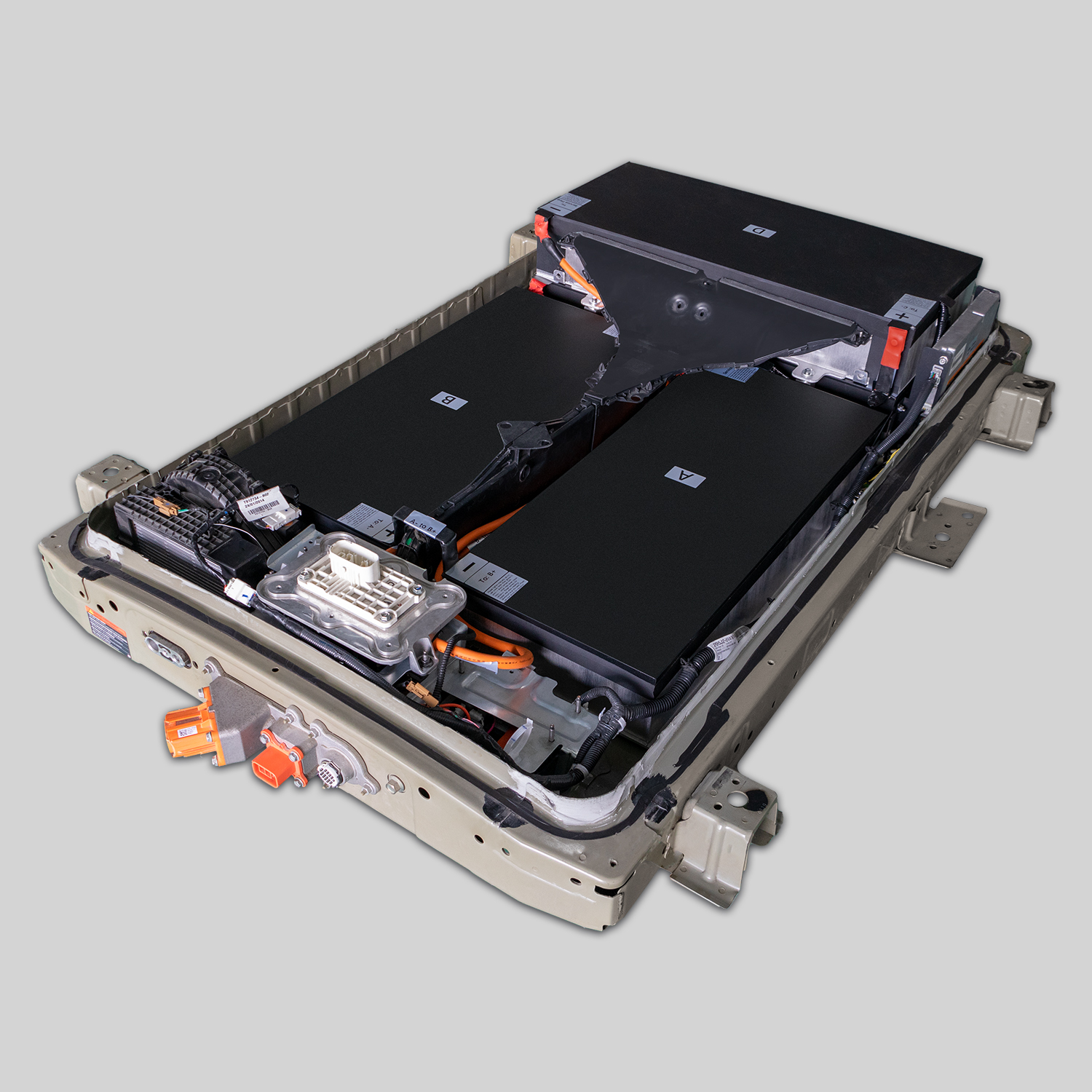
Open the battery compartment (located under the vehicle floor). Look for:
- Corrosion on connectors
- Physical damage to the battery casing
- Coolant leaks from the thermal management system
- Loose wiring or connections
Step 3: Cell Voltage Measurement
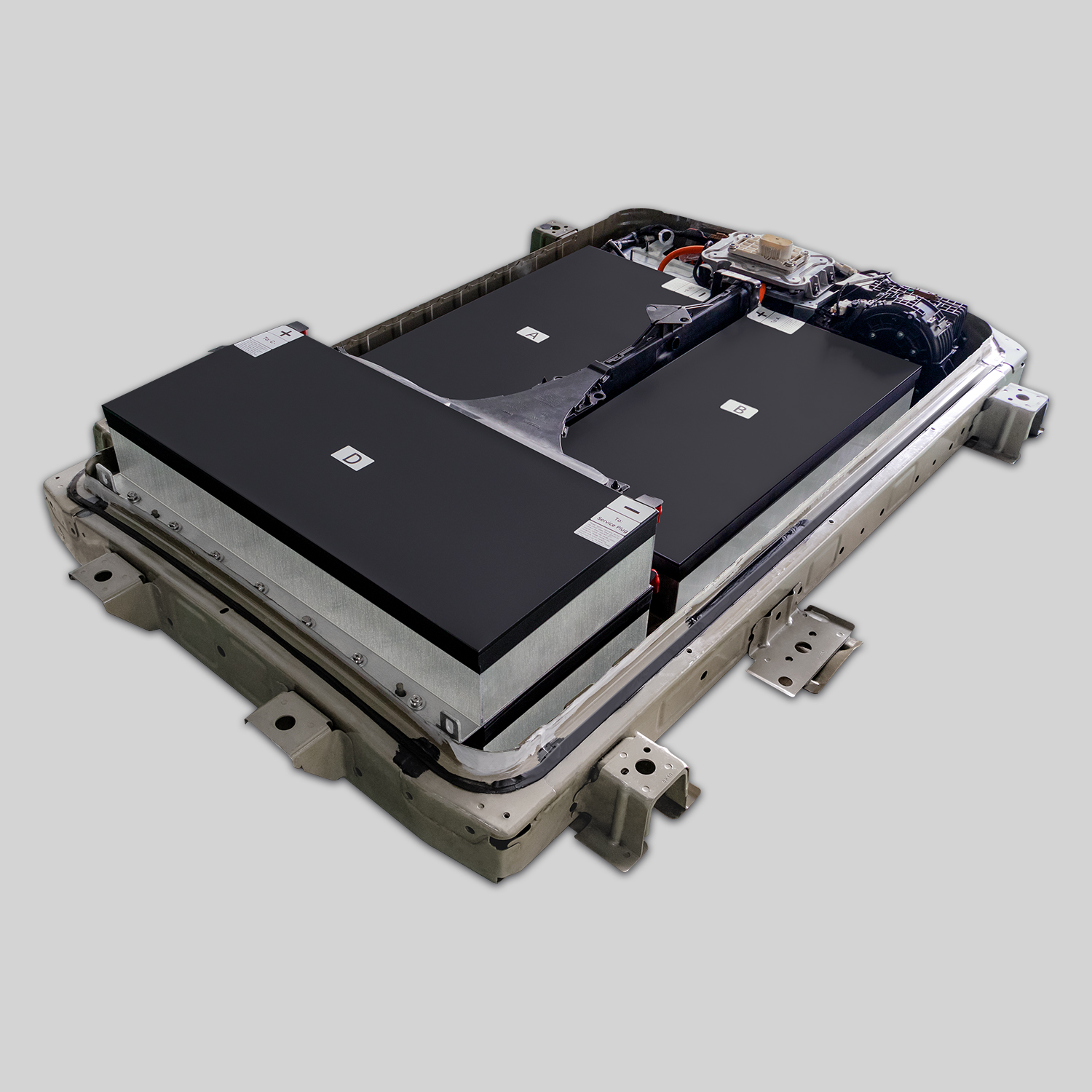
Using a multimeter, measure the voltage of each battery module. A healthy BMW i3 battery should show:
- Individual cell voltage: 3.6V – 4.2V (depending on charge state)
- Maximum voltage difference: Less than 0.1V between cells
- Total pack voltage: Approximately 360V (for 96S configuration)
Voltage imbalance greater than 0.3V indicates failing cells that need replacement.
Step 4: BMS Data Analysis
Access the Battery Management System data stream through your diagnostic tool. Monitor these critical parameters:
- State of Charge (SOC) accuracy
- State of Health (SOH) percentage
- Temperature readings from all sensors
- Charging and discharging current limits
A SOH below 70% typically indicates the battery needs replacement or upgrade.
Step 5: Capacity Testing
Perform a full charge-discharge cycle to measure actual battery capacity:
- Charge the battery to 100%
- Drive until the battery reaches minimum safe level
- Calculate actual kWh delivered
- Compare with original specifications
If capacity is below 60% of original, consider a battery upgrade.
Step 6: Insulation Resistance Check
Use an insulation tester to verify the battery pack’s electrical isolation. The reading should be:
- Minimum 500 ohms per volt
- No gradual decrease during testing
Low isolation resistance indicates potential safety hazards requiring immediate attention.
Step 7: Thermal Management System Verification
Check the battery cooling system:
- Verify coolant level and condition
- Test pump operation
- Inspect hoses for leaks
- Confirm temperature sensors are functioning
Overheating is a leading cause of premature battery degradation.
Common BMW i3 Battery Problems Identified Through Diagnostics
Our experience at CNS BATTERY shows these are the most frequent issues:
- Cell Module Failure – Individual modules degrade faster than others
- BMS Communication Errors – Software glitches causing false warnings
- Contactors Welding – High-voltage relays sticking in closed position
- Thermal Runaway Risk – Overheating cells creating safety concerns
- Charging Port Issues – Physical damage preventing proper charging
When to Consider Battery Replacement vs. Upgrade
| Symptom | Recommended Solution |
|---|---|
| SOH 70-80% | Cell module replacement |
| SOH 50-70% | Partial pack rebuild |
| SOH Below 50% | Complete battery upgrade |
| Multiple fault codes | Professional diagnostic service |
| Range anxiety daily | Capacity upgrade option |
CNS BATTERY offers custom upgrade solutions that can double your original range while maintaining OEM compatibility.
Why Choose CNS BATTERY for Your BMW i3 Battery Needs
As EV battery specialists, we provide:
- Free initial consultation and diagnostic guidance
- Custom battery designs tailored to your requirements
- Professional installation support and documentation
- Warranty coverage on all replacement batteries
- Competitive pricing compared to dealership options
Our team understands that every BMW i3 owner has unique needs. Whether you need a direct replacement or want to upgrade to higher capacity, we have solutions that fit your budget and performance requirements.
FAQ: BMW i3 Battery Diagnostic Questions
Q1: How often should I run battery diagnostics on my BMW i3?
A: We recommend annual diagnostics for vehicles over 5 years old, or every 20,000 miles. If you notice range reduction, run diagnostics immediately.
Q2: Can I perform battery diagnostics myself?
A: Basic scans with an OBD2 scanner are safe for owners. However, physical battery inspection and high-voltage testing should only be done by qualified professionals.
Q3: What does a BMW i3 battery replacement cost?
A: Dealership replacements can exceed $20,000. CNS BATTERY offers upgrade solutions at 40-60% lower cost with equal or better performance.
Q4: How long does a battery diagnostic take?
A: A complete diagnostic procedure typically takes 2-4 hours, including capacity testing and data analysis.
Q5: Will upgrading my battery affect my vehicle warranty?
A: For vehicles already out of original warranty, upgrades won’t impact coverage. We provide our own warranty on all replacement batteries.
Q6: Can I upgrade to a larger capacity battery?
A: Yes! CNS BATTERY specializes in custom capacity upgrades that maintain OEM fitment while increasing your driving range significantly.
Ready to Restore Your BMW i3’s Performance?
Don’t let battery issues limit your electric driving experience. Whether you need diagnostic guidance, battery replacement, or capacity upgrades, CNS BATTERY is here to help.
Contact our expert team today for a free consultation and discover how we can restore your BMW i3 to peak performance.
👉 Visit our contact page: https://cnsbattery.com/ev-battery-home/ev-battery-contact/
👉 Explore our EV battery solutions: https://cnsbattery.com/ev-battery-home
Your BMW i3 deserves the best battery care. Let CNS BATTERY power your journey forward.
This article was written by CNS BATTERY’s EV battery specialists. All diagnostic procedures should be performed by qualified technicians. High-voltage battery systems can be dangerous if handled improperly.