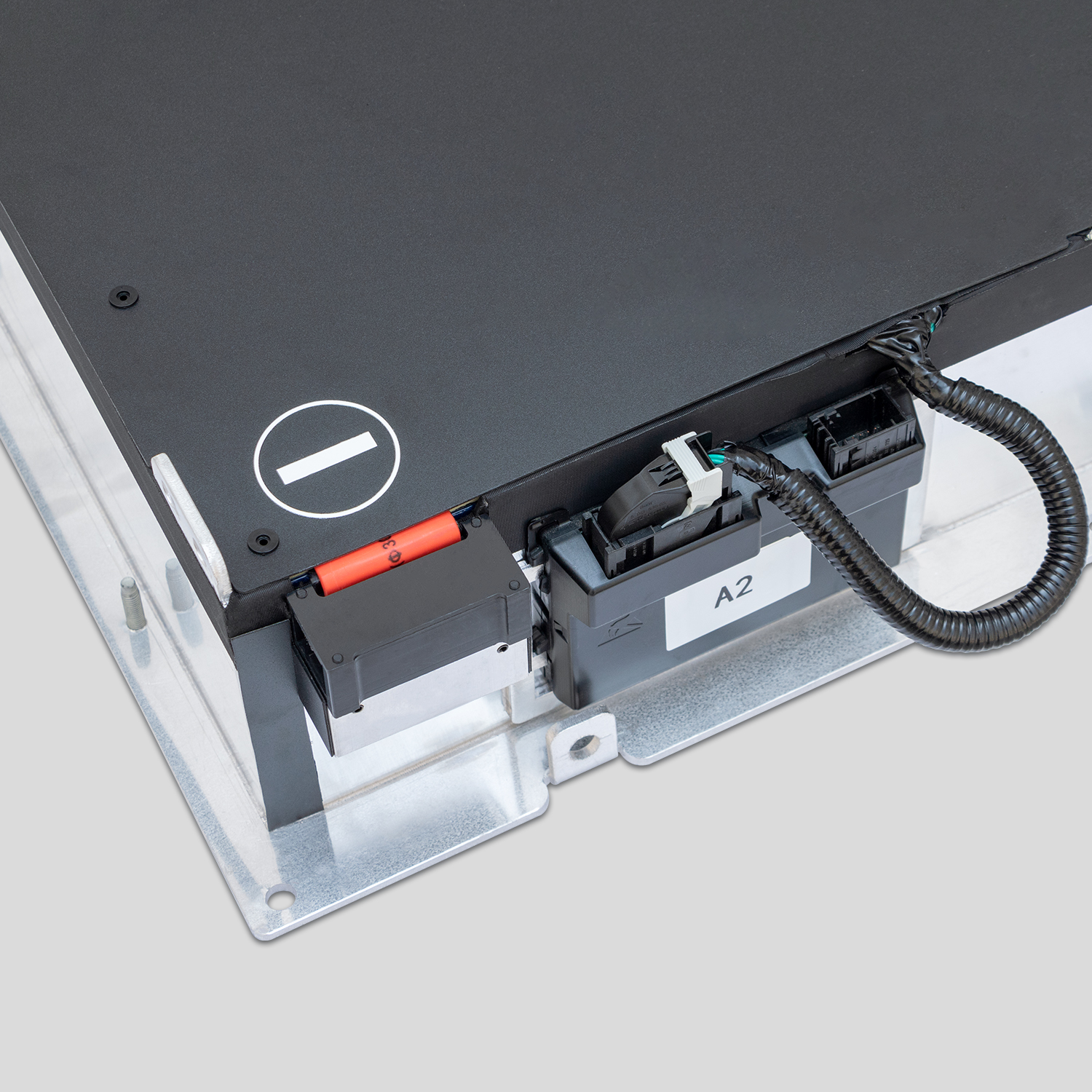
Step-by-Step BMW i3 Battery Charging Setup: Complete Guide for Optimal Performance
Owning a BMW i3 is an exciting commitment to sustainable driving, but maximizing your battery’s lifespan requires proper charging knowledge. Whether you’re a new i3 owner or considering a battery upgrade, understanding the correct charging setup is essential for long-term performance and reliability.
At CNS BATTERY, we specialize in BMW i3 battery replacement and upgrade solutions, helping drivers extend their vehicle’s life with premium battery technology. This guide walks you through everything you need to know about setting up your BMW i3 charging system correctly.
Understanding Your BMW i3 Battery System
The BMW i3 features a lithium-ion battery pack designed for efficient energy storage and delivery. Depending on your model year, battery capacity ranges from 22 kWh to 42.2 kWh, with newer models offering extended range options.
Key Battery Specifications:
- Voltage: 360V nominal
- Chemistry: Lithium-ion NMC (Nickel Manganese Cobalt)
- Charging Ports: AC Type 2 and DC CCS Combo
- Thermal Management: Active liquid cooling system
Understanding these specifications helps you make informed decisions about charging habits and potential battery upgrades.
Step 1: Choose the Right Charging Equipment
Not all chargers are created equal. Selecting appropriate charging equipment is the foundation of a safe and efficient charging setup.
Home Charging Options
| Charger Type | Power Output | Charging Time (0-80%) | Best For |
|---|---|---|---|
| Level 1 (120V) | 1.4 kW | 20+ hours | Emergency use |
| Level 2 (240V) | 7.4 kW | 4-6 hours | Daily home charging |
| DC Fast Charger | 50-150 kW | 30-45 minutes | Quick top-ups |
We recommend installing a Level 2 home charger for most i3 owners. This provides the best balance between charging speed and battery health preservation.
Step 2: Install Your Home Charging Station
Professional installation ensures safety and compliance with local electrical codes. Here’s what the installation process involves:
Installation Checklist
- Assess Your Electrical Panel – Verify your home can support a 240V circuit
- Choose Installation Location – Garage or covered area near parking spot
- Hire Certified Electrician – Ensure proper wiring and circuit breaker installation
- Mount Charging Unit – Secure wall-mounted or pedestal installation
- Test Connection – Verify proper communication between charger and vehicle
Pro Tip: CNS BATTERY partners with certified installers nationwide to ensure your charging infrastructure meets all safety standards.
Step 3: Configure Charging Settings in Your i3
Your BMW i3 offers customizable charging preferences through the vehicle’s iDrive system and My BMW app.
Essential Settings to Configure
- Charging Mode: Select between Immediate or Delayed charging
- Charge Limit: Set maximum charge level (we recommend 80% for daily use)
- Preconditioning: Schedule cabin heating/cooling while plugged in
- Charging Schedule: Take advantage of off-peak electricity rates
To access these settings: Navigate to Car > Settings > Charging in your iDrive menu, or use the My BMW mobile application for remote configuration.
Step 4: Establish Optimal Charging Habits
How you charge matters as much as what you charge with. Following best practices extends battery lifespan significantly.
Best Practices for Battery Longevity
Avoid Extreme Charge Levels: Keep your battery between 20% and 80% for daily driving. Reserve 100% charges for long trips only.
Mind the Temperature: Extreme heat or cold affects charging efficiency. Park in shaded areas during summer and use preconditioning in winter.
Limit DC Fast Charging: While convenient, frequent DC fast charging accelerates battery degradation. Use Level 2 charging for 90% of your needs.
Regular Monitoring: Check your battery health periodically through the iDrive system or diagnostic tools.
Step 5: Monitor Battery Health and Performance
Proactive monitoring helps identify issues before they become problems. Your BMW i3 provides several tools for tracking battery condition.
Key Metrics to Track
- State of Charge (SOC): Current battery level percentage
- State of Health (SOH): Overall battery capacity compared to new
- Charging Speed: Time required to reach target charge level
- Range Estimates: Real-world driving range on full charge
Warning Signs of Battery Degradation:
- Noticeable range reduction beyond normal wear
- Inconsistent charging times
- Unexpected power limitations
- Warning messages on dashboard
When to Consider Battery Replacement or Upgrade
Even with proper care, batteries naturally degrade over time. If you’re experiencing significant capacity loss, it may be time to explore replacement options.
Signs You Need Battery Service
- Range dropped below 70% of original specification
- Charging time increased significantly
- Frequent charging required for normal daily use
- Vehicle displays battery warning messages
CNS BATTERY specializes in BMW i3 battery replacement and upgrade services, offering solutions that can restore or even exceed your vehicle’s original performance. Our expert team provides comprehensive diagnostics, quality battery packs, and professional installation.
Cost Considerations for Battery Upgrades
Investing in battery replacement is often more economical than purchasing a new vehicle. Modern battery technology offers improved energy density and longevity compared to original equipment.
Factors affecting replacement cost:
- Battery capacity selection
- Installation complexity
- Additional component replacements
- Warranty coverage options
Contact CNS BATTERY for a personalized quote based on your specific i3 model and requirements.
FAQ: BMW i3 Battery Charging Questions
Q1: How long does it take to fully charge a BMW i3?
A: Charging time varies by method. Level 1 charging takes 20+ hours, Level 2 home charging requires 4-6 hours, and DC fast charging can reach 80% in 30-45 minutes.
Q2: Can I charge my BMW i3 in the rain?
A: Yes, BMW i3 charging systems are weather-resistant and safe for use in rain. All charging connectors meet IP67 waterproof standards.
Q3: Should I charge to 100% every time?
A: No. For daily driving, charging to 80% preserves battery health. Reserve 100% charges for long-distance trips only.
Q4: How do I know if my i3 battery needs replacement?
A: Significant range loss (below 70% of original), inconsistent charging behavior, or dashboard warning messages indicate potential battery issues requiring professional assessment.
Q5: Can I upgrade my BMW i3 battery for more range?
A: Yes, battery upgrades are available through specialized providers like CNS BATTERY. Upgrades can increase capacity and extend driving range beyond original specifications.
Q6: What warranty comes with battery replacement?
A: Warranty terms vary by provider. CNS BATTERY offers comprehensive warranty coverage on all battery replacement and upgrade services. Contact us for specific details.
Ready to Optimize Your BMW i3 Battery Performance?
Proper charging setup is just the beginning of maximizing your i3’s potential. Whether you need charging guidance, battery diagnostics, or complete replacement services, CNS BATTERY is your trusted partner for BMW i3 battery solutions.
Don’t let battery concerns limit your electric driving experience. Our expert team provides personalized consultations, quality products, and professional installation services tailored to your needs.
Contact CNS BATTERY Today for a free battery assessment and discover how we can help extend your BMW i3’s life with premium battery replacement and upgrade solutions.
This guide is provided by CNS BATTERY EV Battery Experts. All information is current as of 2026. For the latest specifications and service offerings, please visit our website or contact our team directly.