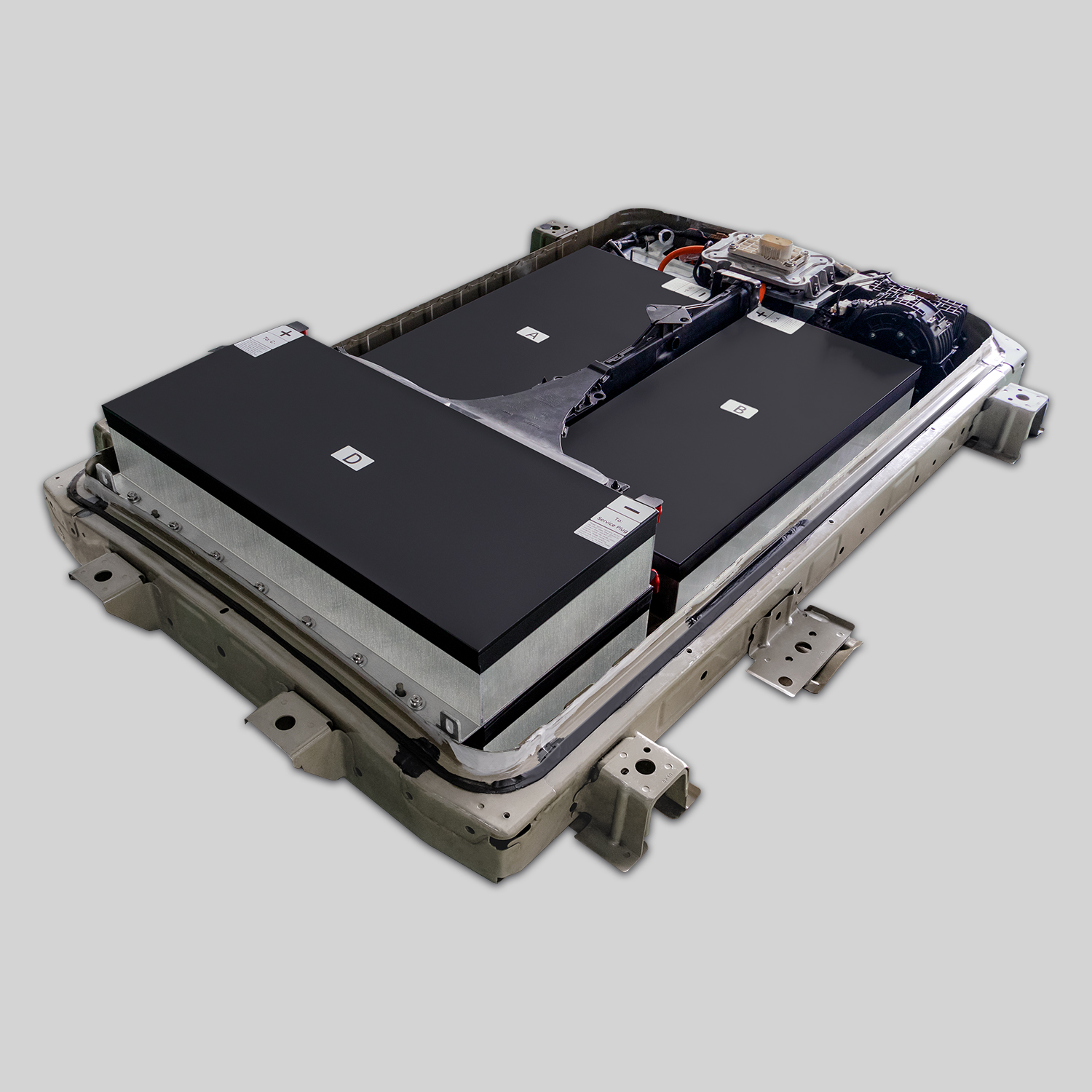
Pro Tips for BMW i3 Battery Registration Efficiency
When it comes to BMW i3 battery replacement, proper registration is the difference between optimal performance and premature failure. As EV battery specialists at CNS BATTERY, we’ve helped thousands of BMW i3 owners navigate the complex battery registration process. This guide reveals professional techniques to maximize your battery’s efficiency and lifespan.
Why BMW i3 Battery Registration Matters
The BMW i3’s Battery Management System (BMS) requires precise registration whenever a battery pack is replaced or upgraded. Skipping this critical step can lead to:
- Inaccurate state-of-charge readings
- Reduced driving range
- Premature battery degradation
- Warning lights and error codes
- Voided warranty coverage
Proper registration ensures your vehicle’s computer recognizes the new battery’s specifications, including capacity, voltage, and chemistry type. This synchronization is essential for the i3’s sophisticated energy management system to function correctly.
Essential Tools for Efficient Registration
Before beginning the registration process, gather these professional-grade tools:
Diagnostic Equipment
- BMW-compatible OBDII scanner with BMS programming capabilities
- ISTA/D or Rheingold software for official BMW diagnostics
- Stable power supply (battery maintainer rated for 12V systems)
Safety Gear
- Insulated gloves rated for high-voltage work
- Safety glasses and protective clothing
- Fire extinguisher (Class C for electrical fires)
Warning: High-voltage battery work requires specialized training. If you’re unsure, consult certified professionals at CNS BATTERY.
Step-by-Step Registration Process
Phase 1: Pre-Registration Preparation
Disconnect the 12V auxiliary battery before accessing high-voltage components. This prevents accidental system activation during the replacement process. Allow the vehicle’s capacitors to discharge for at least 15 minutes before proceeding.
Document your current battery’s information, including:
- Production date code
- Part number
- Capacity rating (kWh)
- Voltage specifications
This data ensures compatibility during the registration phase.
Phase 2: Battery Installation
When installing your CNS BATTERY replacement pack, verify all connections are secure and properly torqued. Loose connections cause resistance buildup, leading to heat generation and efficiency losses.
Key tip: Apply dielectric grease to all electrical contacts to prevent corrosion and maintain optimal conductivity over time.
Phase 3: BMS Programming
Connect your diagnostic tool to the OBDII port and access the BMS registration menu. Follow these critical steps:
- Select “Battery Replacement” from the service functions
- Enter new battery parameters exactly as specified by CNS BATTERY
- Reset battery aging counter to zero
- Calibrate state-of-charge sensors
- Perform system initialization
Common mistake: Many technicians skip the calibration step, resulting in inaccurate range estimates. Never rush this phase.
Phase 4: Post-Registration Verification
After programming, drive the vehicle for at least 30 minutes to allow the BMS to learn the new battery’s characteristics. Monitor these parameters:
- Charging acceptance rate
- Voltage balance across cells
- Temperature management response
- Regenerative braking efficiency
Any anomalies should be addressed immediately to prevent long-term damage.
Maximizing Battery Efficiency After Registration
Optimal Charging Practices
Follow the 20-80% rule for daily charging to minimize stress on battery cells. Reserve 100% charges for long trips only. Use Level 2 charging (240V) whenever possible, as DC fast charging generates more heat and accelerates degradation.
Temperature Management
The BMW i3’s thermal management system works best when the vehicle is plugged in during extreme weather. This allows the battery to maintain optimal temperature without draining the pack.
Winter tip: Pre-condition your battery while still connected to shore power. This improves range and reduces charging time significantly.
Regular Monitoring
Check your battery’s health monthly using the BMW i Remote app or diagnostic tools. Look for:
- Cell voltage variance (should be under 0.05V)
- Capacity retention (expect 2-3% annual degradation)
- Charging time consistency
Early detection of issues prevents costly repairs down the line.
Common Registration Errors to Avoid
Error #1: Incorrect Battery Type Selection
Choosing the wrong chemistry type (Li-ion vs. LiFePO4) confuses the BMS and causes charging problems.
Error #2: Skipping Adaptation Values
Failing to reset adaptation values means the vehicle continues using old battery parameters.
Error #3: Interrupted Programming
Power loss during registration can corrupt the BMS. Always use a battery maintainer during the process.
Error #4: Ignoring Fault Codes
Clear all fault codes after registration. Lingering codes indicate incomplete programming.
When to Seek Professional Help
While some owners successfully complete DIY registration, professional assistance is recommended when:
- You lack specialized diagnostic equipment
- The vehicle displays persistent warning lights
- Multiple battery modules need replacement
- Warranty coverage must be maintained
CNS BATTERY’s certified technicians have extensive experience with BMW i3 battery systems and can complete registration in under 2 hours.
FAQ: BMW i3 Battery Registration
Q: How long does BMW i3 battery registration take?
A: Professional registration typically takes 1-2 hours, including verification testing. DIY attempts may take longer without proper equipment.
Q: Can I drive my i3 without battery registration?
A: No. The vehicle may enter limp mode or refuse to operate. Registration is mandatory for safe operation.
Q: Will registration void my warranty?
A: Using CNS BATTERY certified components and proper procedures maintains warranty coverage. Always document the installation process.
Q: How often does battery registration need to be performed?
A: Only during battery replacement or major service. Normal operation doesn’t require re-registration.
Q: What happens if registration fails?
A: The BMS will store error codes. A second attempt usually succeeds if all parameters are entered correctly. Persistent failures require professional diagnosis.
Q: Is CNS BATTERY compatible with all BMW i3 model years?
A: Yes, our battery packs support 2014-2026 BMW i3 models, including both BEV and REx variants.
Ready to upgrade your BMW i3’s battery performance? Contact CNS BATTERY today for professional installation and registration services. Visit our contact page at https://cnsbattery.com/ev-battery-home/ev-battery-contact/ to schedule your consultation.
For more information about our EV battery solutions, explore our main page at https://cnsbattery.com/ev-battery-home.