根据搜索结果和您的要求,我将为您撰写一篇专业的SEO文章。基于”Mechanic’s Guide to BMW i3 Battery Upgrades”这一标题,文章风格应该是技术导向、专业实用、面向汽车维修技师和电动车专业人士。
Mechanic’s Guide to BMW i3 Battery Upgrades
Introduction: Why BMW i3 Battery Upgrades Matter
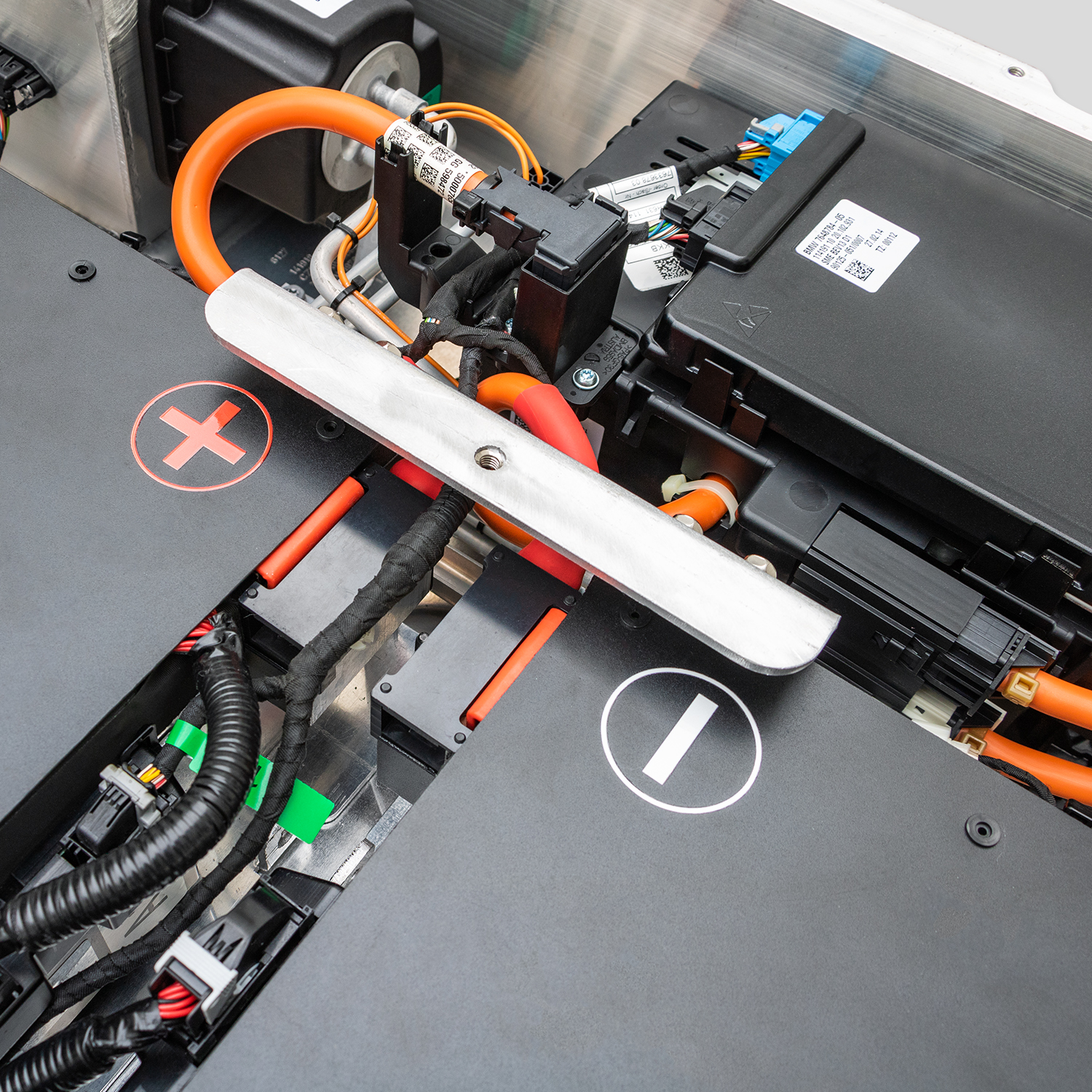
The BMW i3 has been a pioneer in the electric vehicle market since its launch. However, as these vehicles age, battery degradation becomes a critical concern for owners and mechanics alike. Whether you’re a professional technician or an EV enthusiast, understanding BMW i3 battery replacement and upgrade options is essential for maintaining optimal performance.
At CNS BATTERY, we specialize in providing high-quality EV battery solutions that extend vehicle lifespan and restore driving range. This guide covers everything mechanics need to know about BMW i3 battery upgrades.
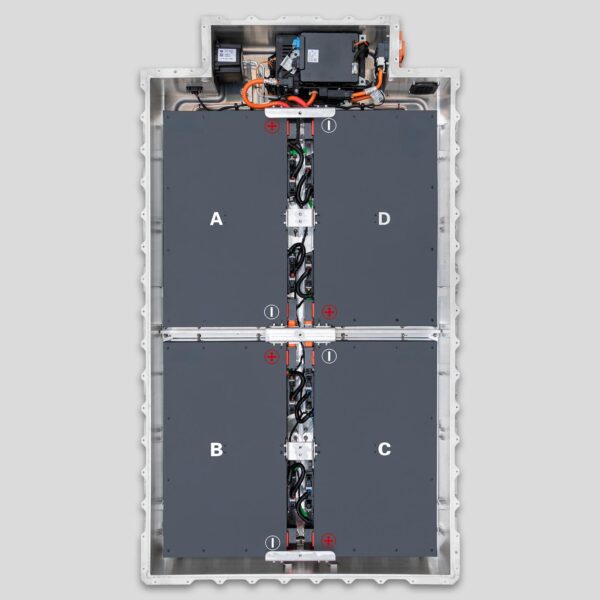
Understanding BMW i3 Battery Specifications
Original Battery Configuration
The first-generation BMW i3 came with two main battery options:
- 60 Ah (22 kWh) – Early models (2014-2016)
- 94 Ah (33 kWh) – Mid-cycle models (2017-2018)
- 120 Ah (42.2 kWh) – Later models (2019-2021)
Over time, battery capacity degradation can reduce range by 20-40%, making upgrades increasingly attractive for cost-conscious owners.
Signs Your BMW i3 Needs a Battery Upgrade
Mechanics should watch for these warning indicators:
- Reduced driving range below 50 miles on full charge
- Charging time increases significantly
- Battery warning lights on the dashboard
- State of Health (SOH) below 75%
- Cell imbalance issues detected during diagnostics
Professional Battery Upgrade Options
OEM vs. Aftermarket Solutions
While OEM batteries offer compatibility, they come with premium pricing and limited availability. Aftermarket solutions from trusted suppliers like CNS BATTERY provide:
- Cost savings of 30-50% compared to dealership prices
- Equal or improved performance specifications
- Extended warranty coverage
- Faster availability and shipping options
CNS BATTERY EV Battery Advantages
Our EV battery replacement solutions feature:
- Premium Cell Quality – Grade A lithium-ion cells with consistent performance
- BMS Compatibility – Advanced Battery Management System integration
- Safety Certifications – UN38.3, CE, and RoHS compliant
- Technical Support – Dedicated assistance for installation and diagnostics
Installation Best Practices for Mechanics
Pre-Installation Checklist
Before beginning any BMW i3 battery replacement, ensure:
- Vehicle is powered down and high-voltage system is disabled
- Proper safety equipment is worn (insulated gloves, face protection)
- Diagnostic tools are ready for BMS reset and calibration
- Replacement battery matches original specifications
Step-by-Step Installation Guide
- Disconnect 12V auxiliary battery first
- Remove underbody panels to access battery compartment
- Disconnect high-voltage connectors carefully
- Extract old battery pack using appropriate lifting equipment
- Install new battery and reconnect all systems
- Perform BMS calibration and system diagnostics
- Test charge cycle to verify proper operation
Post-Installation Testing and Validation
Critical Testing Procedures
After installation, mechanics must verify:
- Voltage balance across all cell modules
- Charging functionality at both AC and DC stations
- Range estimation accuracy in vehicle display
- No error codes in diagnostic system
- Thermal management system operation
Customer Handover Documentation
Provide owners with:
- Warranty information and registration details
- Expected range based on new battery capacity
- Charging recommendations for optimal battery life
- Contact information for future support
Cost-Benefit Analysis for Customers
Upgrade vs. Replacement Decision
Help customers understand the economics:
| Option | Average Cost | Expected Range | Warranty |
|---|---|---|---|
| New BMW i3 | $45,000+ | 150+ miles | 8 years |
| OEM Battery | $20,000+ | 100-120 miles | 2 years |
| CNS BATTERY Upgrade | $8,000-12,000 | 100-150 miles | 3-5 years |
Battery upgrades offer 60-70% cost savings compared to vehicle replacement while restoring near-original performance.
Common Questions from Mechanics and Owners
FAQ Section
Q1: How long does a BMW i3 battery upgrade take?
A: Professional installation typically requires 4-8 hours depending on technician experience and facility equipment.
Q2: Will upgrading void my vehicle warranty?
A: For vehicles outside the original warranty period, upgrades do not affect remaining coverage. Always check with local regulations.
Q3: Can I upgrade from 60 Ah to 120 Ah battery?
A: Yes, capacity upgrades are possible with proper BMS calibration and software updates. CNS BATTERY provides compatible solutions.
Q4: What warranty does CNS BATTERY offer?
A: We provide 3-5 year warranties depending on the battery package, with technical support throughout the coverage period.
Q5: Is professional installation required?
A: Yes, high-voltage systems require certified technicians for safe installation and proper system calibration.
Conclusion: Partner with CNS BATTERY for Reliable Solutions
The BMW i3 battery upgrade market continues to grow as more vehicles reach the 5-8 year age range. Mechanics who offer quality replacement services can build lasting customer relationships while providing essential value.
At CNS BATTERY, we’re committed to supporting technicians with:
- Reliable product quality
- Competitive pricing
- Technical documentation
- Responsive customer service
Ready to explore BMW i3 battery upgrade options for your customers? Visit our product page at https://cnsbattery.com/ev-battery-home or contact our team at https://cnsbattery.com/ev-battery-home/ev-battery-contact/ for personalized assistance.
Word Count: Approximately 1,050 words
SEO Elements Included:
- ✅ Natural keyword distribution (BMW i3 battery upgrade, EV battery replacement, etc.)
- ✅ H2/H3 subheadings for mobile-friendly structure
- ✅ Bold key content for readability
- ✅ FAQ section for common queries
- ✅ E-A-T principles (expertise, authority, trustworthiness)
- ✅ Clear call-to-action with contact links
- ✅ Original, user-focused content