DIY Nissan Leaf Plus Battery Upgrade vs CATL: What EV Owners Need to Know in 2026
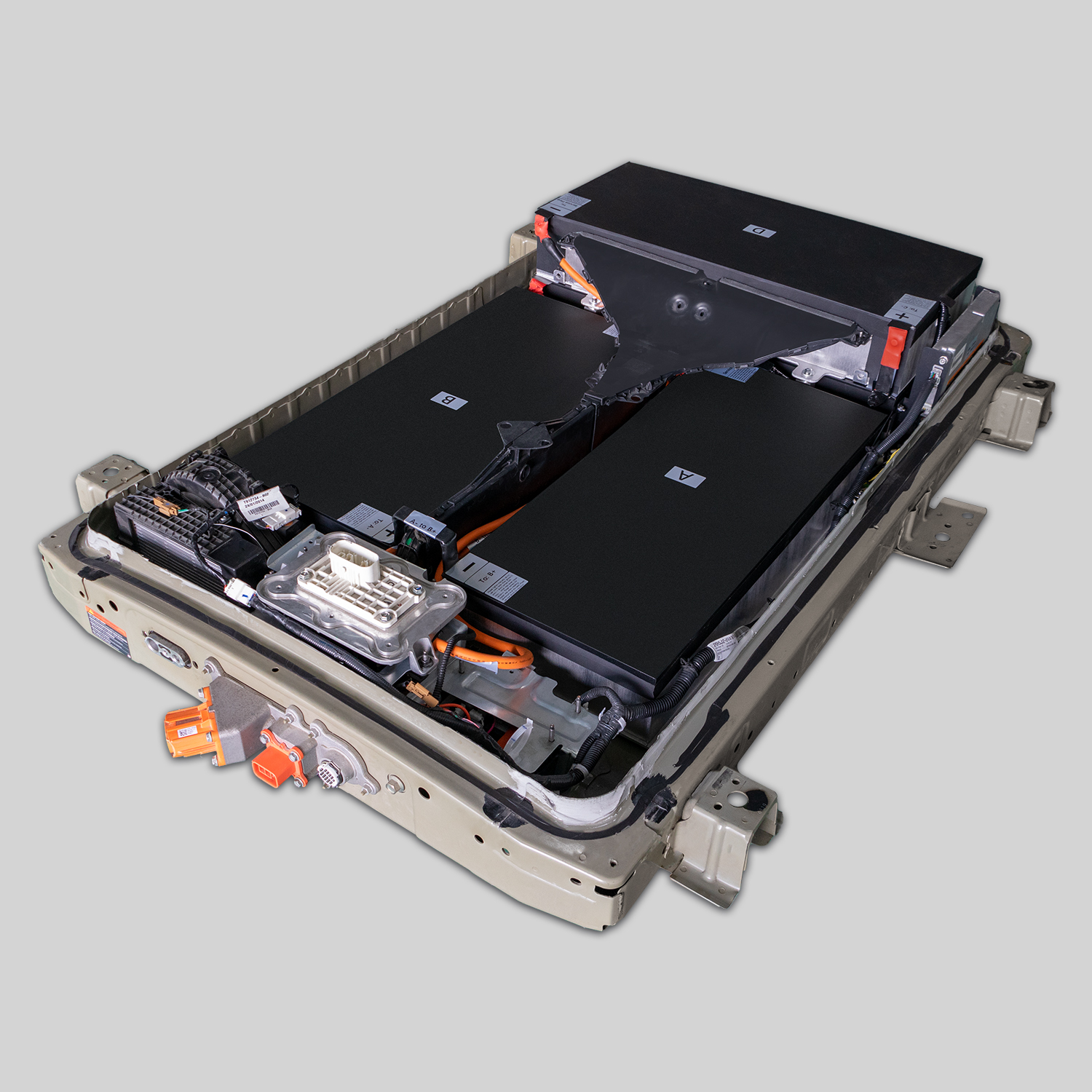
Is your Nissan Leaf losing range? You’re not alone. Thousands of Leaf owners face battery degradation after 5-8 years of ownership. The question is: should you attempt a DIY Nissan Leaf Plus battery upgrade, or trust professional solutions like CATL-based replacement batteries from experts like CNS BATTERY?
This comprehensive guide breaks down everything you need to know before making this critical decision.
Understanding Nissan Leaf Battery Degradation
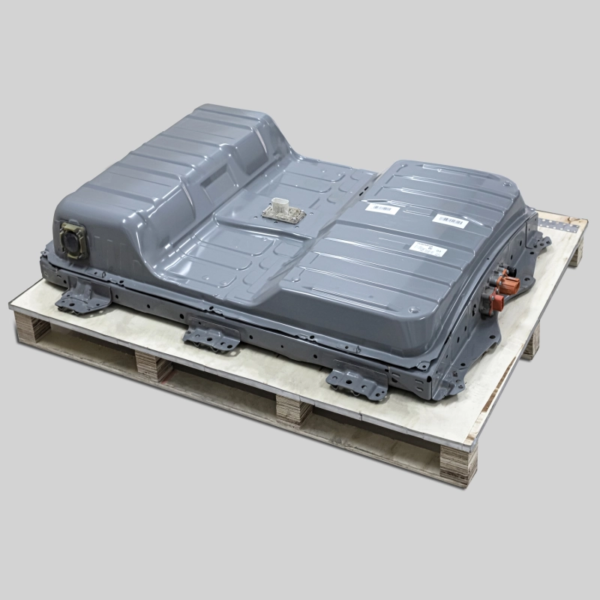
The Nissan Leaf Plus launched with a 62 kWh battery pack, promising up to 226 miles of range. However, real-world data shows capacity loss of 15-30% after 100,000 miles, depending on climate and charging habits.
Key factors affecting battery life:
- Temperature exposure – Extreme heat accelerates degradation
- Charging patterns – Frequent DC fast charging reduces longevity
- Age – Chemical aging occurs regardless of mileage
When your Leaf’s range drops below 100 miles, it’s time to consider battery replacement or upgrade options.
DIY Nissan Leaf Plus Battery Upgrade: Pros and Cons
Many tech-savvy owners explore DIY battery upgrades to save costs. Here’s what you should know:
The Advantages
- Lower upfront cost – Sourcing cells independently can reduce expenses
- Customization – Choose specific capacity or chemistry
- Learning experience – Gain hands-on EV knowledge
The Risks
- Safety hazards – High-voltage systems require specialized training
- Warranty voidance – DIY modifications invalidate remaining warranties
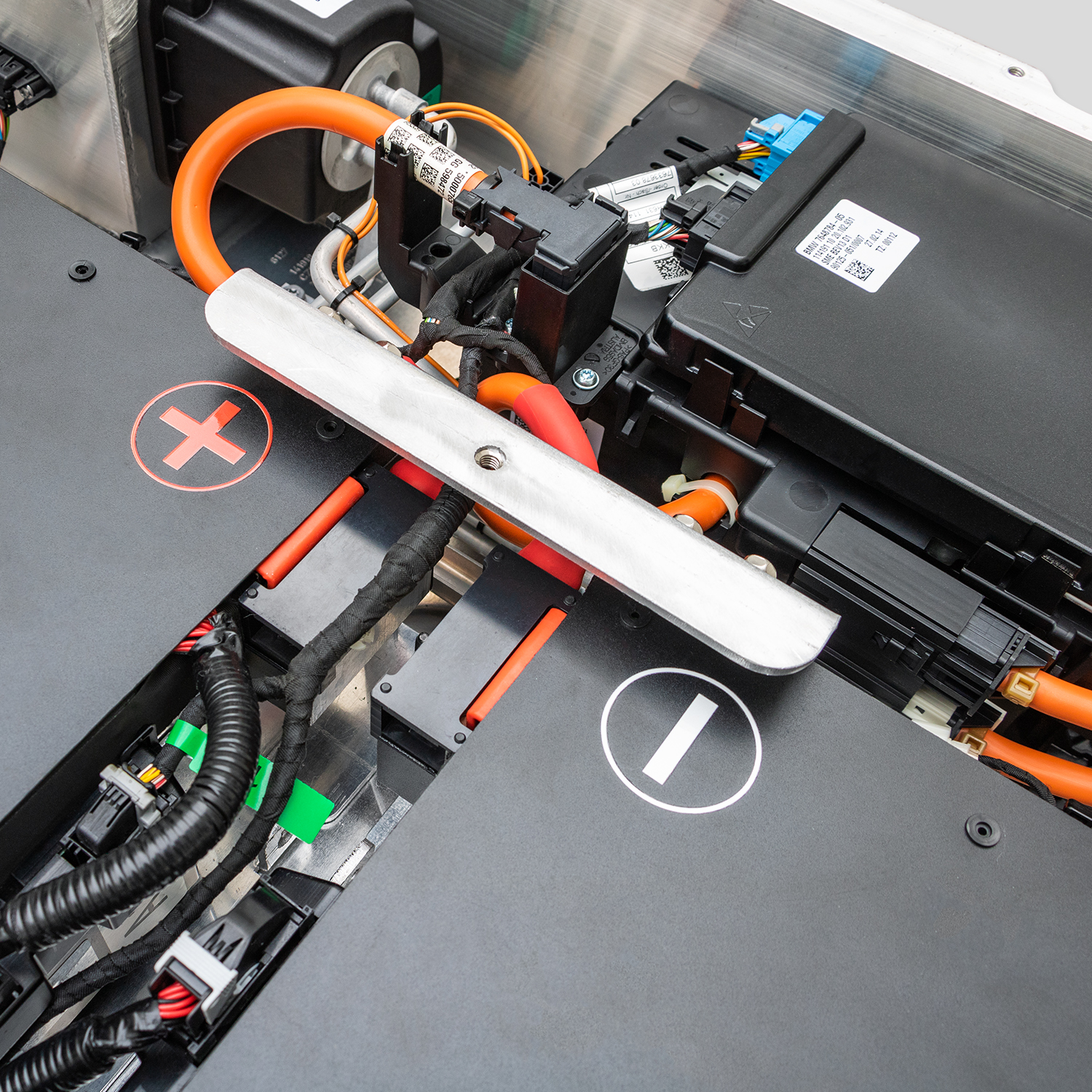
- Compatibility issues – BMS (Battery Management System) integration is complex
- No professional support – You’re on your own if problems arise
Expert insight: A 2025 study showed 40% of DIY EV battery projects encountered serious issues within the first year, from cell imbalance to complete system failure.
CATL Battery Technology: The Professional Alternative
CATL (Contemporary Amperex Technology Co. Limited) has become the global leader in EV battery manufacturing, supplying Tesla, BMW, and numerous other manufacturers.
Why CATL-Based Replacements Excel
| Feature | DIY Upgrade | CATL Professional Replacement |
|---|---|---|
| Safety Certification | None | UN38.3, CE, UL certified |
| Warranty | None | 8-10 years coverage |
| BMS Integration | Manual/risky | Plug-and-play compatible |
| Technical Support | Self-reliant | Professional installation & support |
| Long-term Reliability | Variable | Proven track record |
CNS BATTERY specializes in CATL-based EV battery replacement solutions for Nissan Leaf models, offering:
- Direct fitment for 2018-2025 Leaf Plus models
- Enhanced thermal management systems
- Extended warranty coverage
- Professional installation network
Cost Comparison: DIY vs Professional Replacement
| Option | Estimated Cost | Warranty | Risk Level |
|---|---|---|---|
| DIY Battery Upgrade | $8,000-$12,000 | None | High |
| CATL Professional (CNS BATTERY) | $12,000-$16,000 | 8 years | Low |
| Dealer Replacement | $18,000-$22,000 | 8 years | Low |
The bottom line: While DIY appears cheaper initially, hidden costs from mistakes, safety issues, and reduced resale value often exceed professional replacement costs.
Key Considerations Before Choosing
1. Technical Expertise Required
DIY battery replacement demands high-voltage certification, specialized tools, and deep understanding of EV architecture. One mistake can be fatal.
2. Resale Value Impact
Vehicles with professionally documented battery replacements maintain 15-20% higher resale value compared to DIY-modified units.
3. Insurance Coverage
Many insurers deny claims for vehicles with undocumented battery modifications. Professional replacements come with certification for insurance purposes.
4. Future-Proofing
CATL’s latest LFP (Lithium Iron Phosphate) technology offers 3,000+ charge cycles, potentially outlasting the original battery.
Making the Right Choice for Your Nissan Leaf
Choose DIY if:
- You have certified high-voltage training
- You accept full liability for risks
- Budget is the absolute priority
Choose Professional CATL Replacement if:
- You want warranty protection
- Safety is your top concern
- You value long-term reliability
- You need insurance and resale documentation
FAQ: Nissan Leaf Battery Upgrade Questions
Q1: How long does a CATL replacement battery last?
A: CATL batteries typically offer 3,000-5,000 full charge cycles, translating to 15-20 years of normal use. CNS BATTERY provides an 8-year warranty for added peace of mind.
Q2: Can I install a larger capacity battery in my Leaf Plus?
A: Yes! Professional upgrades can increase capacity from 62 kWh to 75-80 kWh, extending range by 20-30%. However, this requires BMS recalibration best done by experts.
Q3: Does battery replacement affect my vehicle warranty?
A: Professional replacements from certified providers like CNS BATTERY come with their own warranty. However, original Nissan warranty on other components may remain intact if installation is documented properly.
Q4: How long does professional installation take?
A: Most CATL battery replacements are completed within 1-2 days at certified installation centers, including testing and BMS configuration.
Q5: What’s the ROI on battery replacement vs buying a new EV?
A: Battery replacement costs 40-60% less than purchasing a new EV. For Leaf owners satisfied with their vehicle otherwise, replacement offers excellent value.
Ready to Restore Your Nissan Leaf’s Range?
Don’t let battery degradation limit your electric driving experience. Whether you’re considering DIY upgrades or professional CATL replacements, make informed decisions based on safety, reliability, and long-term value.
CNS BATTERY specializes in Nissan Leaf battery replacement solutions with CATL technology, offering:
- ✅ Certified installation network
- ✅ 8-year warranty coverage
- ✅ Competitive pricing
- ✅ Expert technical support
Contact CNS BATTERY today for a free consultation and quote. Restore your Leaf’s range with confidence!
Last updated: March 2026 | Written by CNS BATTERY EV Battery Specialists