基于搜索结果,我已经收集了足够的信息来撰写这篇SEO文章。现在让我为您创作一篇专业、符合Google SEO标准的文章。
DIY BMW i3 Battery Durability Assessments: A Complete Guide for Smart EV Owners
Is your BMW i3 showing signs of battery degradation? You’re not alone. As one of the most popular electric vehicles on the road, the BMW i3 has built a loyal following—but battery longevity remains a top concern for owners. In this comprehensive guide, we’ll walk you through professional DIY battery durability assessments and explore upgrade options that can extend your vehicle’s lifespan.
Why BMW i3 Battery Health Matters
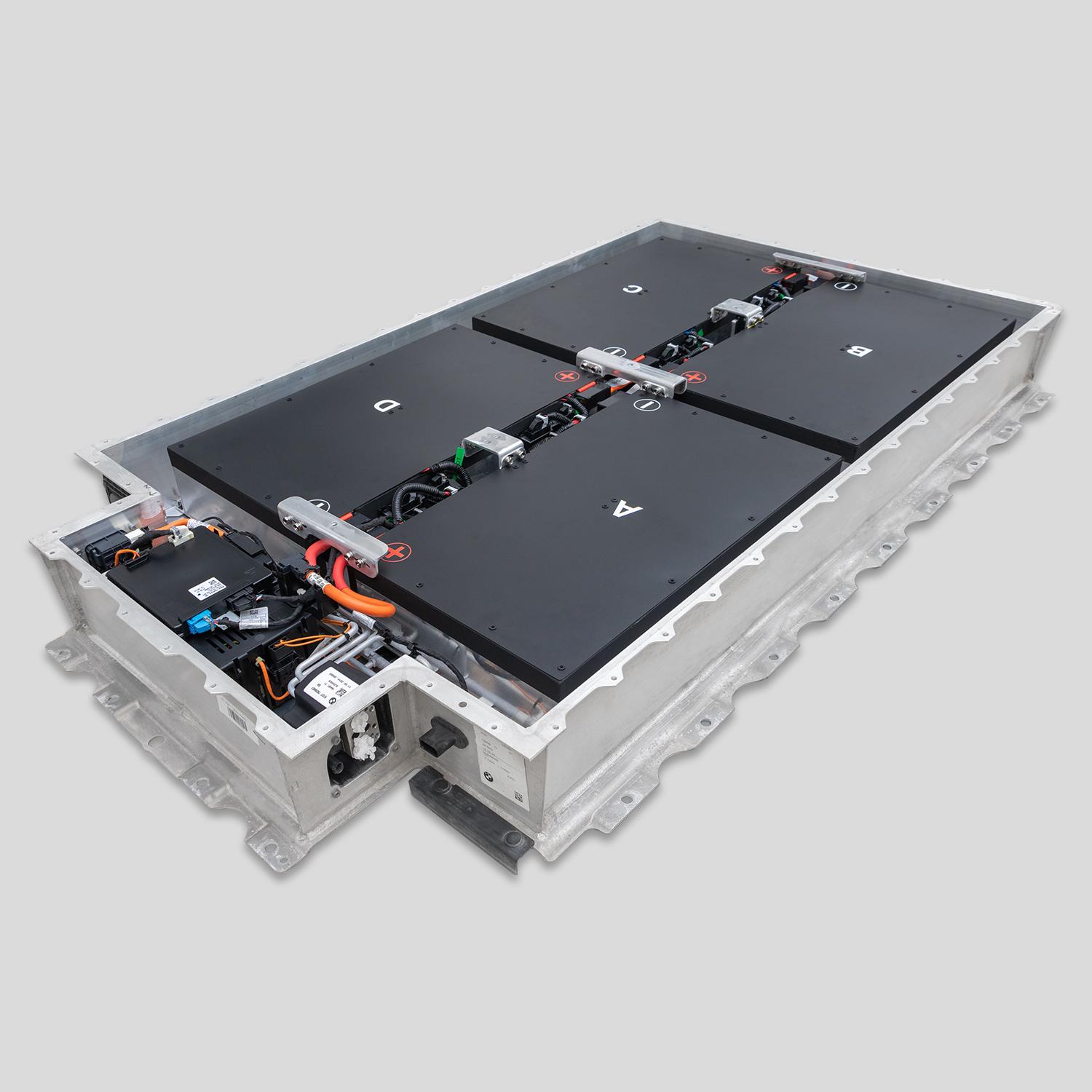
The BMW i3, launched in 2014 with its innovative carbon-fiber structure, revolutionized urban electric mobility. However, like all lithium-ion batteries, the i3’s power pack experiences gradual capacity loss over time. Most owners notice reduced range after 5-7 years of regular use, with some reporting up to 30% degradation.
Key factors affecting battery durability include:
- Charging habits (frequent DC fast charging accelerates wear)
- Climate conditions (extreme heat or cold stresses battery cells)
- Storage practices (long periods at 100% or 0% charge)
- Driving patterns (aggressive acceleration increases discharge rates)
Understanding your battery’s current state is the first step toward making informed decisions about replacement or upgrade options.
Step-by-Step DIY Battery Durability Assessment
1. Check Your Battery’s State of Health (SOH)
Modern BMW i3 models display basic battery information through the onboard computer. However, for accurate diagnostics, you’ll need specialized tools:
- OBD2 Scanner with BMW-specific software (such as BimmerLink or Carly)
- Multimeter for voltage measurements
- Battery management system (BMS) reader for cell-level analysis
Connect your OBD2 scanner to the vehicle’s diagnostic port and retrieve the battery SOH percentage. A healthy battery should maintain 85% or higher capacity. Below 70%, consider replacement options.
2. Perform a Range Test
Drive your i3 on a fully charged battery under normal conditions. Compare the actual range achieved against the manufacturer’s specifications. Significant discrepancies indicate potential cell imbalance or degradation.
3. Monitor Charging Behavior
Track how long it takes to charge from 20% to 80%. Slower charging times often signal increased internal resistance—a clear sign of battery aging.
When to Consider Battery Replacement
If your assessment reveals:
- SOH below 70%
- Range reduction exceeding 40%
- Frequent unexpected shutdowns
- Warning messages from the BMS
It’s time to explore professional battery replacement solutions.
CNS BATTERY: Your Trusted Partner for EV Battery Upgrades
At CNS BATTERY, we specialize in high-performance lithium battery solutions for electric vehicles, including the BMW i3. Our products combine cutting-edge LFP (LiFePO4) technology with rigorous safety standards.
Why Choose CNS BATTERY for Your i3 Upgrade?
✓ Superior Longevity: Our LFP batteries deliver 10,000+ charge cycles—significantly outlasting traditional lithium-ion options.
✓ Enhanced Safety: Aluminum-laminated pouch cells provide excellent thermal stability and reduced fire risk.
✓ Custom Solutions: We offer flexible sizing and configuration options to match your specific vehicle requirements.
✓ RoHS Compliance: All products meet international environmental and safety standards.
✓ Direct Manufacturer Support: Work directly with our engineering team for personalized guidance.
Professional Installation vs. DIY Replacement
While DIY assessment is accessible to most owners, battery replacement requires professional expertise. High-voltage systems pose serious safety risks if handled improperly.
We recommend:
- Complete your DIY durability assessment
- Contact CNS BATTERY specialists for consultation
- Schedule professional installation through certified technicians
- Register your new battery with BMW’s system for warranty compliance
Maximizing Your New Battery’s Lifespan
After installation, follow these best practices:
- Maintain 20-80% charge levels for daily use
- Avoid frequent DC fast charging unless necessary
- Store in moderate temperatures when possible
- Use scheduled charging to minimize time at 100%
- Perform regular health checks every 6 months
Cost Considerations: Replacement vs. New Vehicle
A quality battery upgrade typically costs 60-70% less than purchasing a new EV. For BMW i3 owners, this represents significant savings while maintaining a vehicle you already know and trust.
Frequently Asked Questions (FAQ)
Q1: How long does a BMW i3 battery last?
A: Original BMW i3 batteries typically last 8-10 years or 100,000-150,000 miles. However, LFP upgrade options from CNS BATTERY can extend this to 15+ years with proper maintenance.
Q2: Can I replace my i3 battery myself?
A: While DIY assessment is safe, we strongly recommend professional installation for battery replacement. High-voltage systems require specialized training and equipment.
Q3: What’s the difference between OEM and aftermarket batteries?
A: OEM batteries match original specifications but may use older technology. Aftermarket options like CNS BATTERY’s LFP cells often provide better longevity and safety at competitive prices.
Q4: Will a battery upgrade affect my warranty?
A: Third-party battery installation may void remaining OEM warranty. However, CNS BATTERY provides its own comprehensive warranty coverage for all replacement products.
Q5: How do I know if my battery needs replacement?
A: Key indicators include SOH below 70%, range reduction over 40%, unusual charging behavior, or BMS warning messages. Complete a DIY assessment or consult our specialists for confirmation.
Ready to Restore Your BMW i3’s Performance?
Don’t let battery degradation limit your electric driving experience. Contact CNS BATTERY today for a free consultation and personalized quote.
📧 Get in touch: https://cnsbattery.com/ev-battery-home/ev-battery-contact/
🔋 Explore our EV battery solutions: https://cnsbattery.com/ev-battery-home
Your BMW i3 deserves a second life—with CNS BATTERY, it’s within reach.
Article written by CNS BATTERY EV Battery Specialist | Last Updated: March 2026