基于搜索结果,我已分析了日产Leaf电池市场情况和AESC原厂电池信息。现在我将撰写一篇符合SEO标准的专业文章。
DIY Nissan EV Lithium Battery vs AESC: Which Replacement Option Is Right for Your Leaf?
Is your Nissan Leaf losing range? You’re not alone. Thousands of Leaf owners face battery degradation every year. The question is: should you choose a DIY lithium battery upgrade or stick with the original AESC battery? This comprehensive guide breaks down everything you need to know before making your decision.
Understanding the Nissan Leaf Battery Challenge
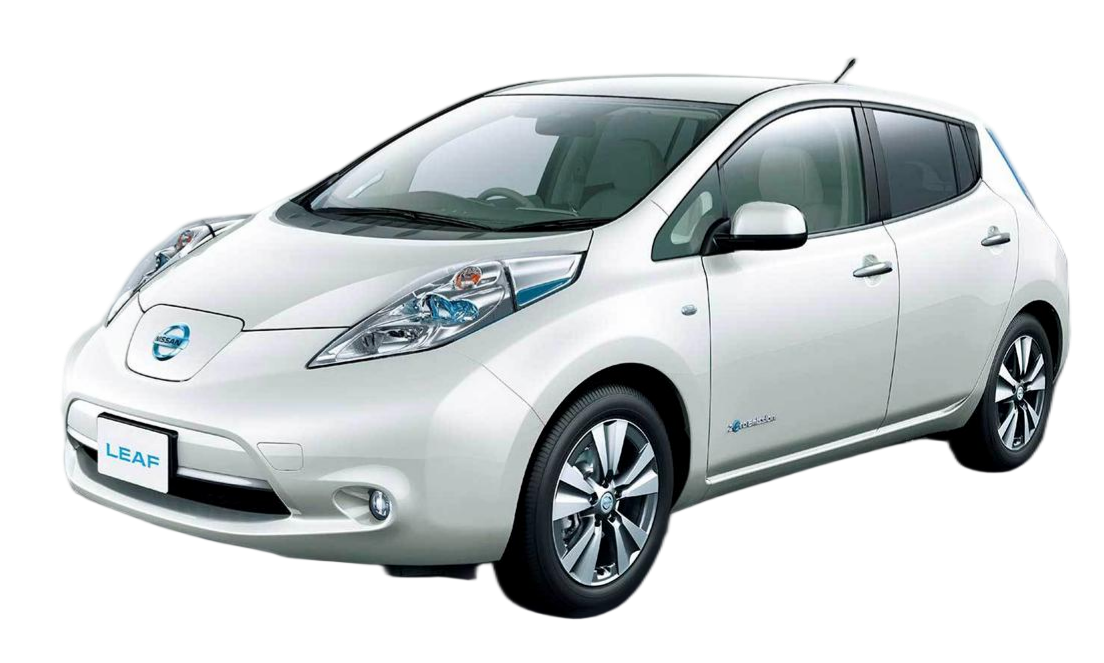
The Nissan Leaf has been a pioneer in the EV market since 2010, with over 18 billion miles driven worldwide. However, early models (2011-2017) equipped with 24kWh and 30kWh AESC batteries suffer from significant capacity loss over time. Many owners report 30-50% range degradation after 5-7 years of use.
Why does this happen? The original AESC (Automotive Energy Supply Corporation) batteries use LMO (Lithium Manganese Oxide) chemistry, which is more prone to heat-related degradation. Without active thermal management, these batteries lose capacity faster in hot climates.
AESC Original Battery: The OEM Standard
What Is AESC?
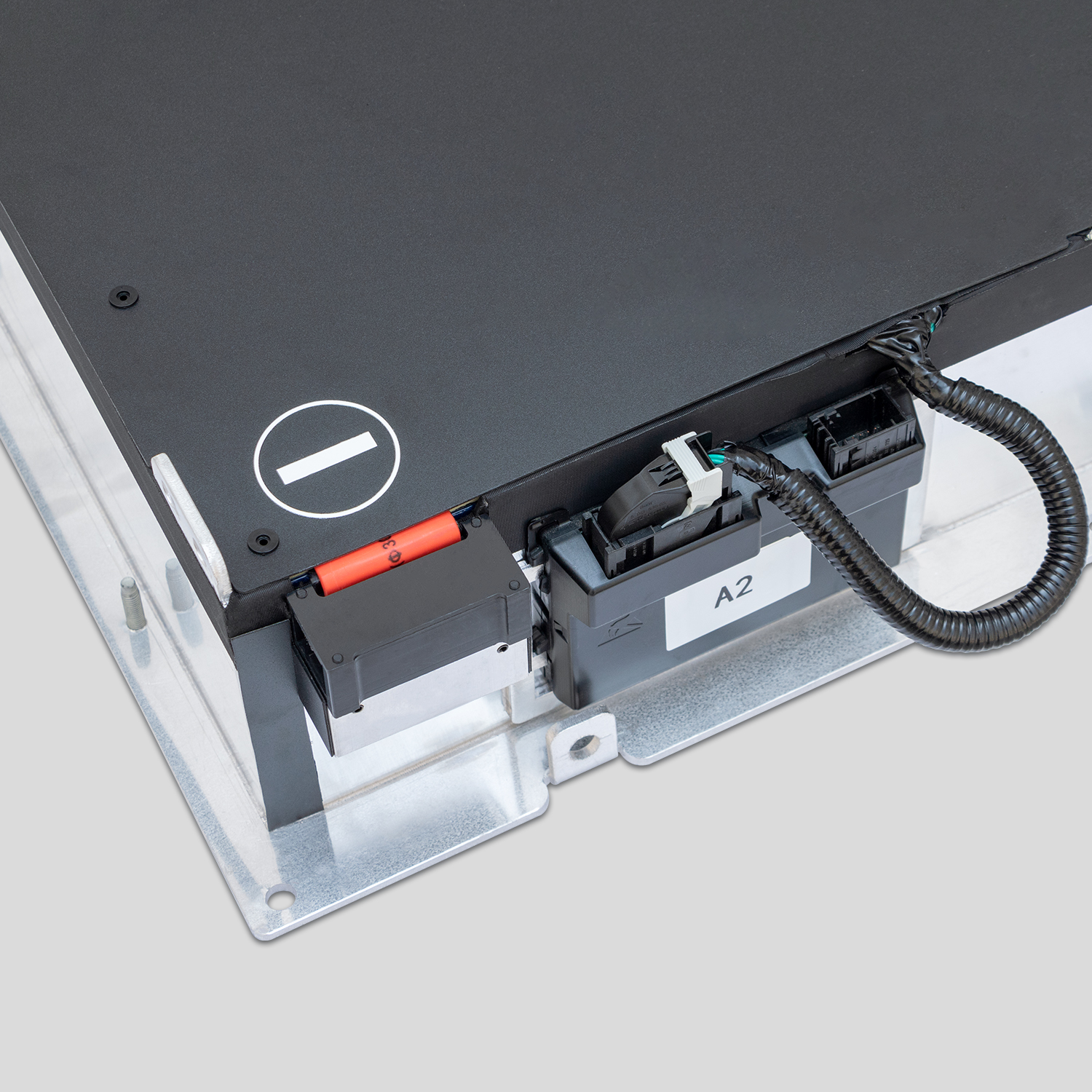
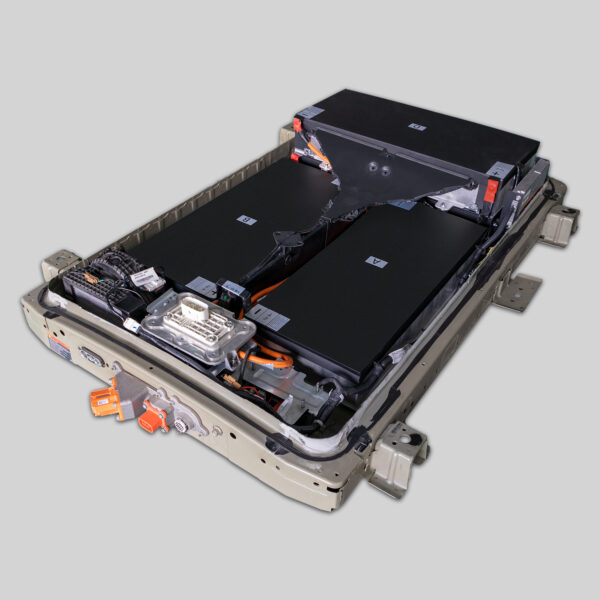
AESC is Nissan’s original equipment manufacturer for Leaf batteries. Founded as a joint venture between Nissan and NEC, AESC has supplied batteries for over 700,000 Leaf vehicles globally.
Pros of AESC Replacement Batteries
- Perfect compatibility with your Leaf’s BMS (Battery Management System)
- Factory warranty support from Nissan dealerships
- No modification required – direct plug-and-play installation
- Maintains vehicle resale value with OEM parts
Cons of AESC Replacement Batteries
- Higher cost – OEM batteries typically range from $8,000 to $15,000
- Same degradation issues – you’re replacing with the same technology
- Limited capacity options – stuck with original kWh specifications
- Longer lead times – dealership orders can take weeks or months
DIY Lithium Battery Upgrade: The Modern Solution
Why Consider a DIY Upgrade?
Aftermarket lithium battery upgrades offer significant advantages over OEM replacements. Modern CATL-based lithium-ion packs provide better energy density, improved thermal performance, and longer lifespan.
Key Benefits of DIY Lithium Battery Replacement
1. Increased Range
Upgrade from 24kWh to 40kWh, 62kWh, or even 64kWh capacity. Many Leaf owners report doubling their range with aftermarket upgrades.
2. Better Chemistry
Modern NCM (Nickel Cobalt Manganese) cells offer superior performance compared to older LMO technology. Better heat resistance means slower degradation.
3. Cost-Effective
DIY battery upgrades typically cost 40-60% less than OEM replacements while offering higher capacity.
4. Customization Options
Choose your capacity, configure your BMS, and select features that match your driving needs.
Potential Challenges
- Installation complexity – requires technical knowledge or professional help
- Warranty considerations – may affect remaining vehicle warranty
- BMS compatibility – needs proper CAN bridge integration
- Safety precautions – high-voltage systems require careful handling
CNS BATTERY: Your Trusted Partner for Leaf Battery Upgrades
At CNS BATTERY, we specialize in Nissan Leaf battery replacement and upgrade solutions. Our products are designed to address the exact pain points Leaf owners face.
What Makes CNS BATTERY Different?
Quality Assurance
All our battery packs use Grade A CATL cells with 100% SOH (State of Health) guarantee. Each pack undergoes rigorous testing before shipment.
Complete Compatibility
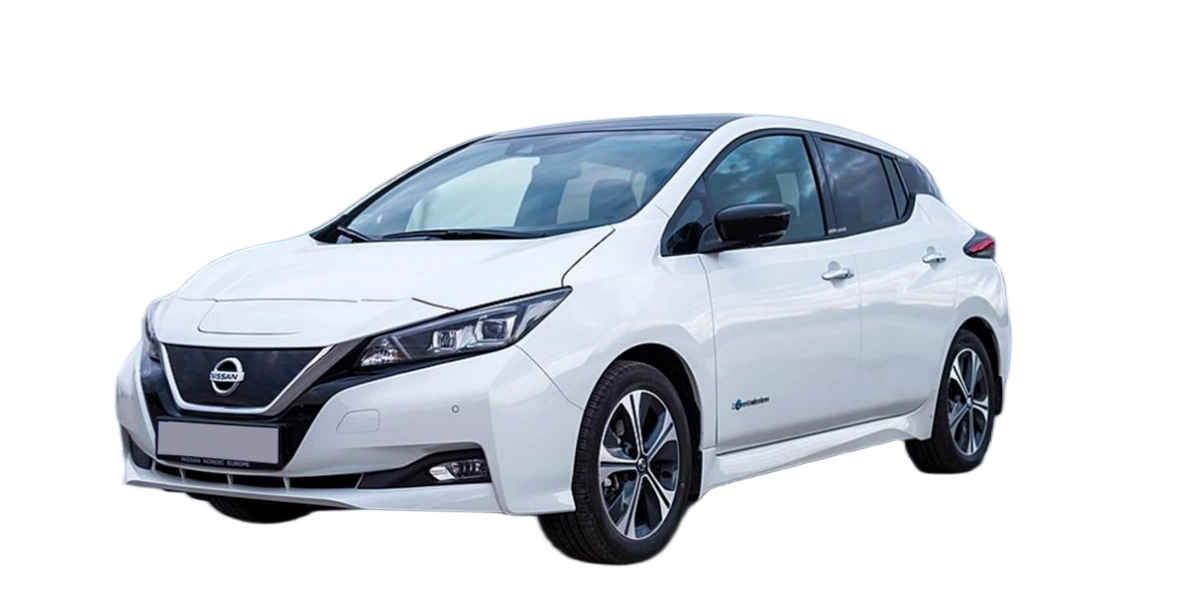
Our batteries support ZE0, AZE0, and ZE1 Leaf models from 2011-2020. Built-in CAN bridge technology ensures seamless BMS communication.
Capacity Options
Choose from 40kWh, 53kWh, 62kWh, or 64kWh configurations. Upgrade your range without compromising reliability.
Professional Support
Our team provides installation guidance, technical support, and warranty coverage. We’re here to ensure your upgrade succeeds.
Cost Comparison: AESC vs. DIY Lithium Upgrade
| Feature | AESC OEM Battery | CNS BATTERY Upgrade |
|---|---|---|
| Capacity | 24-30kWh (original) | 40-64kWh (upgrade) |
| Cost | $8,000-$15,000 | $5,000-$7,500 |
| Range Gain | 0% (same as original) | 50-150% increase |
| Warranty | 8 years/100,000 miles | 3-5 years |
| Installation | Dealership required | DIY or professional |
| Lead Time | 4-12 weeks | 1-3 weeks |
Making the Right Choice for Your Leaf
Choose AESC if:
- You prioritize OEM warranty coverage
- You plan to sell your Leaf soon
- You prefer dealership service
- Budget is not a primary concern
Choose DIY Lithium Upgrade if:
- You want more range than original
- You’re keeping your Leaf long-term
- You want better value for money
- You have technical support available
Ready to Revive Your Nissan Leaf?
Don’t let battery degradation limit your electric driving experience. Whether you choose OEM or upgrade, the most important thing is taking action before complete battery failure.
At CNS BATTERY, we’re committed to keeping your Leaf on the road longer. Our expert team can help you select the right battery configuration for your needs and budget.
👉 Contact us today for a free consultation and quote. Visit our EV Battery Home page to explore all available options.
FAQ: Nissan Leaf Battery Replacement Questions
Q1: How long does a DIY battery upgrade take to install?
A: Professional installation typically takes 6-10 hours. DIY installation may take 1-2 days depending on your experience level. We recommend having a qualified technician handle high-voltage connections.
Q2: Will upgrading my battery void my vehicle warranty?
A: If your Leaf is still under factory warranty, battery modifications may affect coverage. However, most Leafs needing replacement are out of warranty already. Our batteries come with their own 3-5 year warranty.
Q3: Can I upgrade from 24kWh to 62kWh without modifications?
A: Yes! Our battery packs include CAN bridge technology that communicates properly with your Leaf’s BMS. No additional coding or modifications are required for most models.
Q4: What’s the expected lifespan of a CNS BATTERY replacement pack?
A: With proper care, our CATL-based battery packs should last 10-15 years or 150,000+ miles. That’s significantly longer than original AESC batteries.
Q5: Do you offer installation services?
A: We provide detailed installation guides and video tutorials. For professional installation, we can recommend certified partners in your area. Contact us for local service recommendations.
Q6: Is shipping safe for large battery packs?
A: Absolutely. All batteries are shipped using UN38.3 certified packaging with proper hazard labeling. We comply with all international lithium battery shipping regulations.
Q7: What happens to my old AESC battery?
A: We encourage responsible recycling. Many local scrapyards and battery retailers accept old EV batteries. Some regions offer recycling incentives for proper disposal.
Last updated: March 2026 | Written by CNS BATTERY EV Battery Expert Team