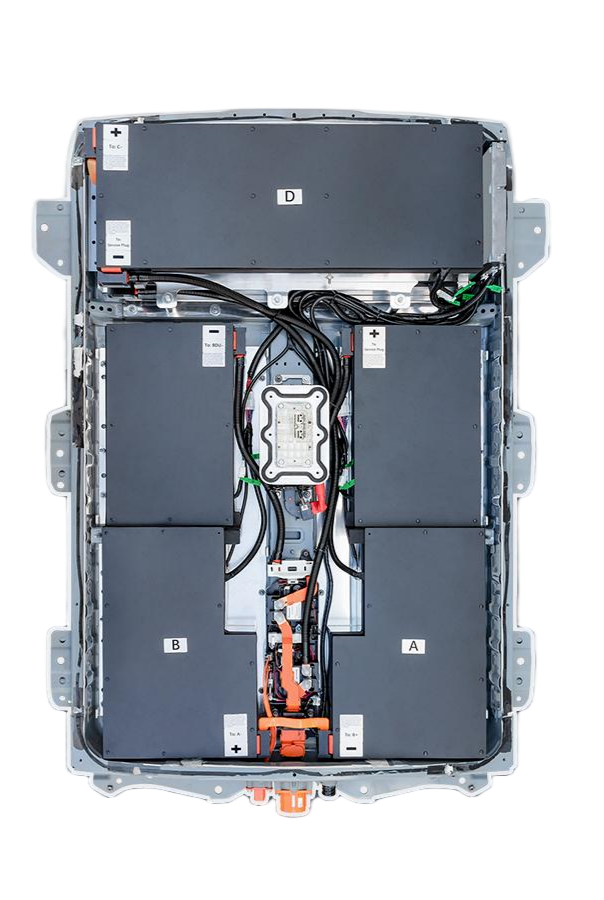
Understanding BMW i3 EV Battery Diagnostic-Compatibility for EV Repair Shops – Must Read
The BMW i3 remains one of the most popular electric vehicles in the used car market. For EV repair shops, understanding battery diagnostic compatibility is crucial when handling replacements or upgrades. This guide covers everything your shop needs to know about BMW i3 battery diagnostics and compatible solutions.
Why BMW i3 Battery Diagnostics Matter for Repair Shops
The BMW i3 features a sophisticated Battery Management System (BMS) that communicates with the vehicle’s central computer. When replacing or upgrading batteries, proper diagnostic compatibility ensures:
- Accurate state-of-charge readings
- Proper cell balancing
- No warning lights or error codes
- Safe charging operations
- Maintained warranty coverage
Without compatible diagnostic tools, repair shops risk customer complaints, returned vehicles, and potential safety issues.
BMW i3 Battery Specifications Overview
Understanding the battery specifications helps shops select the right replacement:
| Generation | Battery Capacity | Range | Production Years |
|---|---|---|---|
| First Gen (60Ah) | 22 kWh | ~130 km | 2014-2016 |
| Second Gen (94Ah) | 33 kWh | ~200 km | 2017-2018 |
| Third Gen (120Ah) | 42.2 kWh | ~260 km | 2019-2022 |
| China Spec (eDrive35L) | 70.27 kWh | 526 km CLTC | 2022-Present |
Key Point: Each generation requires specific diagnostic protocols. Mismatched compatibility causes communication errors between the BMS and vehicle computer.
Essential Diagnostic Tools for BMW i3 Battery Work
Professional EV repair shops need the right equipment:
OBDII Diagnostic Scanners
Universal OBDII readers can access basic fault codes, but BMW-specific tools provide deeper BMS insights.
BMW ISTA/D Software
The official BMW diagnostic system allows:
- Battery registration
- Cell voltage monitoring
- Thermal management checks
- Error code clearing
BMS Communication Protocols
BMW i3 batteries use CAN bus communication. Compatible replacement batteries must support the same protocol for seamless integration.
Common BMW i3 Battery Diagnostic Issues
Repair shops frequently encounter these problems:
1. Battery Not Recognized
The vehicle doesn’t detect the new battery. This usually indicates communication protocol mismatch or missing registration.
2. Reduced Range Warnings
After replacement, the car shows limited range. This requires BMS calibration and driving cycle completion.
3. Charging Limitations
The vehicle restricts charging speed or capacity. Check thermal sensor connections and BMS settings.
4. Warning Lights Persist
Dashboard warnings remain after battery installation. Professional diagnostic tools can clear stored fault codes.
CNS BATTERY: Compatible Solutions for Repair Shops
At CNS BATTERY, we understand the challenges EV repair shops face. Our BMW i3 battery replacements are designed with:
- Full BMS compatibility across all i3 generations
- Pre-programmed communication protocols
- Plug-and-play installation with minimal coding
- Comprehensive technical support for shops
- Quality testing to meet OEM standards
Our batteries undergo rigorous diagnostic compatibility testing before shipment. This ensures your shop can complete installations efficiently without costly comebacks.
Best Practices for BMW i3 Battery Replacement
Follow these steps for successful installations:
- Scan the vehicle before removal to document existing codes
- Record battery serial numbers for registration purposes
- Install replacement battery with proper safety procedures
- Register the new battery using compatible diagnostic tools
- Clear all fault codes and verify system communication
- Complete a test drive to confirm proper operation
- Provide customer documentation for warranty purposes
Building Trust with EV Customers
EV owners are increasingly knowledgeable about their vehicles. Repair shops that demonstrate technical expertise and use compatible, quality parts build lasting customer relationships. Transparency about battery specifications and diagnostic capabilities sets professional shops apart from competitors.
FAQ: BMW i3 Battery Diagnostic Compatibility
Q: Can I use any OBDII scanner for BMW i3 battery diagnostics?
A: Basic OBDII scanners read general codes, but BMW-specific tools like ISTA/D are recommended for BMS registration and advanced diagnostics.
Q: Do I need to reprogram the vehicle after battery replacement?
A: Yes, the new battery must be registered with the BMS. This ensures accurate state-of-charge calculations and proper charging management.
Q: How long does a BMW i3 battery replacement take?
A: Professional shops typically complete the job in 4-8 hours, including diagnostic testing and battery registration.
Q: Are aftermarket BMW i3 batteries compatible with original diagnostics?
A: Quality aftermarket batteries from suppliers like CNS BATTERY maintain full diagnostic compatibility. Always verify compatibility before purchase.
Q: What happens if the battery isn’t properly registered?
A: The vehicle may show reduced range, charging limitations, or persistent warning lights. Proper registration is essential for optimal performance.
Ready to upgrade your EV repair shop’s battery solutions? Contact CNS BATTERY today for compatible BMW i3 battery replacements and expert technical support.
Get in Touch with Our EV Battery Experts
Visit our main page for complete product information: CNS BATTERY EV Battery Solutions
This article was written by CNS BATTERY’s EV battery specialists. We provide professional-grade battery replacement solutions for repair shops worldwide. All information is based on current technical specifications and industry best practices as of 2026.