Avoid Common Mistakes in Technical Compatibility for Agriculture Drones
The sun is setting over the fields, and the spraying schedule is tight. You power up your agriculture drone, the rotors spin, and then—silence. A critical error code flashes on the controller. The mission is aborted, the crops remain untreated, and revenue slips away like water through a cracked tank. This scenario is not a rare glitch; it is the direct result of overlooked technical compatibility. In the high-stakes world of precision agriculture, your drone is only as strong as its weakest component, and often, that weak link is the power system integration.
Many operators focus heavily on flight controllers and spray nozzles while treating the battery and power distribution as an afterthought. This is a costly error. Technical compatibility is not just about plugging a connector into a port; it is about ensuring harmony between voltage curves, communication protocols, thermal dynamics, and physical constraints. When these elements clash, efficiency drops, safety risks rise, and equipment lifespan shrinks. To protect your investment and ensure seamless operations, we must diagnose the root causes of incompatibility and apply rigorous solutions.
Diagnosis: Identifying the Hidden Friction Points
Before fixing the problem, you must understand where the friction lies. Incompatibility in agriculture drones rarely announces itself until it is too late. However, there are distinct symptoms that precede a catastrophic failure. By recognizing these signs early, you can prevent downtime during critical planting or harvesting windows.
1. Voltage Sag and Power Delivery Mismatch
One of the most common issues is voltage sag under load. Agriculture drones require massive bursts of power during takeoff and when carrying full payload tanks. If the battery’s discharge rate (C-rating) does not match the motor’s peak demand, the voltage will drop below the low-voltage cutoff. The drone perceives this as a critical failure and initiates an emergency landing. This often happens when operators upgrade motors without upgrading the power system to match the new current draw requirements.
2. Communication Protocol Silence
Modern smart batteries communicate with the flight controller via protocols like CAN bus, UART, or RS485. This data exchange informs the pilot of remaining capacity, cell health, and temperature. If the battery management system (BMS) speaks a different language than the flight controller, you are flying blind. You might see a full charge indicator while the battery is actually depleted, leading to unexpected crashes. This digital handshake failure is a silent killer in fleet operations.
3. Thermal Runaway Risks
Agriculture operations often take place in high-temperature environments. If the battery casing does not allow for adequate airflow, or if the chemical composition is not suited for high-discharge heat generation, thermal buildup occurs. Overheating degrades cell chemistry permanently and, in worst-case scenarios, leads to thermal runaway. Incompatibility here isn’t just about performance; it is about safety.
4. Physical Integration and Weight Distribution
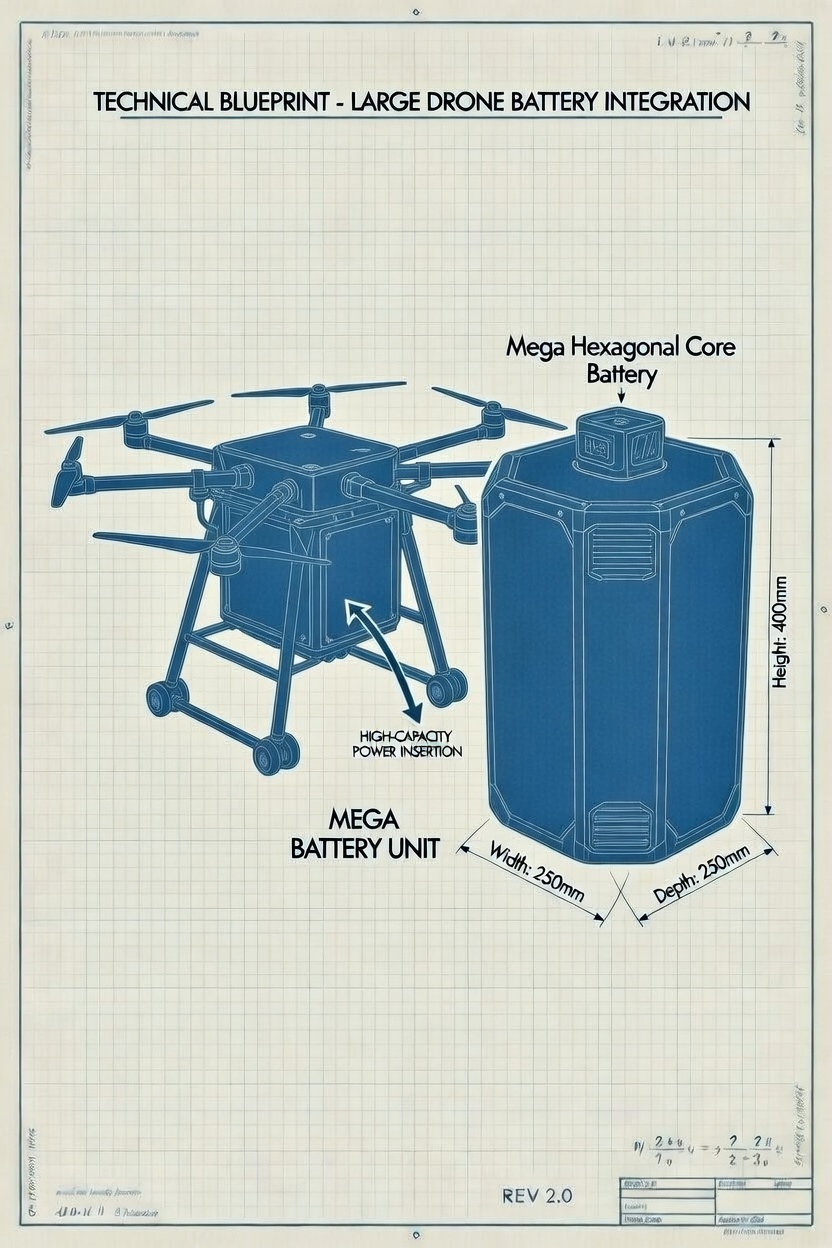
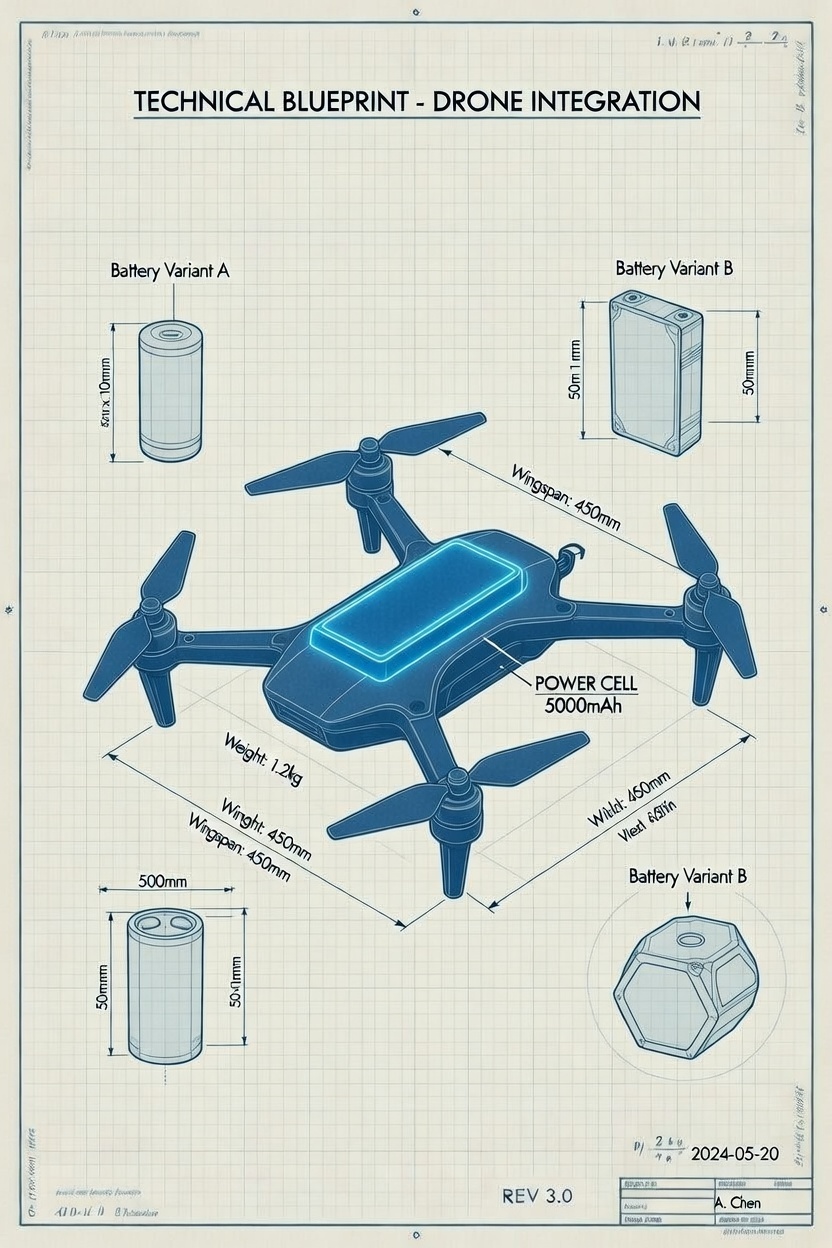
A battery might electrically match the drone but fail physically. If the center of gravity shifts due to a bulky battery design, the flight controller struggles to maintain stability, draining more power to compensate. Furthermore, vibration from motors can loosen connectors that were not designed for high-vibration agricultural environments, leading to arcing and power loss mid-flight.
List-Style Solutions: Engineering Compatibility into Your Fleet
Solving these issues requires a methodical approach. You cannot rely on guesswork when thousands of dollars of equipment and acres of crops are on the line. Below is a comprehensive checklist to ensure technical compatibility across your agriculture drone operations.
1. Verify Voltage and Discharge Curves
Never assume nominal voltage is enough. You must analyze the discharge curve of the battery under load. Ensure the battery maintains stable voltage throughout the entire discharge cycle, especially at 80% depth of discharge. Check the continuous and burst discharge ratings against your motor specifications. For high-performance agricultural tasks, ensure the battery can handle at least 1.5 times the maximum current draw of your propulsion system. You can review detailed technical parameters to ensure your power source meets these rigorous demands by visiting https://cnsbattery.com/drone-battery-home/drone-battery/.
2. Validate BMS Communication Protocols
Before deployment, test the communication link between the battery and the flight controller. Ensure the data telemetry is accurate. Does the ground station display the correct remaining flight time? Does it warn you of cell imbalance? If you are integrating third-party batteries, confirm that the protocol documentation matches your drone’s firmware requirements. Misaligned communication settings are a frequent source of error codes that ground fleets unnecessarily.
3. Implement Thermal Management Checks
Inspect the battery casing design. Does it feature heat dissipation mechanisms suitable for your operating climate? During initial test flights, use thermal imaging to monitor battery temperature after high-load maneuvers. If the temperature exceeds the manufacturer’s safe operating range, the compatibility is flawed. Proper thermal management extends cycle life and prevents safety incidents. For more insights on maintaining battery health under stress, you should https://cnsbattery.com/drone-battery-home/drone-battery-help-center/.
4. Secure Physical Mounting and Vibration Damping
Ensure the battery tray locks securely and aligns with the drone’s center of gravity. Use vibration-damping materials between the battery and the frame to protect internal cell connections and external connectors. Loose connections cause resistance, which generates heat and voltage drop. A physically secure fit is as crucial as an electrical match.
5. Conduct Cycle Testing Before Peak Season
Do not wait for the spraying season to test new compatibility setups. Run full discharge cycles on the ground with props removed to monitor voltage stability. Then, conduct hover tests with varying payloads. Record the data. If the voltage dips sharply during payload simulation, the system is incompatible. This proactive testing saves you from field failures later.
6. Standardize Across Your Fleet
Incompatibility often arises from mixing different battery batches or brands within the same fleet. Standardize your power solutions. Using uniform batteries ensures consistent performance across all drones, simplifies charging logistics, and makes troubleshooting easier. When every unit behaves predictably, your operational efficiency skyrockets.
The User Benefit: Why Compatibility Matters
Why go through this rigorous diagnostic and solution process? The answer lies in ROI and reliability. When technical compatibility is optimized, your drones fly longer missions with fewer interruptions. You reduce the frequency of battery replacements because the cells are not being stressed beyond their design limits. Safety is enhanced, protecting both your equipment and the people operating it.
Furthermore, accurate telemetry means you can plan missions with precision. You know exactly how many acres you can cover on a single charge. This predictability allows for better labor scheduling and resource allocation. In agriculture, time is the most valuable resource. A grounded drone is a lost opportunity. By ensuring your power system is perfectly compatible with your airframe, you transform your drone from a fragile tool into a robust asset.
Reliability also builds trust with your clients. If you provide spraying services, consistent performance means you meet your contracts on time. There is no embarrassment in having to reschedule due to equipment failure. Professionalism in agriculture technology is defined by uptime, and uptime is defined by compatibility.
Summary
Technical compatibility in agriculture drones is not a luxury; it is a necessity. The common mistakes of ignoring voltage sag, neglecting communication protocols, and overlooking thermal management can lead to costly failures. By diagnosing these issues early and implementing structured solutions like verifying discharge curves, validating BMS data, and securing physical mounts, you safeguard your operations.
The difference between a successful harvest season and a logistical nightmare often comes down to the power system. Do not let incompatible components dictate your schedule. Take control of your fleet’s performance by ensuring every component speaks the same language and works towards the same goal.
For those who demand excellence and require power solutions tailored to specific agricultural challenges, generic options may not suffice. You need a partner who understands the nuances of drone energy systems. If you are ready to optimize your fleet with custom-engineered battery solutions that guarantee compatibility and performance, we are here to help.
Contact us today for a custom solution tailored to your agriculture drone fleet: https://cnsbattery.com/drone-battery-home/drone-battery-contact
Ensure your operations are powered by precision. Visit our https://cnsbattery.com/drone-battery-home to learn more about how we support the future of agricultural aviation.