Quick Tips on BMW i3 EV Battery Environmental-Impact [2026 Update]
The electric vehicle revolution is accelerating, and the BMW i3 remains a pioneering choice for eco-conscious drivers. As we step into 2026, understanding the environmental impact of EV batteries has become more critical than ever. Whether you’re considering a battery replacement or upgrade, this guide provides essential insights to help you make sustainable decisions.
Understanding BMW i3 Battery Technology in 2026
The 2026 BMW i3 features significant improvements in battery efficiency and sustainability. The latest models offer CLTC ranges up to 625 kilometers, with optimized battery management systems that reduce energy consumption. The battery capacity ranges from 70.2 kWh to 79.1 kWh, depending on the trim level.
Key environmental considerations for BMW i3 owners include:
- Battery production carbon footprint
- Raw material sourcing (lithium, cobalt, nickel)
- End-of-life recycling potential
- Energy efficiency during operation
The Environmental Footprint of EV Batteries
Production Phase Impact
Manufacturing an EV battery generates approximately 150-200 kg of CO2 per kWh of capacity. For a BMW i3 with a 70 kWh battery, this translates to roughly 10-14 tons of CO2 before the vehicle even hits the road. However, this initial impact is offset over the vehicle’s lifetime through zero-emission driving.
Operational Benefits
Despite production emissions, EVs like the BMW i3 produce 50-70% fewer lifetime emissions compared to conventional gasoline vehicles. The environmental advantage grows as electricity grids become cleaner with renewable energy integration.
Battery Replacement vs. Upgrade: What’s Greener?
When your BMW i3 battery shows signs of degradation, you face two primary options:
Battery Replacement
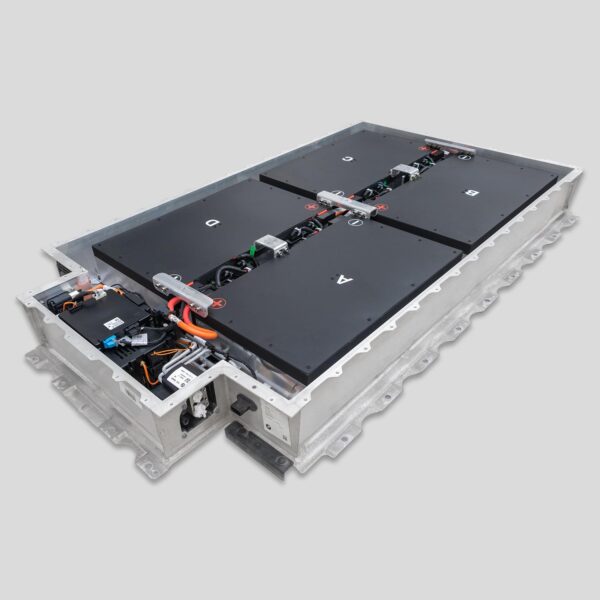
Replacing the entire battery pack ensures optimal performance but requires new materials. CNS BATTERY offers sustainable replacement solutions that prioritize recycled materials and efficient manufacturing processes.
Battery Upgrade
Upgrading to newer technology can improve range and efficiency. The 2026 models feature improved energy density and better thermal management, extending battery life and reducing long-term environmental impact.
Maximizing Your BMW i3 Battery Lifespan
Extending battery life is one of the most effective ways to reduce environmental impact. Follow these expert tips:
1. Optimal Charging Practices
- Keep battery charge between 20-80% for daily use
- Avoid frequent DC fast charging when possible
- Use scheduled charging during off-peak hours
2. Temperature Management
- Park in shaded areas during summer
- Pre-condition the battery in extreme weather
- Avoid exposing the vehicle to prolonged extreme temperatures
3. Driving Habits
- Use eco-driving modes when available
- Avoid aggressive acceleration and braking
- Maintain steady speeds on highways
CNS BATTERY: Your Sustainable Battery Partner
At CNS BATTERY, we understand the importance of balancing performance with environmental responsibility. Our EV battery solutions for BMW i3 owners focus on:
- High-quality lithium-ion technology with extended lifespan
- Recyclable components that minimize waste
- Expert installation services ensuring optimal performance
- Comprehensive warranties for peace of mind
Visit our EV Battery Home to explore our full range of sustainable battery solutions designed specifically for BMW i3 models.
The Future of EV Battery Sustainability
The EV battery industry is evolving rapidly. 2026 marks a turning point with several promising developments:
- Solid-state batteries offering higher energy density and safety
- Improved recycling technologies recovering 95%+ of battery materials
- Second-life applications repurposing used EV batteries for energy storage
- Reduced cobalt dependency through new battery chemistries
BMW continues to invest in sustainable battery production, partnering with suppliers committed to responsible mining practices and carbon-neutral manufacturing.
Making an Informed Decision
Choosing the right battery solution for your BMW i3 involves considering multiple factors:
| Factor | Consideration |
|---|---|
| Cost | Replacement vs. upgrade pricing |
| Environmental Impact | Material sourcing and recycling |
| Performance | Range and efficiency gains |
| Warranty | Coverage period and terms |
| Installation | Professional service availability |
CNS BATTERY provides transparent information and expert guidance to help you make the best choice for your vehicle and the environment.
Conclusion
The BMW i3 remains a leader in sustainable urban mobility, and proper battery management ensures you maximize its environmental benefits. Whether you need a replacement, upgrade, or simply want to optimize your current battery’s performance, understanding the environmental impact helps you make responsible decisions.
Ready to take the next step? Contact our expert team at CNS BATTERY Contact for personalized advice on your BMW i3 battery needs. Together, we can drive toward a cleaner, more sustainable future.
FAQ: BMW i3 Battery Environmental Impact
Q1: How long does a BMW i3 battery last before needing replacement?
A: BMW i3 batteries typically last 8-12 years or 100,000-150,000 miles, depending on usage patterns and charging habits. Proper maintenance can extend this lifespan significantly.
Q2: Can BMW i3 batteries be recycled?
A: Yes, over 95% of battery materials can be recovered through modern recycling processes. BMW partners with certified recyclers to ensure responsible end-of-life handling.
Q3: What’s the environmental benefit of replacing vs. repairing a battery?
A: Module-level repairs reduce material waste but may not restore full capacity. Complete replacement ensures optimal performance but requires new materials. CNS BATTERY offers both options with sustainability in mind.
Q4: How does the 2026 BMW i3 battery compare to previous models?
A: The 2026 model features improved energy density, better thermal management, and optimized battery chemistry, resulting in longer lifespan and reduced environmental impact per mile driven.
Q5: Is it worth upgrading my older BMW i3 battery?
A: Upgrading can provide increased range, better efficiency, and extended vehicle life. Consult with CNS BATTERY experts to determine if an upgrade makes sense for your specific situation and budget.