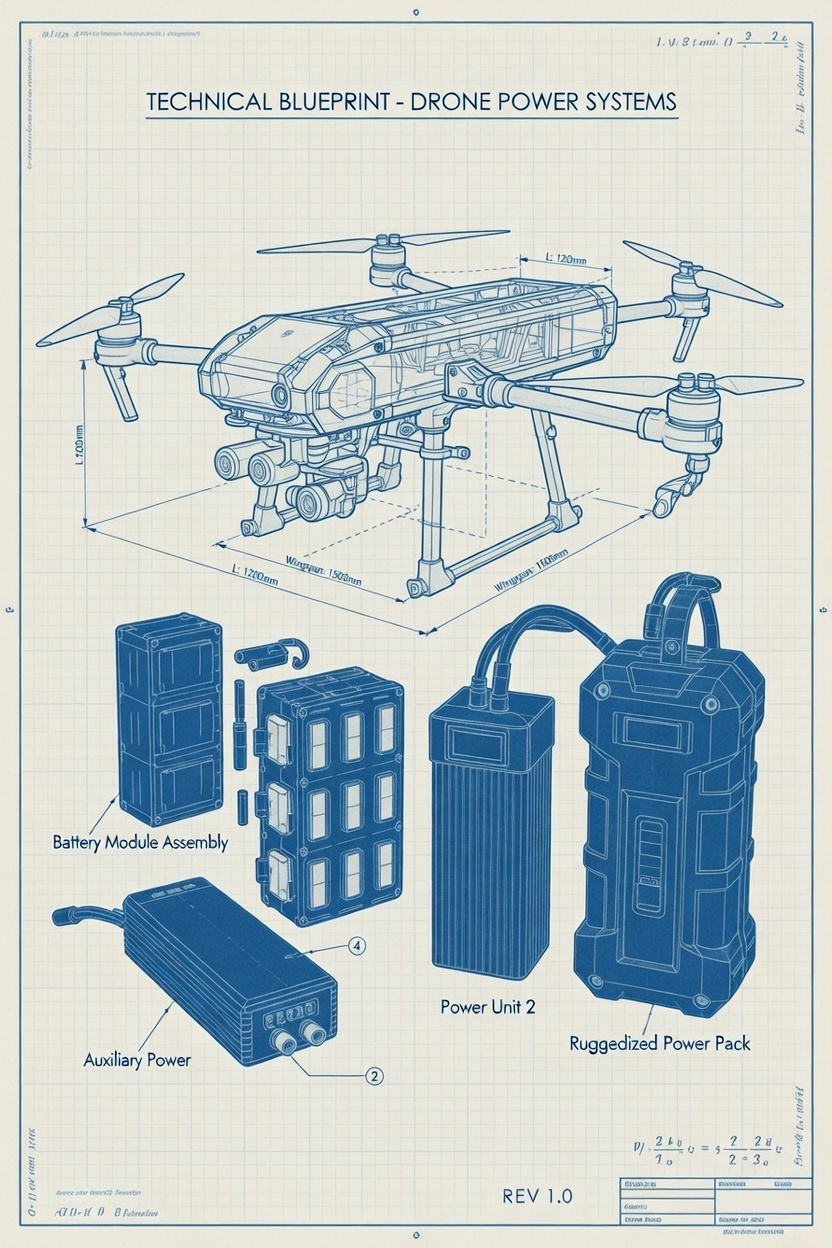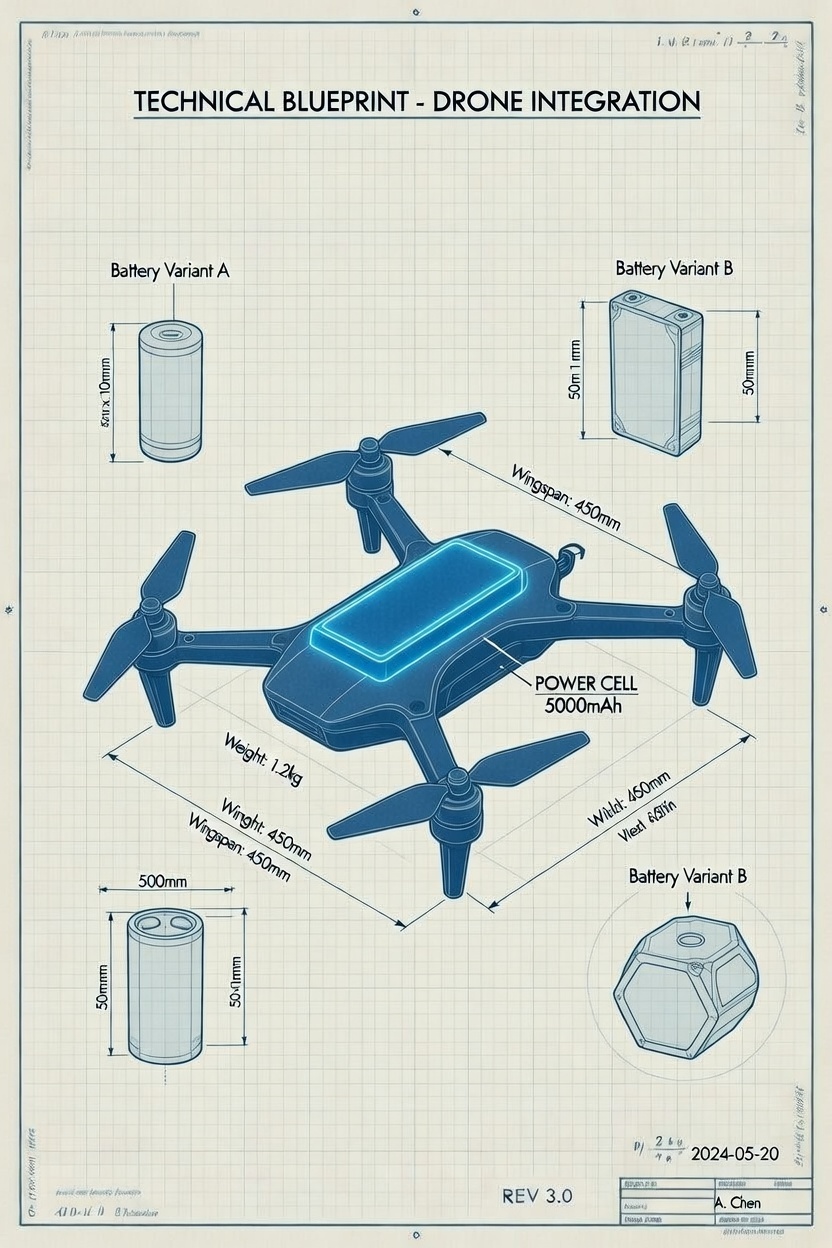
2024 Drone Battery Trends: Technical Compatibility for Security and Surveillance Firms
The drone industry stands at a critical crossroads. Security and surveillance firms worldwide face an unprecedented challenge: ensuring their aerial assets remain operational while navigating an increasingly complex landscape of battery technology, regulatory compliance, and technical compatibility requirements. As we move through 2024 and into 2025, the stakes have never been higher.
The Critical Challenge Facing Security Operations Today
Imagine this scenario: A security team deploys drones for perimeter monitoring at a critical infrastructure facility. Mid-mission, battery compatibility issues cause unexpected downtime. The consequences? Compromised surveillance coverage, potential security breaches, and costly operational delays.
This isn’t hypothetical. According to recent market analysis from QYResearch, the global drone counter-surveillance and defense market reached $1.25 billion in 2024, with projections climbing to $1.894 billion by 2031. Yet, behind these impressive numbers lies a fundamental problem that many firms struggle to address: battery technical compatibility.
Key Challenges Identified
- Regulatory Compliance Complexity: New IATA regulations effective January 2025 require lithium batteries to be transported at no more than 30% state of charge
- Technology Fragmentation: Multiple battery chemistries (LiPo, Li-ion, emerging solid-state) create compatibility nightmares
- Security Protocol Integration: Battery management systems must align with encryption and authentication requirements
- Environmental Performance: Temperature extremes and altitude variations affect battery reliability in critical missions
Understanding Technical Compatibility Requirements
Technical compatibility extends far beyond simple voltage matching. For security and surveillance firms, it encompasses a holistic approach to power system integration.
Core Compatibility Dimensions
Electrical Specifications
- Voltage ranges must align with drone power distribution systems
- Discharge rates (C-ratings) need to match motor and payload requirements
- Communication protocols between battery and flight controller require standardization
Physical Integration
- Form factors must accommodate various drone platforms
- Mounting systems need to withstand vibration and environmental stress
- Weight distribution affects flight stability and mission duration
Security Features
- Authentication protocols prevent unauthorized battery usage
- Encryption protects battery health data from interception
- Tamper detection alerts operators to potential compromise
2024-2025 Battery Technology Trends Shaping the Industry
The drone battery landscape is evolving rapidly. Several key trends are reshaping what security firms should expect from their power systems.
Solid-State Technology Emergence
According to Global Info Research’s 2026 drone smart battery report, solid-state and semi-solid battery technologies are transitioning from laboratory settings to small-scale commercialization. These innovations promise:
- Enhanced energy density for extended mission ranges
- Improved safety margins reducing thermal runaway risks
- Better performance in extreme temperature conditions
Smart Battery Management Systems
Modern drone batteries now incorporate sophisticated BMS capabilities:
- Real-time health monitoring and predictive maintenance alerts
- Automated cell balancing for optimal performance
- Integration with fleet management software platforms
- Remote diagnostics reducing downtime
High-Rate Discharge Capabilities
Security drones often require rapid power delivery for:
- Emergency evasion maneuvers
- High-speed pursuit operations
- Payload activation (cameras, sensors, communication equipment)
Leading manufacturers now offer batteries with discharge rates exceeding 50C, ensuring power availability when missions demand it most.
Security Implications of Battery Selection
Battery choices directly impact operational security. Firms must consider multiple factors beyond basic specifications.
Supply Chain Security
Recent investments, such as Deloitte’s partnership with Kihomac announced in October 2025, highlight growing concerns about drone manufacturing supply chains. Security firms should:
- Verify battery component origins
- Ensure manufacturing facilities meet security clearance requirements
- Maintain redundancy in supplier relationships
Data Protection
Smart batteries generate substantial operational data. Protecting this information requires:
- Encrypted communication channels between battery and ground stations
- Secure storage of battery health logs
- Regular firmware updates addressing vulnerabilities
Regulatory Compliance
The 2025 IATA Dangerous Goods Regulations introduce stricter requirements for lithium battery transport. Security firms operating internationally must:
- Train personnel on new shipping protocols
- Update documentation procedures
- Implement state-of-charge monitoring before transport
Practical Solutions for Security Firms
Addressing compatibility challenges requires systematic approaches. Here are actionable strategies security and surveillance firms can implement immediately.
Standardization Strategy
Develop Internal Specifications
- Create standardized battery requirements across your drone fleet
- Document voltage, capacity, and form factor requirements
- Establish approved vendor lists with vetted suppliers
Implement Testing Protocols
- Conduct compatibility testing before deploying new battery models
- Verify performance under expected operational conditions
- Maintain records of test results for compliance audits
Maintenance Best Practices
Proper battery maintenance extends operational life and ensures reliability:
- Store batteries at recommended temperatures (typically 15-25°C)
- Follow manufacturer charging cycles precisely
- Monitor cell voltage balance regularly
- Replace batteries showing capacity degradation beyond 20%
For comprehensive guidance on battery maintenance, explore our resources at https://cnsbattery.com/drone-battery-home/drone-battery-help-center/
Fleet Management Integration
Modern security operations benefit from centralized battery tracking:
- Monitor battery health across entire drone fleets
- Schedule proactive replacements before failures occur
- Optimize battery rotation to maximize usable life
- Generate compliance reports for regulatory audits
Case Study: Multi-Site Security Operation
Consider a security firm managing drone operations across five facilities. Before implementing standardized battery protocols, they experienced:
- 23% mission abort rate due to battery issues
- Incompatible batteries across different drone models
- No visibility into battery health status
- Monthly downtime averaging 47 hours
After implementing comprehensive battery compatibility standards:
- Mission abort rate dropped to 4%
- Battery inventory reduced by 35% through standardization
- Real-time health monitoring enabled predictive maintenance
- Downtime decreased to 8 hours monthly
This transformation demonstrates the tangible benefits of addressing technical compatibility systematically.
Future-Proofing Your Battery Strategy
The drone battery landscape will continue evolving. Security firms must adopt forward-thinking approaches to remain competitive.
Technology Roadmap Planning
- Evaluate emerging battery chemistries annually
- Plan migration paths for existing drone fleets
- Budget for technology refresh cycles (typically 3-5 years)
- Maintain relationships with multiple battery suppliers
Training and Certification
Invest in personnel development:
- Battery handling and safety certification programs
- Technical training on new battery management systems
- Regular updates on regulatory changes
- Cross-training to ensure operational redundancy
Performance Benchmarking
Establish metrics to evaluate battery performance:
- Mission completion rates
- Battery cycle life achievement
- Cost per flight hour
- Safety incident frequency
Taking Action: Your Next Steps
The information presented here provides a foundation for improving your drone battery compatibility strategy. However, knowledge alone doesn’t solve operational challenges. Action does.
Immediate Actions
- Audit Current Battery Inventory: Document all battery models, specifications, and compatibility status across your drone fleet
- Review Maintenance Procedures: Compare current practices against manufacturer recommendations and industry best practices
- Assess Compliance Status: Verify alignment with current regulations, particularly regarding transport and storage requirements
- Evaluate Supplier Relationships: Ensure your battery suppliers meet security and quality standards
Long-Term Strategy Development
- Create a 3-year battery technology roadmap
- Establish partnerships with reputable battery manufacturers
- Implement fleet-wide battery management software
- Develop internal expertise through training programs
Explore Professional Solutions
Security and surveillance firms need reliable partners who understand the unique demands of professional drone operations. Quality battery solutions combine technical excellence with security-conscious design.
For detailed specifications on industrial drone batteries designed for security applications, visit https://cnsbattery.com/drone-battery-home/drone-battery/
Every mission depends on reliable power. Every second counts when security is at stake. Don’t let battery compatibility issues compromise your operations.
Ready to optimize your drone battery strategy? Contact our team of specialists who understand the unique requirements of security and surveillance operations. We’ll help you navigate technical compatibility challenges and implement solutions that keep your drones airborne when it matters most.
Reach out today at https://cnsbattery.com/drone-battery-home/drone-battery-contact to discuss your specific requirements and discover how professional-grade battery solutions can transform your operational capabilities.
The future of security operations depends on reliable, compatible, and secure power systems. Make the choice that keeps your missions flying forward.
This article provides general guidance for security and surveillance firms. Always consult with qualified professionals and refer to manufacturer specifications before making battery procurement or operational decisions. Regulations and technology standards evolve continuously—stay informed through official channels and industry resources.