Quick Tips on BMW i3 EV Battery Environmental Impact [2026 Update]
As electric vehicle adoption accelerates in 2026, BMW i3 owners are increasingly concerned about their battery’s environmental footprint. Understanding the sustainability implications of your EV battery isn’t just eco-conscious—it’s essential for making informed replacement and upgrade decisions.
Understanding BMW i3 Battery Environmental Impact
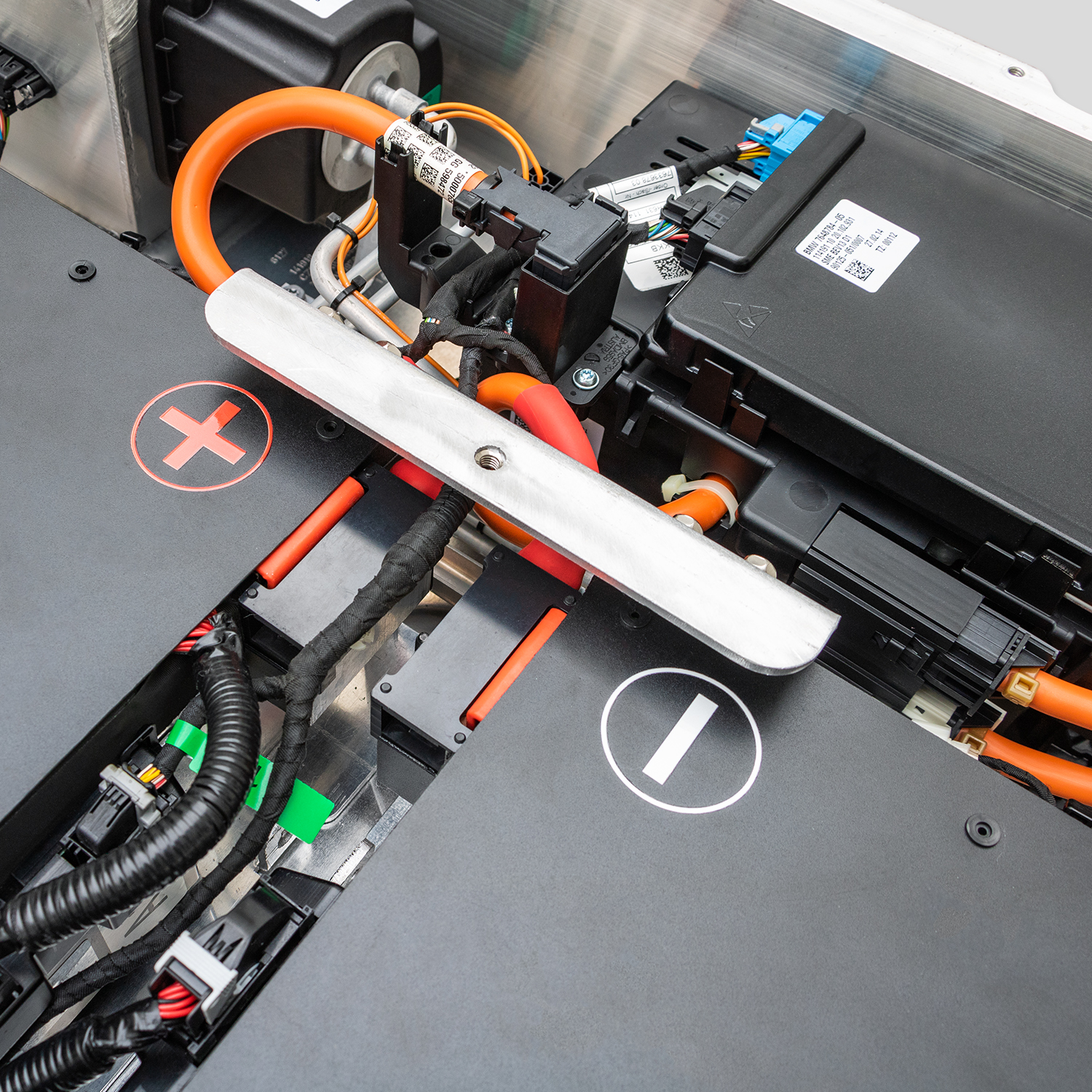
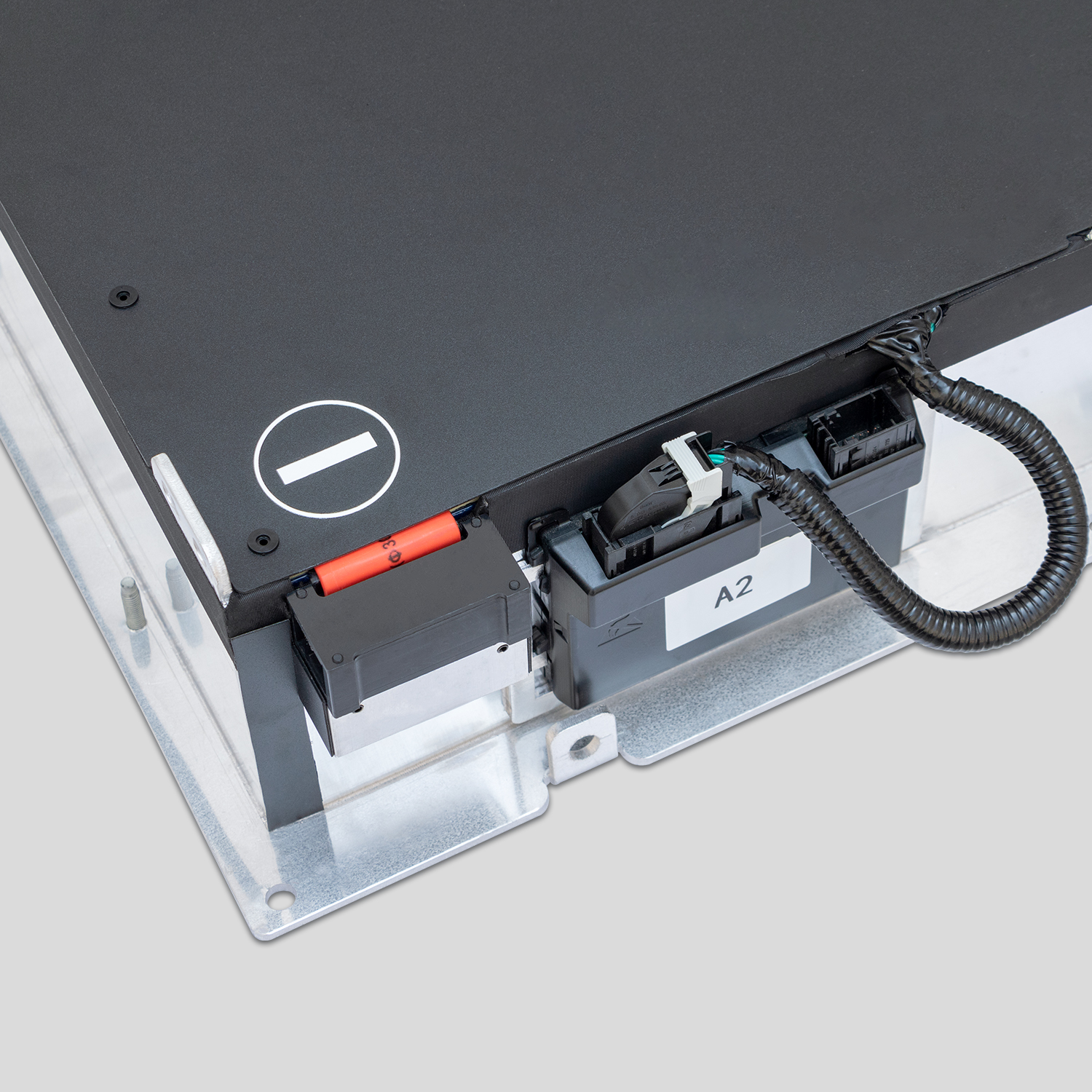
The BMW i3, with its 70.2kWh to 79.1kWh battery capacity, represents a significant investment in sustainable transportation. However, lithium-ion batteries carry environmental considerations throughout their lifecycle—from manufacturing to disposal.
Key Environmental Factors
Manufacturing Impact: Battery production accounts for approximately 40% of an EV’s total carbon footprint. The extraction of lithium, cobalt, and nickel requires substantial energy and can affect local ecosystems.
Operational Efficiency: A well-maintained BMW i3 battery delivers optimal performance while minimizing energy waste. Degraded batteries consume more electricity per kilometer, indirectly increasing environmental impact.
End-of-Life Management: Proper recycling recovers up to 95% of battery materials, reducing the need for new mining operations.
Why Battery Replacement Matters for Sustainability
When your BMW i3 battery reaches 70-80% State of Health (SOH), replacement becomes necessary. Choosing the right replacement option significantly affects environmental outcomes.
OEM vs. Quality Aftermarket Solutions
Original equipment manufacturer (OEM) batteries ensure compatibility but often come with higher costs and longer supply chains. Quality aftermarket alternatives from trusted providers like CNS BATTERY offer:
- Reduced carbon footprint through localized manufacturing
- Competitive pricing without compromising quality
- Extended vehicle lifespan, preventing premature EV disposal
- Certified safety standards matching OEM specifications
2026 Battery Technology Advancements
The EV battery landscape has evolved significantly. Modern replacement batteries feature:
Improved Energy Density: Newer battery packs deliver more range per kilogram, reducing material usage.
Enhanced Thermal Management: Advanced cooling systems extend battery life and maintain efficiency across varying climates.
Recyclable Design: 2026 battery designs prioritize end-of-life material recovery, supporting circular economy principles.
Practical Tips for Minimizing Environmental Impact
1. Optimize Charging Habits
Charge during off-peak hours when renewable energy sources contribute more to the grid. Avoid frequent 100% charges unless necessary for long trips.
2. Maintain Battery Health
Keep your battery between 20-80% charge for daily use. Extreme temperatures accelerate degradation—park in shaded areas during summer and utilize preconditioning in winter.
3. Choose Sustainable Replacement Options
When replacement becomes necessary, select providers committed to environmental responsibility. CNS BATTERY prioritizes sustainable manufacturing practices and offers batteries designed for maximum lifespan.
4. Recycle Responsibly
Never dispose of EV batteries in regular waste streams. Work with certified recyclers who can safely recover valuable materials for reuse in new battery production.
Making the Right Choice for Your BMW i3
Upgrading your BMW i3 battery isn’t just about restoring range—it’s an opportunity to reduce your overall environmental footprint. Quality replacement batteries extend vehicle life by 5-8 years, preventing the substantial environmental cost of manufacturing an entirely new EV.
CNS BATTERY specializes in BMW i3 battery solutions that balance performance, affordability, and sustainability. Our expert team ensures proper installation and provides ongoing support to maximize your battery’s lifespan.
FAQ: BMW i3 Battery Environmental Questions
Q1: How long does a BMW i3 battery last before replacement?
A: Most BMW i3 batteries maintain 80% capacity for 8-10 years or 100,000-150,000 kilometers. Actual lifespan depends on charging habits, climate, and usage patterns.
Q2: Is replacing the battery more environmentally friendly than buying a new EV?
A: Yes. Battery replacement extends vehicle life significantly, avoiding the substantial environmental impact of manufacturing a completely new electric vehicle.
Q3: Can old BMW i3 batteries be recycled?
A: Absolutely. Up to 95% of battery materials can be recovered through proper recycling programs. Always work with certified recyclers.
Q4: What’s the environmental difference between OEM and aftermarket batteries?
A: Quality aftermarket batteries from reputable providers often have lower transportation emissions due to localized production. Ensure any provider meets safety and performance standards.
Q5: How do I know if my BMW i3 battery needs replacement?
A: Watch for significant range reduction (below 70% original capacity), slower charging speeds, or warning messages. Professional diagnostic testing provides accurate assessment.
Ready to make a sustainable choice for your BMW i3? Contact our expert team today for personalized battery replacement solutions that protect both your investment and the environment.
👉 Get Your Free Consultation: https://cnsbattery.com/ev-battery-home/ev-battery-contact/
Visit our main page for complete EV battery solutions: https://cnsbattery.com/ev-battery-home