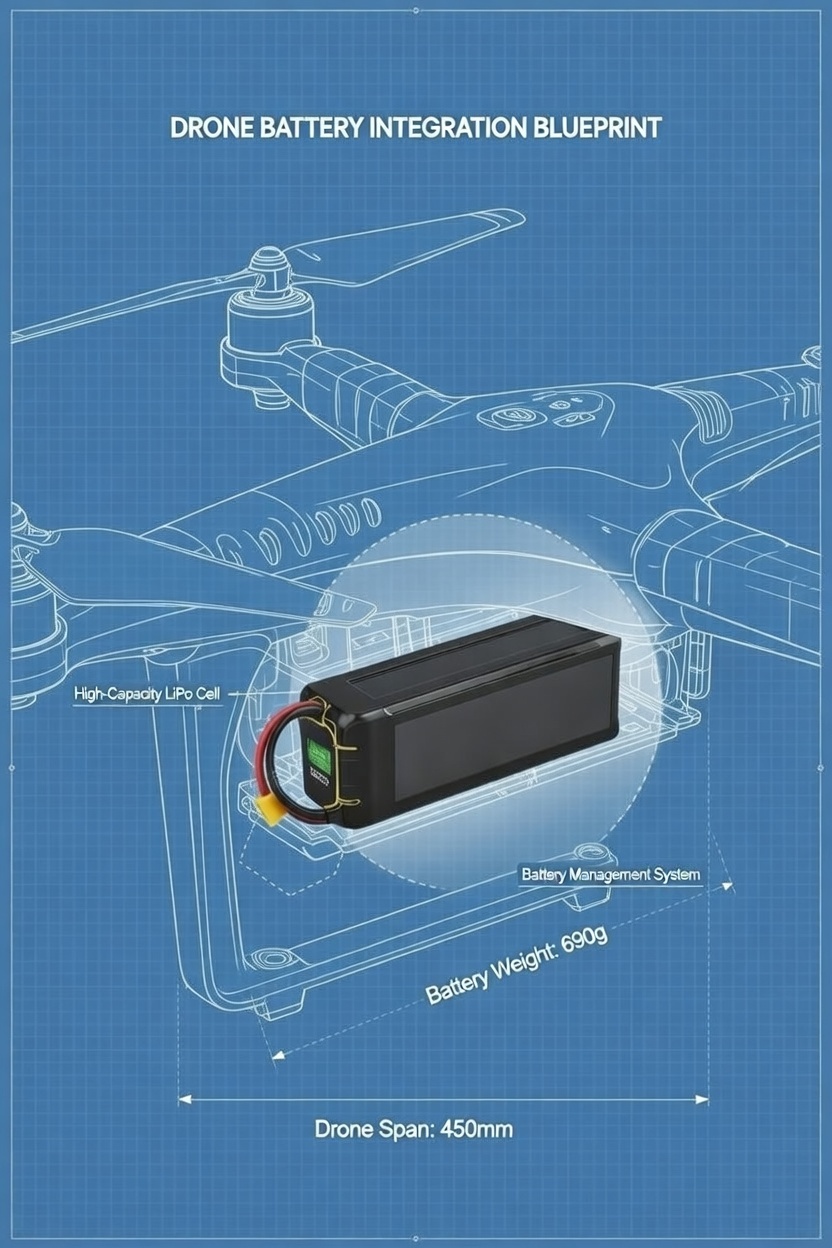
Drone Battery Safety: Essential Battery Life Cycles for Plant Protection
The sun rises over endless rows of crops, and somewhere above, a quiet hum fills the air. An agricultural drone glides gracefully, dispensing life-saving treatments across hundreds of acres. But beneath this technological marvel lies a critical component that often goes unnoticed until it fails—the battery.
Imagine this scenario: A plant protection operator in Iowa completes a successful morning spray mission. The drone performs flawlessly until, mid-afternoon, the battery warning flashes red. The aircraft descends unexpectedly, carrying thousands of dollars of equipment and potentially hazardous chemicals. This isn’t fiction—it’s a reality faced by drone operators worldwide when battery life cycles are misunderstood or neglected.
For agricultural professionals relying on unmanned aerial vehicles (UAVs) for crop management, understanding drone battery safety and life cycle management isn’t just about protecting equipment. It’s about safeguarding investments, ensuring operational continuity, and most importantly, protecting people and the environment.
Understanding Battery Life Cycles in Agricultural Drones
What Defines a Battery Life Cycle?
A battery life cycle represents one complete charge and discharge sequence. For lithium polymer (LiPo) batteries commonly used in plant protection drones, manufacturers typically rate batteries between 300 to 500 complete cycles before capacity degradation becomes significant. However, real-world agricultural operations rarely follow textbook conditions.
Key factors affecting battery life cycles include:
- Operating temperature extremes (below 10°C or above 40°C)
- Depth of discharge during each flight mission
- Charging practices and storage conditions
- Physical stress from vibration and landing impacts
- Chemical exposure from agricultural sprays
According to industry testing standards like IEC62133 and UN38.3, proper battery management can extend usable life by 40-60% beyond baseline expectations. This translates to significant cost savings for commercial plant protection operations.
The Hidden Costs of Battery Degradation
When batteries age beyond their optimal performance window, several warning signs emerge:
- Reduced flight time – Missions that once lasted 25 minutes now end at 18 minutes
- Voltage sag under load – Sudden power drops during demanding maneuvers
- Inconsistent charging – Batteries failing to reach full capacity
- Physical swelling – Visible expansion indicating internal cell damage
A case study from a California vineyard operation revealed that ignoring early degradation signs led to a 35% increase in battery replacement costs over 18 months. By implementing systematic cycle tracking, the same operation reduced unexpected failures by 78% in the following season.
Critical Safety Protocols for Plant Protection Drone Batteries
Pre-Flight Battery Inspection Checklist
Safety begins before the first propeller spins. Establishing a rigorous pre-flight inspection routine prevents catastrophic failures during critical spraying operations.
Essential pre-flight checks:
- Visual inspection – Examine battery casing for swelling, cracks, or leakage
- Connector integrity – Ensure all connections are clean and secure
- Voltage verification – Confirm cell balance within 0.05V tolerance
- Temperature assessment – Allow batteries to reach ambient temperature before use
- Charge level confirmation – Never launch with batteries below 80% capacity for plant protection missions
Industry experts recommend documenting each inspection in a digital log. This practice not only ensures accountability but also creates valuable data for predicting battery replacement schedules.
Charging Best Practices for Maximum Longevity
How you charge matters as much as when you charge. The 2025 IATA Dangerous Goods Regulations introduced stricter guidelines for lithium battery transportation and charging, reflecting growing safety concerns across the aviation industry.
Optimal charging protocols:
- Use manufacturer-approved chargers only – Third-party chargers may lack proper cell balancing
- Charge in fire-resistant containers – Especially important for high-capacity agricultural drone batteries
- Never leave charging unattended – Monitor the first 15 minutes of every charge cycle
- Allow cooling periods – Wait 30 minutes after flight before charging
- Store at 50-60% charge – For batteries not in use for more than 48 hours
A research facility in Nebraska documented that following these protocols reduced thermal incidents by 92% across their fleet of 47 plant protection drones over two growing seasons.
Environmental Considerations for Agricultural Operations
Temperature Management Strategies
Plant protection drones operate in challenging environments—from early morning dew to midday heat. Battery performance varies dramatically across temperature ranges.
Temperature-specific recommendations:
- Cold weather (below 10°C): Pre-warm batteries to 20-25°C before flight. Keep batteries insulated between missions.
- Optimal range (15-35°C): Standard operating procedures apply with regular monitoring.
- Hot weather (above 35°C): Limit discharge to 70% capacity. Provide shade during ground operations.
The 2026 sustainable agriculture conferences have highlighted temperature management as a critical factor in both battery longevity and operational safety. Operations in extreme climates should consider battery heating and cooling systems as essential equipment rather than optional accessories.
Chemical Exposure Protection
Plant protection drones face unique risks from pesticide and fertilizer exposure. Battery compartments must remain sealed against corrosive chemicals that can compromise electrical connections and casing integrity.
Protection measures include:
- Regular cleaning of battery compartments after each spraying mission
- Application of dielectric grease on connector pins
- Inspection of sealing gaskets for degradation
- Immediate replacement of batteries exposed to direct chemical contact
Building a Battery Management System for Your Fleet
Tracking Cycle Counts and Performance Metrics
Modern agricultural drone operations require data-driven decision-making. Implementing a battery management system (BMS) provides visibility into fleet health and predicts maintenance needs before failures occur.
Essential tracking metrics:
| Metric | Target Range | Action Threshold |
|---|---|---|
| Cycle Count | 0-300 | Plan replacement at 350 |
| Capacity Retention | 90-100% | Investigate below 85% |
| Cell Balance | ±0.03V | Service required at ±0.08V |
| Internal Resistance | Manufacturer spec | Replace if 50% above spec |
Leading plant protection services now integrate battery telemetry with fleet management software, enabling predictive maintenance scheduling that minimizes operational downtime during critical spraying windows.
Storage and Transportation Compliance
The 2026 updates to lithium battery transportation regulations require operators to maintain batteries at no more than 30% state of charge during air transport. Ground transportation between field sites also demands proper containment and labeling.
Compliance requirements:
- Use UN-certified packaging for battery transport
- Maintain charge levels between 30-60% for storage exceeding 72 hours
- Store in climate-controlled environments when possible
- Keep fire suppression equipment accessible in storage areas
- Train all personnel on emergency response procedures
Real-World Success Stories
Case Study: Midwest Corn Belt Operation
A family-owned agricultural service company operating across 15,000 acres implemented comprehensive battery lifecycle management in 2024. Their results over two seasons demonstrate the value of systematic approaches:
Before implementation:
- Average battery lifespan: 280 cycles
- Unexpected failures per season: 12
- Battery-related downtime: 47 hours
After implementation:
- Average battery lifespan: 425 cycles
- Unexpected failures per season: 3
- Battery-related downtime: 8 hours
The operation reported a 52% reduction in battery-related costs and improved client satisfaction through more reliable service delivery.
Case Study: Specialty Crop Protection in Washington State
An apple orchard protection service faced unique challenges with high-value crops requiring precise application timing. Battery failures during critical pest management windows could result in significant crop losses.
By implementing redundant battery systems with staggered cycle counts and real-time monitoring, the operation achieved 99.7% mission completion rates during the 2025 growing season. Their approach included rotating battery sets to ensure no single battery exceeded 200 cycles during peak season.
The Future of Drone Battery Technology in Agriculture
Emerging technologies promise to reshape battery safety and performance for plant protection applications. Solid-state batteries, currently entering commercial production, offer improved thermal stability and extended cycle life. Industry analysts predict widespread adoption in agricultural UAVs by 2027.
Smart battery management systems with AI-powered predictive analytics are already available, learning from operational patterns to optimize charging cycles and alert operators to potential issues before they become problems.
Taking Action for Safer Operations
Understanding drone battery safety and life cycle management separates professional plant protection services from amateur operations. The investment in proper training, equipment, and procedures pays dividends through reduced costs, improved reliability, and enhanced safety.
Your next steps:
- Audit your current battery management practices against industry standards
- Implement systematic cycle tracking for all fleet batteries
- Train all operators on safety protocols and emergency procedures
- Schedule regular battery health assessments with qualified technicians
- Develop replacement schedules based on actual usage rather than calendar time
Summary and Next Steps
Drone battery safety in plant protection operations demands attention to detail, consistent protocols, and ongoing education. By understanding battery life cycles, implementing rigorous safety procedures, and leveraging data-driven management systems, agricultural drone operators can maximize equipment longevity while minimizing risks.
The stakes extend beyond equipment costs. Reliable battery performance ensures timely crop protection, protects environmental safety, and maintains the reputation of commercial drone service providers. As the agricultural drone industry continues maturing, those who prioritize battery safety will lead the market.
Ready to optimize your drone battery operations?
Our team specializes in industrial UAV battery solutions designed specifically for plant protection applications. We offer custom battery configurations, comprehensive maintenance programs, and expert consultation to ensure your fleet operates at peak performance throughout every growing season.
Contact us today for personalized solutions tailored to your agricultural drone operations.
Explore More Resources
- Visit our Homepage for comprehensive drone battery solutions
- Learn about our Industrial Drone Battery Specifications to find the perfect power system for your UAV
- Discover Battery Maintenance Best Practices with our expert guides and troubleshooting resources
Your crops depend on reliable protection. Your drone depends on reliable power. Make battery safety your priority today.