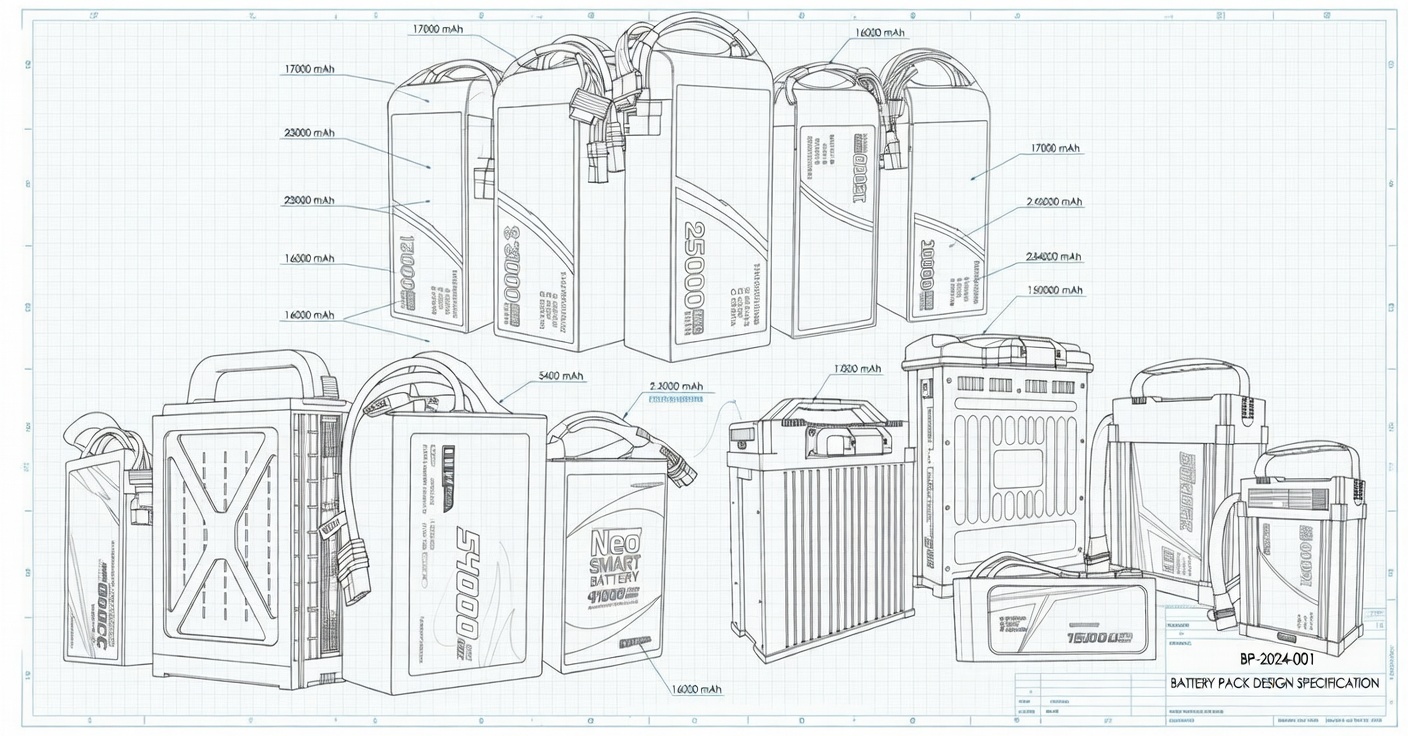
Drone Battery Safety: Essential Customization Options for Plant Protection
The sun rises over endless rows of crops, and somewhere above, a silent guardian hovers—powered by technology that could mean the difference between a bountiful harvest and catastrophic failure. In the world of agricultural drone operations, battery safety isn’t just a technical specification; it’s the foundation upon which entire farming operations rest.
Why Customization Matters More Than You Think
Imagine flying a plant protection drone over 500 acres of cornfield with a battery that wasn’t designed for your specific conditions. The temperature spikes. The discharge rate fluctuates. Suddenly, you’re facing an emergency landing in the middle of nowhere. This scenario isn’t fiction—it’s a daily reality for operators who overlook battery customization.
Custom drone batteries for agricultural applications offer three critical advantages that off-the-shelf solutions simply cannot match:
Precision Performance Matching: Every farm has unique requirements. Soil conditions, crop types, spray patterns, and flight durations vary dramatically. Customized batteries ensure your power system aligns perfectly with your operational demands, reducing the risk of unexpected power failures during critical spraying windows.
Enhanced Safety Protocols: Plant protection drones operate in challenging environments—exposed to chemicals, moisture, dust, and temperature extremes. Custom battery solutions integrate specialized protection features including thermal management systems, chemical-resistant casings, and advanced battery management systems (BMS) that monitor every cell in real-time.
Extended Operational Lifespan: Agricultural operations demand reliability across hundreds of flight cycles. Customized batteries designed specifically for plant protection applications typically deliver 30-40% longer service life compared to generic alternatives, translating to significant cost savings over time.
The Hidden Dangers of Standard Battery Solutions
Standard lithium polymer batteries weren’t engineered for the brutal conditions of agricultural aviation. When pesticides, fertilizers, and environmental factors combine with inadequate battery protection, the results can be devastating.
Chemical exposure corrodes battery terminals. Temperature fluctuations cause cell imbalance. Improper discharge rates lead to thermal runaway. These aren’t theoretical risks—they’re documented incidents that have grounded fleets and damaged equipment across the industry.
The 2025 International Air Transport Association regulations now mandate stricter transportation and safety standards for lithium batteries, particularly those used in commercial drone operations. This regulatory shift underscores what experienced operators already know: battery safety requires proactive customization, not reactive compliance.
Step-by-Step Guide to Customizing Your Plant Protection Drone Battery
Step 1: Assess Your Operational Profile
Before customization begins, document your specific requirements:
- Average flight duration per mission
- Payload weight (spray tanks, sensors, cameras)
- Operating temperature range
- Chemical exposure levels
- Charging infrastructure availability
For example, a rice farm in humid subtropical regions requires different battery specifications than a wheat operation in arid conditions. Understanding these variables forms the foundation of effective customization.
Step 2: Select Appropriate Cell Chemistry
Not all lithium batteries are created equal. For plant protection drones, consider these options:
LiPo (Lithium Polymer): Offers high discharge rates ideal for heavy payload operations. Best suited for intensive spraying missions requiring rapid power delivery.
Li-ion (Lithium Ion): Provides superior energy density and longer cycle life. Ideal for extended survey operations with moderate payload requirements.
Semi-Solid State: The emerging technology offering enhanced safety through reduced thermal runaway risk. Perfect for operations prioritizing maximum safety margins.
Step 3: Configure Battery Management Systems
A sophisticated BMS serves as your battery’s nervous system. Essential features include:
- Cell voltage monitoring (individual cell tracking)
- Temperature sensors at multiple points
- Over-current protection with automatic shutoff
- Balance charging capabilities
- Communication protocols for real-time data transmission
Advanced systems now integrate AI-driven predictive analytics, alerting operators to potential issues before they become critical failures.
Step 4: Design Protective Housing
Environmental protection extends beyond the cells themselves. Custom housing should address:
- IP67 or higher rating for water and dust resistance
- Chemical-resistant coatings for pesticide exposure
- Vibration dampening for stable flight performance
- Thermal insulation for extreme temperature operations
Step 5: Implement Testing Protocols
Before deployment, validate your customized battery through comprehensive testing:
- Cycle life testing (minimum 300 full cycles)
- Temperature stress testing (-20°C to 60°C range)
- Vibration and shock testing
- Chemical exposure simulation
- Emergency discharge scenarios
Real-World Example: Transforming Operations Through Customization
Consider the case of a 2,000-acre soybean operation in the American Midwest. The farm initially used standard 6S 22000mAh batteries purchased from generic suppliers. Within six months, they experienced:
- Three battery failures during critical spraying periods
- 15% reduction in effective flight time due to degradation
- Safety incidents requiring emergency landings
After implementing a customized battery solution featuring:
- 6S 27000mAh capacity with enhanced discharge rates
- Integrated thermal management system
- Chemical-resistant enclosure rated IP68
- Smart BMS with cellular connectivity for remote monitoring
The results transformed their operations:
- Zero battery failures across 500+ flight cycles
- 25% increase in effective coverage per charge
- Elimination of safety-related emergency landings
- 40% reduction in annual battery replacement costs
This example illustrates how strategic customization delivers measurable returns beyond mere safety compliance.
Critical Safety Features You Cannot Compromise
When customizing batteries for plant protection drones, certain features demand non-negotiable priority:
Thermal Runaway Prevention: Multi-layer protection including temperature sensors, current limiters, and physical separation between cells prevents catastrophic failures.
Over-Discharge Protection: Automatically cuts power before cells reach dangerous voltage levels, preserving battery health and preventing swelling or leakage.
Short Circuit Protection: Instant response to electrical faults prevents fire hazards and equipment damage.
Physical Impact Resistance: Reinforced casing protects against crashes and rough handling common in agricultural environments.
Chemical Sealing: Prevents corrosive substances from penetrating battery compartments and damaging internal components.
The Economic Case for Customization
Critics often cite higher upfront costs as a barrier to battery customization. However, this perspective ignores total cost of ownership. Consider the mathematics:
A standard battery package costs $200 per unit with an expected lifespan of 200 cycles. A customized solution costs $350 per unit but delivers 400+ cycles with 30% better performance retention.
Over 1,000 flight cycles:
- Standard batteries: 5 replacements = $1,000 plus downtime costs
- Customized batteries: 2.5 replacements = $875 plus minimal downtime
When factoring in reduced failure rates, improved operational efficiency, and eliminated safety incidents, customized batteries typically deliver positive ROI within 12-18 months of operation.
Future-Proofing Your Investment
The agricultural drone industry evolves rapidly. Today’s customization should accommodate tomorrow’s advancements:
- Modular designs allowing capacity upgrades
- Firmware-updateable BMS for new safety protocols
- Compatibility with emerging charging technologies
- Scalable configurations for fleet expansion
Investing in flexible customization ensures your battery infrastructure grows alongside your operations rather than becoming obsolete.
Taking the Next Step
Battery safety in plant protection operations isn’t optional—it’s essential. The difference between generic and customized solutions often determines whether your drone fleet becomes a competitive advantage or a liability.
Ready to explore how customized battery solutions can transform your agricultural drone operations? Visit our homepage at https://cnsbattery.com/drone-battery-home to discover comprehensive solutions designed specifically for plant protection applications.
For detailed specifications on industrial drone batteries engineered for agricultural use, explore our product catalog at https://cnsbattery.com/drone-battery-home/drone-battery/. Understanding the technical foundations empowers better decision-making for your specific operational requirements.
Maintaining battery safety extends beyond initial customization. Access our comprehensive maintenance best practices guide at https://cnsbattery.com/drone-battery-home/drone-battery-help-center/ to maximize battery lifespan and ensure continued safe operation throughout your equipment’s service life.
Have questions about customizing batteries for your specific plant protection needs? Our technical team stands ready to provide personalized consultation. Reach out through our contact page at https://cnsbattery.com/drone-battery-home/drone-battery-contact to discuss your requirements with industry experts who understand the unique challenges of agricultural drone operations.
The sky above your fields represents opportunity—but only when powered by safe, reliable, customized battery solutions. The choice between generic and specialized power systems isn’t merely technical; it’s strategic. Your crops, your equipment, and your operators deserve nothing less than the safest, most efficient power solution available.
In an industry where margins matter and safety is paramount, battery customization transforms from an option into an obligation. The question isn’t whether you can afford to customize—it’s whether you can afford not to.