Drone Battery Buyer’s Guide: Focus on Regulatory Compliance for Agricultural Operators
The agricultural sector is witnessing a unprecedented transformation driven by unmanned aerial vehicles (UAVs). As we move through 2026, drones are no longer just novelty tools; they are critical assets for crop monitoring, spraying, and precision agriculture. However, with this increased reliance comes a heightened responsibility regarding power sources. The heart of any agricultural drone is its battery, and selecting the right one involves far more than just capacity and voltage. For agricultural operators, regulatory compliance has become the defining factor in operational legality, safety, and long-term viability.
Navigating the complex web of international and local regulations can be daunting. This guide is designed to streamline that process. We will explore the critical regulatory landscapes governing drone batteries, detail the selection criteria for compliant power systems, and outline best practices for storage and transportation. By understanding these elements, operators can mitigate risks, avoid costly fines, and ensure their fleets remain airborne and productive. The following sections will provide a strategic roadmap for purchasing and managing drone batteries with a strict focus on compliance.
Understanding the 2026 Regulatory Landscape
The regulatory environment for drone batteries has evolved significantly. In 2026, authorities worldwide are tightening restrictions to address safety concerns related to lithium-based energy storage. For agricultural operators, who often manage large fleets and high-capacity batteries, understanding these rules is paramount.
In the European Union, the new Battery Regulation has entered its substantive execution phase. This legislation introduces the concept of a “Battery Passport” for industrial batteries with a capacity greater than 2kWh. This digital passport must contain detailed information about the battery’s chemical composition, carbon footprint, and supply chain due diligence. For an agricultural operator importing or using drones in this region, ensuring your batteries possess this digital identity is no longer optional; it is a legal requirement. Failure to comply can result in the grounding of fleets and significant financial penalties.
Meanwhile, in the United States, the Federal Aviation Administration (FAA) continues to refine its stance on propulsion batteries. It is crucial to note that standard technical standard orders (TSO) like C179b are often considered insufficient for high-energy propulsion systems used in heavy-lift agricultural drones. The FAA and the European Union Aviation Safety Agency (EASA) have issued joint statements emphasizing that propulsion battery systems require rigorous performance assessment beyond standard consumer electronics certifications. Operators must verify that their battery suppliers adhere to these heightened aviation-specific standards rather than relying on generic commercial certifications.
Selecting Compliant Batteries for Agricultural Use
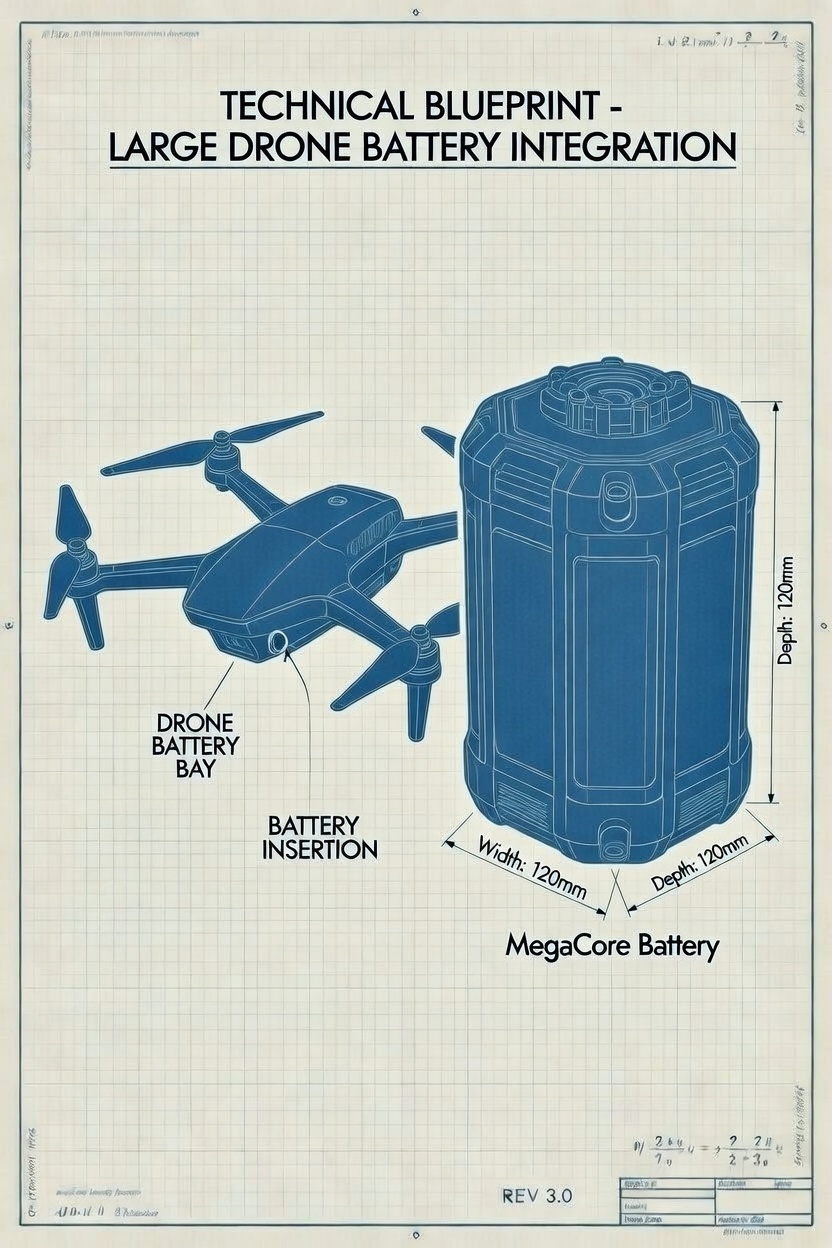
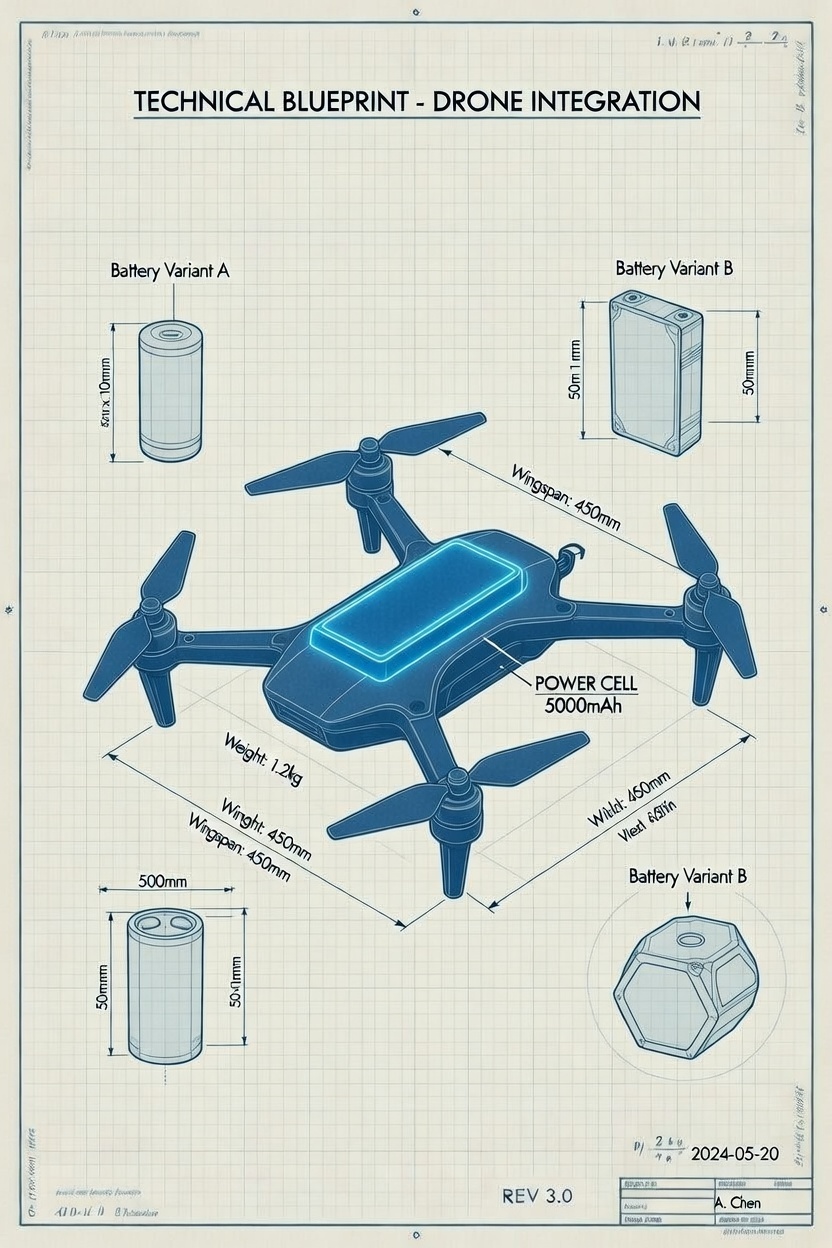
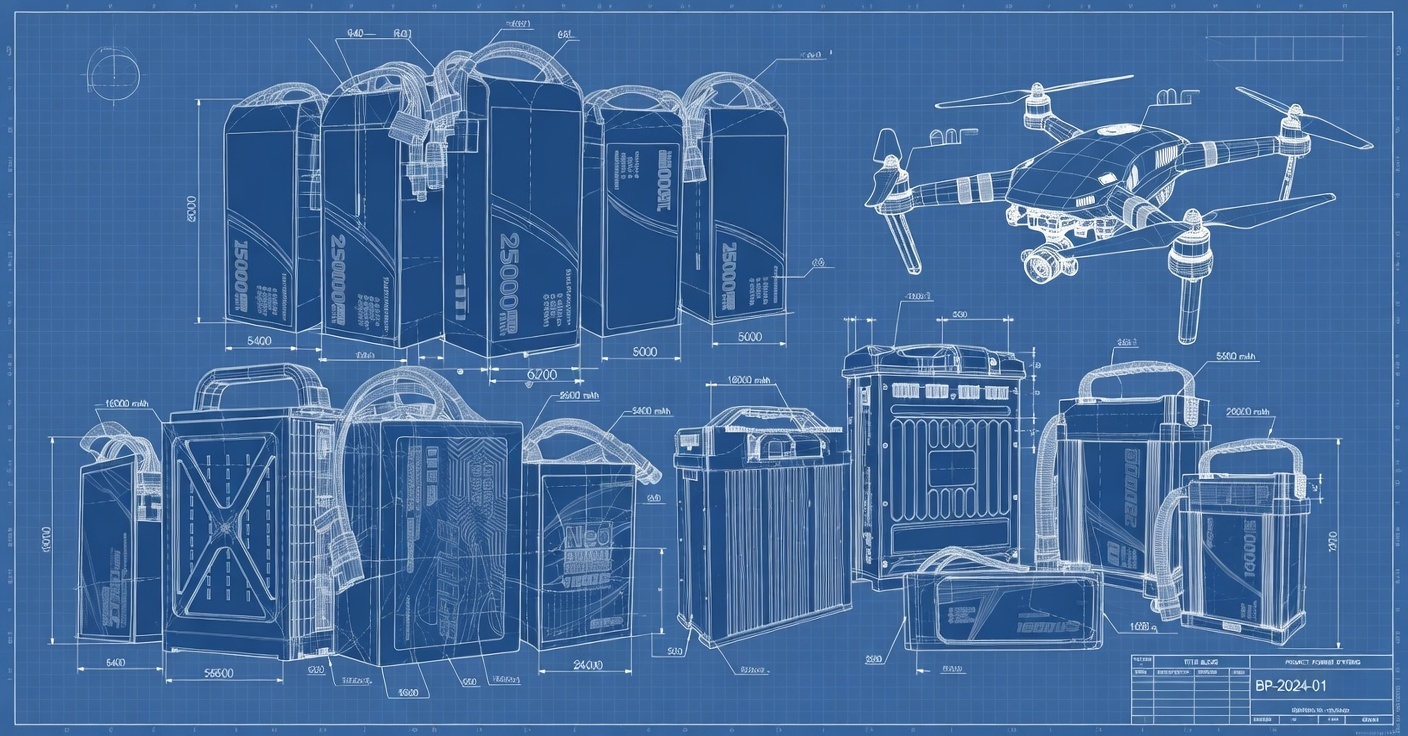
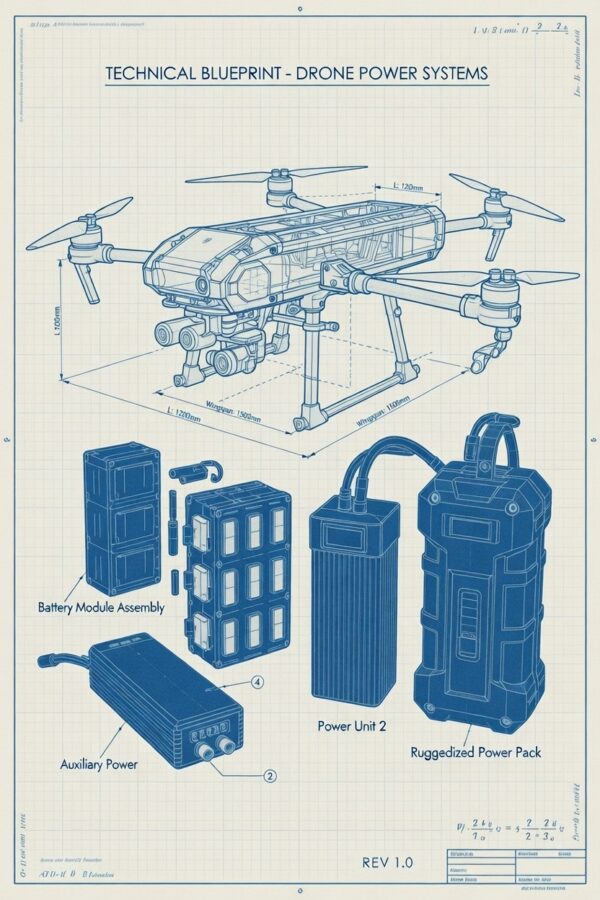
When procuring batteries for agricultural drones, the specification sheet is your first line of defense against compliance issues. Not all lithium polymer (LiPo) or lithium-ion (Li-ion) batteries are created equal. Agricultural drones operate in harsh environments, carrying heavy payloads over fields, which places immense stress on the power system.
First, verify the UN38.3 certification. This is the global standard for the safe transport of lithium batteries. Without this certification, shipping batteries across borders or even domestically via air freight can be illegal. Second, look for specific aviation-grade certifications. Suppliers should be able to provide documentation proving that the battery cells and the battery management system (BMS) meet aviation safety protocols. This includes protection against overcharging, deep discharge, and thermal runaway.
Operators should also consider the compatibility of the battery with their specific drone model. Using non-certified third-party batteries can void warranties and violate insurance policies. To ensure you are selecting the correct specifications for your fleet, it is advisable to review detailed technical documentation. You can 了解我们的工业无人机电池规格 to compare capacity, discharge rates, and certification standards against your operational requirements. Choosing a battery that aligns with both your drone’s engineering and regulatory mandates is the foundation of a compliant operation.
Transportation and Storage Compliance
Once you have purchased compliant batteries, the challenge shifts to logistics. The transportation of lithium batteries is classified under hazardous materials (Hazmat) regulations. For agricultural operators who may need to move batteries between warehouses, fields, or across state lines, adherence to these rules is critical.
Batteries must be packaged in accordance with packing instruction standards, which often require specific labeling, state of charge limits (usually below 30% for air transport), and robust outer packaging to prevent short circuits. Ground transportation also has its own set of rules regarding quantity limits per vehicle and driver training requirements. Ignoring these protocols can lead to severe legal consequences and safety hazards.
Storage is equally regulated. Lithium batteries degrade faster in extreme temperatures, and improper storage can lead to thermal events. Regulations often mandate that batteries be stored in fire-resistant containers or dedicated facilities with temperature control systems. Operators should implement a storage protocol that monitors humidity and temperature continuously. For detailed guidelines on maintaining battery health and safety during storage, you should 了解电池维护最佳实践. These resources provide essential knowledge on preventing degradation and ensuring that your stored energy remains safe and ready for deployment.
Operational Safety and Documentation
Compliance does not end when the battery is installed. Operational safety requires diligent documentation. Regulatory bodies often require operators to maintain logs of battery cycles, charging events, and maintenance checks. This data is crucial for traceability in the event of an incident.
In the context of the EU Battery Passport, digital tracking of the battery’s lifecycle is becoming standard. Operators should utilize software solutions that automatically log battery health data. This not only satisfies regulatory requirements but also helps in predictive maintenance, allowing operators to replace batteries before they fail in the field. Furthermore, disposal of end-of-life batteries must follow environmental regulations. Lithium batteries cannot be thrown into standard waste streams; they must be recycled through certified handlers to recover valuable materials and prevent environmental contamination.
Insurance providers are also increasingly demanding proof of compliance. Before issuing a policy, insurers may audit your battery procurement, storage, and maintenance records. Having a robust documentation system in place demonstrates professionalism and reduces liability premiums. It proves that your operation prioritizes safety and adheres to industry standards.
Management Tips for Agricultural Operators
To streamline compliance and operational efficiency, consider implementing the following management strategies:
- Centralize Procurement: Buy batteries from a single, verified supplier to ensure consistency in certifications and simplify documentation.
- Implement Digital Logging: Use fleet management software to track battery cycles, charge times, and health status automatically.
- Regular Audits: Conduct quarterly audits of your storage facilities to ensure temperature controls and fire safety measures are functioning correctly.
- Staff Training: Ensure all personnel handling batteries are trained in Hazmat regulations and emergency response procedures for thermal events.
- Recycling Partnerships: Establish contracts with certified recycling firms to handle end-of-life batteries compliantly.
- Insurance Review: Annually review your insurance policy to ensure it covers the latest regulatory requirements for drone batteries.
- Emergency Protocols: Develop and drill specific emergency response plans for battery fires, including the use of appropriate extinguishing agents.
Conclusion
The era of unregulated drone operations is over. For agricultural operators in 2026, regulatory compliance is not just a legal obligation; it is a strategic advantage. By prioritizing compliant battery procurement, adhering to strict transportation and storage protocols, and maintaining meticulous documentation, operators can protect their assets and their reputation. The landscape is complex, but with the right knowledge and partners, it is entirely manageable.
Investing in compliant power systems ensures that your agricultural drone fleet remains operational, safe, and profitable. It minimizes downtime caused by regulatory inspections and maximizes the lifespan of your equipment. As the industry continues to evolve, staying ahead of regulatory curves will distinguish leading operators from the rest.
Take Action Today
Navigating these regulations requires a partner who understands both the technology and the compliance landscape. Do not leave your operational legality to chance. Whether you need specific technical data, assistance with maintenance protocols, or direct support for your fleet’s power needs, our team is ready to assist.
Visit our 首页 to explore our full range of solutions. For personalized assistance and to discuss how our compliant battery systems can integrate with your agricultural operations, please 联系我们. Secure your fleet’s future with power solutions that meet the highest standards of safety and regulation.