

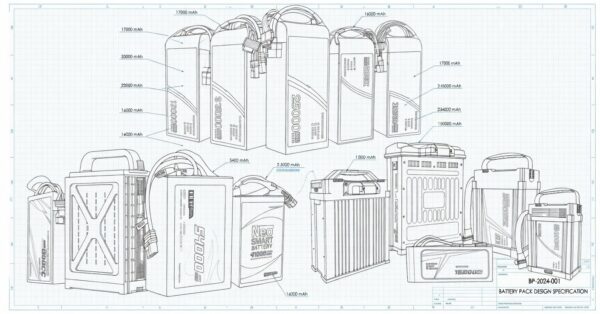
Drone Battery Safety: Essential Battery Life Cycles for Public Safety
The skies above our cities are becoming increasingly crowded. From emergency response units monitoring wildfire perimeters to delivery services dropping packages in suburban neighborhoods, unmanned aerial vehicles (UAVs) have transitioned from hobbyist toys to critical public infrastructure. However, beneath the humming rotors and advanced flight controllers lies a component that demands the utmost respect and vigilance: the battery. While drone technology has soared, battery safety remains a grounded concern with high stakes. A battery failure at altitude is not merely an equipment loss; it is a potential public safety hazard. Falling debris, uncontrolled descent, and even thermal events can endanger people and property below. Understanding the intricacies of drone battery safety, particularly regarding essential battery life cycles, is no longer optional for professional operators—it is a mandate for responsible aviation.
The core of this safety paradigm lies in the chemistry and physics of energy storage. Most industrial drones rely on Lithium Polymer (LiPo) or Lithium-ion (Li-ion) cells due to their high energy density. Yet, this density comes with volatility. As these batteries age, their internal resistance increases, and their capacity diminishes. Ignoring the signs of degradation can lead to catastrophic voltage sag mid-flight or, in worse scenarios, thermal runaway. For public safety agencies, where mission success often correlates with human life, relying on a battery past its prime is an unacceptable risk. This article delves into the engineering realities of battery life cycles, outlines the primary causes of failure, and provides actionable prevention strategies to ensure every flight is as safe as it is effective.
Understanding the Battery Life Cycle
To manage safety, one must first understand the lifespan of the power source. A battery life cycle is defined as one complete discharge and recharge process. However, in professional drone operations, cycles are rarely 100% deep discharges. Manufacturers often rate batteries for a specific number of cycles before capacity drops below 80% of its original state. For industrial applications, this threshold is critical. Once a battery dips below this efficiency mark, its ability to deliver high current bursts required for emergency maneuvers or heavy payload lifting becomes compromised.
Engineering data suggests that environmental factors heavily influence cycle life. Operating in extreme heat accelerates chemical degradation within the cells, while extreme cold reduces immediate available capacity. Furthermore, storage conditions play a pivotal role. Leaving a battery fully charged for extended periods can cause swelling, while storing it fully discharged can lead to deep discharge states that render the cells unusable. Professional fleet managers must track cycle counts rigorously, treating each pack as a critical component with an expiration date rather than an indefinite resource.
Risk Causes: Why Batteries Fail
Understanding the root causes of battery failure is the first step toward mitigation. Incidents rarely happen without warning signs; they are usually the culmination of neglected maintenance or operational errors. Below are the primary risk factors identified through industry analysis and engineering reports:
- Physical Damage and Cell Compromise: Even minor crashes can damage the internal structure of battery cells. Micro-fractures in the separator layers can lead to internal short circuits, which may not manifest immediately but can cause spontaneous heating days later.
- Thermal Stress: Exposing batteries to high temperatures during operation or charging accelerates electrolyte breakdown. Conversely, charging frozen batteries can cause lithium plating, permanently damaging the cell structure and increasing the risk of internal shorts.
- Overcharging and Over-discharging: Pushing a battery beyond its voltage limits stresses the chemistry. Overcharging can lead to gas buildup and swelling, while over-discharging can cause copper shunting within the cell, leading to future failure.
- Improper Storage: Storing batteries at 100% charge for long periods increases internal pressure. Storing them at 0% risks dropping below the minimum voltage threshold, making them unsafe to recharge.
- Aging and Cycle Fatigue: As batteries age, internal resistance rises. This causes the battery to heat up more during use and deliver less power, increasing the likelihood of voltage sag during critical high-load moments.
Prevention Measures: Ensuring Operational Integrity
Mitigating these risks requires a disciplined approach to battery management. Safety is not just about buying high-quality cells; it is about how those cells are treated throughout their lifecycle. Implementing the following protocols can significantly reduce the probability of in-flight failures:
- Regular Visual Inspections: Before every flight, check for swelling, punctures, or damaged wires. If a battery pack looks puffed or feels hot to the touch after use, retire it immediately.
- Cycle Tracking and Retirement: Maintain a log of charge cycles for each pack. Establish a hard retirement policy, such as removing batteries from active duty after 300 cycles or when capacity drops below 85%, regardless of visual condition.
- Temperature Management: Always allow batteries to acclimate to room temperature before charging. Use insulated cases during transport in extreme weather to maintain optimal cell temperature.
- Safe Storage Practices: Store batteries at storage voltage (typically around 3.8V per cell) in a fire-resistant bag or container. Keep them in a cool, dry environment away from flammable materials.
- Utilize Smart Battery Management Systems (BMS): Invest in drones and batteries equipped with advanced BMS technology that monitors cell balance, temperature, and current in real-time, preventing operation if unsafe conditions are detected.
Engineering Solutions and Professional Standards
The gap between consumer-grade and industrial-grade drone power lies in engineering rigor. Professional operators require solutions that go beyond basic voltage monitoring. Advanced battery packs designed for public safety integrate redundant safety features, such as dual communication ports for fail-safe data transmission and heating elements for cold-weather operation. These engineering choices ensure that the battery communicates its health status to the pilot continuously.
For fleets operating in critical infrastructure roles, customization and specification matter. Standard off-the-shelf solutions may not meet the rigorous demands of specialized payloads or extended endurance requirements. Understanding the specific chemistry and discharge rates needed for your application is vital. You can learn more about the technical specifications required for high-stakes operations by visiting our page to 了解我们的工业无人机电池规格 https://cnsbattery.com/drone-battery-home/drone-battery/. Here, operators can assess whether their current power solutions align with the safety standards required for public sector work.
Furthermore, knowledge is the best safety device. A well-trained pilot knows not just how to fly, but how to care for the equipment. Establishing a culture of maintenance within your organization ensures that safety protocols are followed consistently. Resources dedicated to proper care can extend the life of your assets and, more importantly, protect the public. We recommend reviewing comprehensive guides to 了解电池维护最佳实践 https://cnsbattery.com/drone-battery-home/drone-battery-help-center/ to build a robust maintenance schedule for your fleet.
The Future of Safe Skies
As drone integration into national airspace systems deepens, regulatory bodies are expected to impose stricter guidelines on battery maintenance and reporting. Proactive operators who adopt high safety standards now will find themselves ahead of the curve. The goal is zero incidents. Achieving this requires a partnership between operators and manufacturers who prioritize safety over cost. It involves choosing power systems designed with redundancy, thermal stability, and rigorous testing in mind.
Public safety is paramount. Whether your drones are used for search and rescue, law enforcement, or infrastructure inspection, the reliability of your power source determines the success of the mission and the safety of those on the ground. Do not compromise on the heart of your aircraft. Ensure every cell is accounted for, every cycle is tracked, and every precaution is taken.
Explore Reliable Power Solutions
Safety begins with the right equipment. If you are looking to upgrade your fleet with batteries designed for endurance, reliability, and strict safety standards, we are here to assist. Our engineering team specializes in high-performance power solutions tailored for industrial UAV applications. We invite you to explore our catalog and discuss how we can support your operational needs.
For direct inquiries regarding custom specifications or safety certifications, please reach out to us directly. You can 联系我们 https://cnsbattery.com/drone-battery-home/drone-battery-contact to speak with a specialist who understands the critical nature of public safety operations. To browse our full range of products and return to our main portal, visit our 首页 https://cnsbattery.com/drone-battery-home. Together, we can ensure that the skies remain safe for everyone, powered by technology you can trust.


