Avoid Common Mistakes in Technical Compatibility for Agriculture Drones
Agricultural drones have revolutionized modern farming, offering unprecedented efficiency in crop monitoring, pesticide application, and field mapping. However, many farmers and agricultural operators encounter significant challenges when it comes to technical compatibility between drone components, particularly battery systems, flight controllers, and payload equipment. These compatibility issues can lead to reduced performance, safety hazards, and costly downtime during critical farming seasons.
Diagnosing Technical Compatibility Problems
Before implementing solutions, it is essential to identify the root causes of compatibility issues. Most agricultural drone operators experience problems in three key areas:
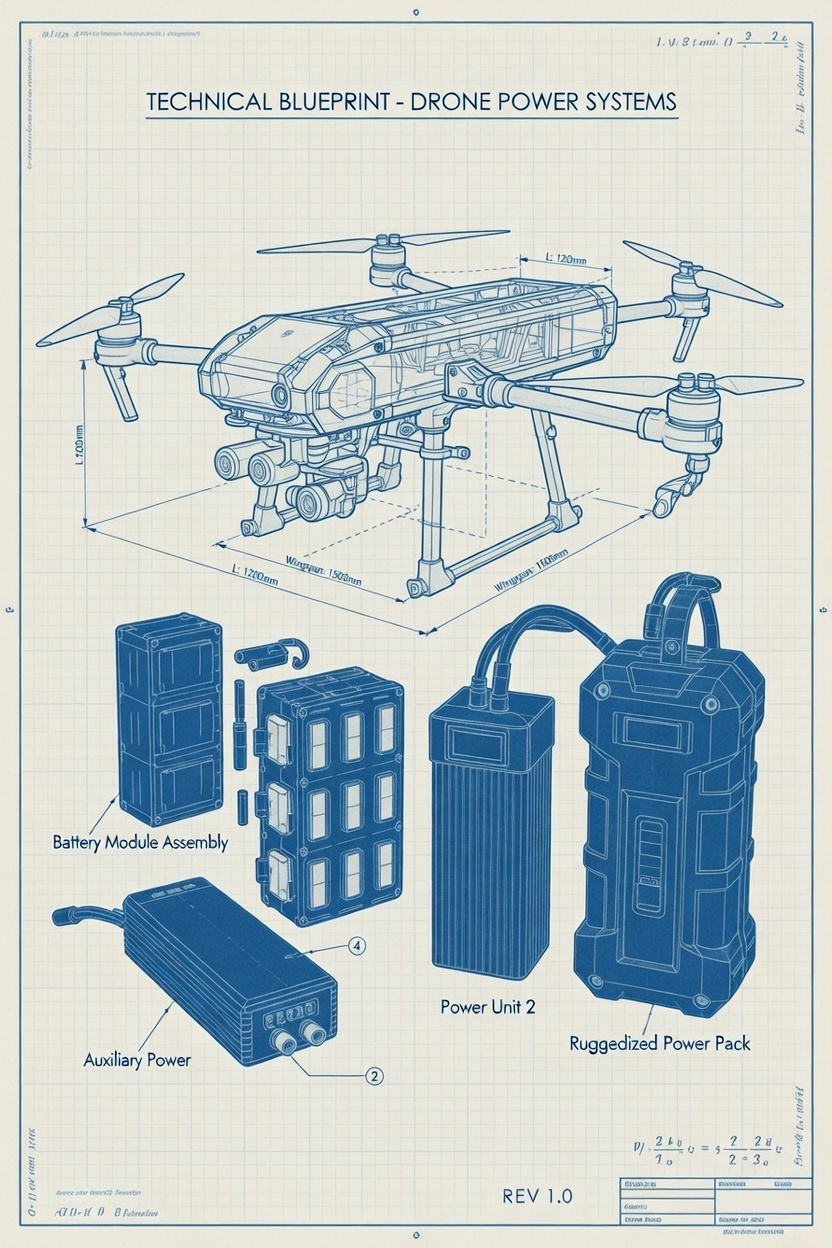
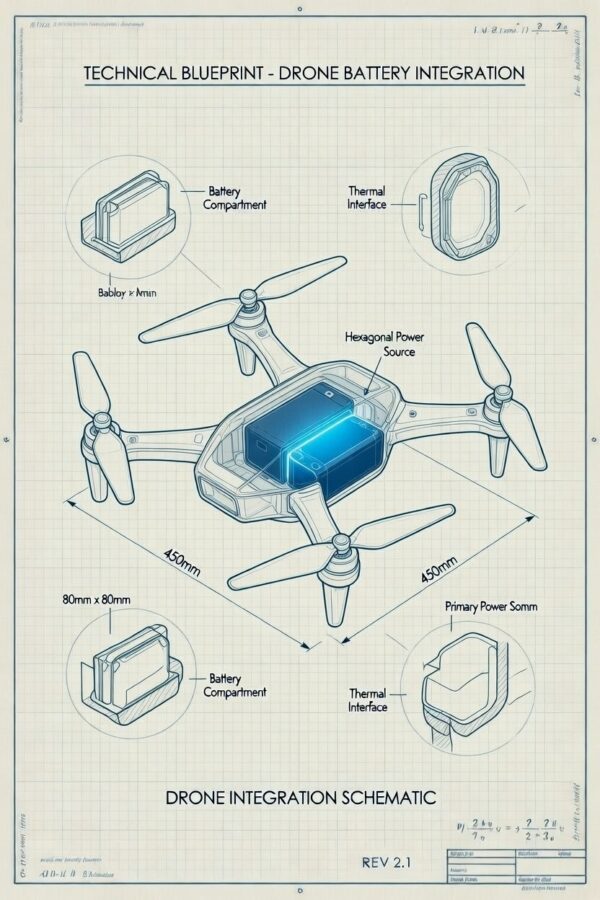
Power System Mismatches: Many operators purchase batteries without verifying voltage compatibility with their drone’s electronic speed controllers (ESC) and motors. This mismatch can cause overheating, reduced flight time, or complete system failure during operation.
Communication Protocol Conflicts: Different manufacturers use varying communication protocols between flight controllers, ground stations, and payload systems. When these protocols do not align, operators experience data transmission errors, loss of control signals, or inaccurate sensor readings.
Payload Integration Challenges: Agricultural drones often carry specialized equipment such as spray systems, multispectral cameras, or seeding mechanisms. Improper weight distribution, power draw calculations, or mounting configurations can destabilize flight performance and compromise application accuracy.
Environmental Factor Oversight: Agricultural operations occur in diverse conditions including high humidity, extreme temperatures, and dusty environments. Components not rated for these conditions fail prematurely, creating unexpected compatibility breakdowns.
List-Based Solutions for Technical Compatibility
1. Verify Voltage and Current Specifications Before Purchase
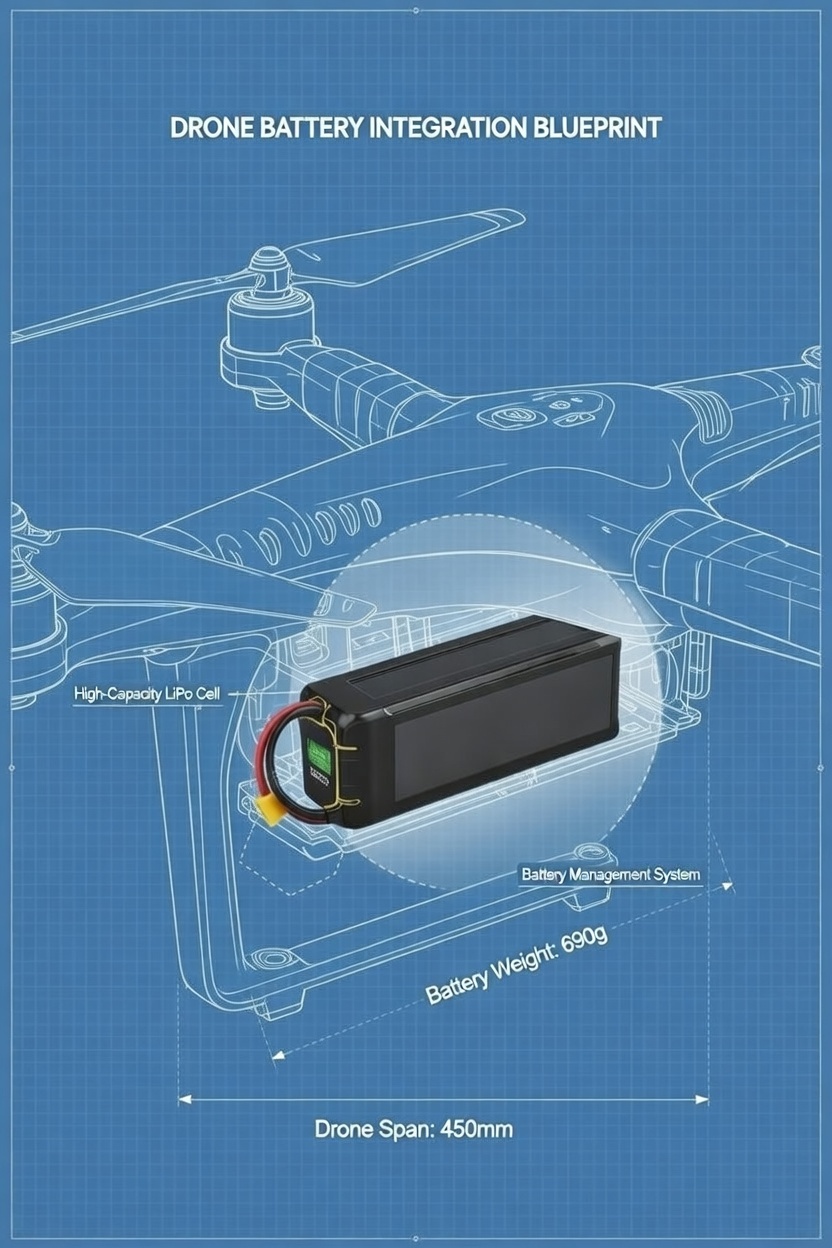
Always cross-reference battery voltage ratings with your drone’s motor and ESC specifications. A 6S lithium polymer battery delivers approximately 22.2 volts nominal, while a 4S system provides 14.8 volts. Using incorrect voltage configurations can damage electronic components irreversibly. Check manufacturer documentation for maximum current draw requirements and ensure your battery’s discharge rate (C-rating) exceeds peak demand by at least 20 percent for safety margins.
2. Standardize Communication Protocols Across Components
Select components that share compatible communication standards such as MAVLink, DJI SDK, or Pixhawk protocols. When integrating third-party payloads, verify that the flight controller supports the required data transmission rates and signal types. Consider using middleware solutions that translate between different protocol standards when complete standardization is not feasible.
3. Conduct Comprehensive Weight and Balance Calculations
Calculate total system weight including batteries, payload, and accessories before flight testing. Ensure the center of gravity remains within manufacturer specifications. Agricultural spray systems add significant weight when filled, so test configurations with both empty and full tanks. Distribute weight symmetrically to prevent unstable flight characteristics that compromise application precision.
4. Implement Environmental Protection Measures
Choose components with appropriate ingress protection (IP) ratings for agricultural environments. IP54 rating provides protection against dust and water splashes, while IP65 offers complete dust protection and low-pressure water jet resistance. Apply conformal coating to exposed circuit boards and use sealed connectors to prevent moisture intrusion during early morning operations when dew is present.
5. Establish Regular Maintenance and Testing Protocols
Create scheduled maintenance routines that include battery health checks, connector inspections, and firmware updates. Monitor battery cycle counts and replace cells showing capacity degradation beyond 20 percent of original specifications. Test communication links before each operational session to identify intermittent connection issues before they cause field failures.
6. Document All Configuration Changes
Maintain detailed records of component combinations, firmware versions, and performance metrics. This documentation helps identify patterns when problems occur and accelerates troubleshooting. Include environmental conditions, flight durations, and any anomalies observed during each operation session.
7. Invest in Compatible Battery Management Systems
Advanced battery management systems (BMS) provide real-time monitoring of cell voltage, temperature, and state of charge. These systems prevent over-discharge, balance cells during charging, and communicate critical data to the flight controller. Quality BMS integration extends battery lifespan and prevents catastrophic failures during flight operations.
8. Partner with Reputable Component Suppliers
Work with suppliers who provide technical support and compatibility guarantees. Reputable manufacturers offer detailed specification sheets, compatibility matrices, and troubleshooting assistance. This partnership reduces the risk of purchasing incompatible components and provides recourse when issues arise.
Maximizing User Benefits Through Proper Compatibility
When technical compatibility is properly addressed, agricultural drone operators experience substantial benefits. Flight time increases by 15 to 30 percent when power systems are correctly matched, allowing more acres to be covered per battery charge. Application accuracy improves significantly when payload systems integrate seamlessly with flight controllers, reducing chemical waste and environmental impact.
Operational reliability increases dramatically, minimizing costly downtime during critical planting or harvesting windows. Safety improves when all components function within designed parameters, protecting both equipment and personnel. Long-term cost savings accumulate through extended component lifespans and reduced replacement frequency.
Conclusion and Next Steps
Technical compatibility in agricultural drone operations requires careful planning, thorough verification, and ongoing maintenance. By following the diagnostic approaches and solutions outlined above, operators can avoid common pitfalls that compromise performance and safety. The investment in proper compatibility pays dividends through improved efficiency, reduced downtime, and enhanced operational reliability.
Every agricultural operation has unique requirements based on crop types, field sizes, and application methods. Generic solutions may not address specific challenges your operation faces. Professional assessment and custom configuration ensure optimal performance for your particular use case.
Ready to optimize your agricultural drone compatibility? Contact our technical team today for personalized consultation and custom battery solutions designed for your specific drone configuration. Visit our contact page to discuss your requirements with our engineering specialists.
Explore our comprehensive industrial drone battery specifications to find compatible power solutions for your agricultural fleet. For ongoing support and maintenance guidance, access our battery maintenance best practices resource center.
Start your journey toward flawless agricultural drone operations today. Proper technical compatibility is not just about avoiding problems—it is about unlocking the full potential of your investment in precision agriculture technology.