Avoid Common Mistakes in Technical Compatibility for Agriculture Drones
The agricultural drone industry has experienced unprecedented growth, with market projections indicating the global agricultural drone sector will exceed $12 billion by 2030. Yet, despite this remarkable expansion, countless farming operations continue to lose significant revenue due to preventable technical compatibility errors. According to McKinsey’s recent industry analysis, nearly 40% of agricultural drone downtime stems from component mismatch issues rather than actual equipment failure.
For farm managers and agricultural service providers, understanding technical compatibility isn’t merely about avoiding breakdowns—it’s about maximizing return on investment, ensuring operational continuity during critical planting and harvesting windows, and protecting substantial capital investments in precision agriculture technology.
The Hidden Cost of Compatibility Oversights
When voltage ratings don’t align between batteries and electronic speed controllers (ESCs), the consequences extend far beyond simple equipment malfunction. A midwestern corn farming operation recently reported losing three consecutive days of spraying operations due to ESC failures caused by improper battery voltage matching. The direct equipment repair costs totaled $8,500, but the real damage came from delayed pesticide application during a pest outbreak window, resulting in an estimated $45,000 in crop yield losses.
Dr. Sarah Mitchell, agricultural technology specialist at Purdue University’s Center for Precision Agriculture, emphasizes this point: “We’re seeing a pattern where farms invest heavily in drone hardware but neglect the ecosystem compatibility. It’s like putting premium fuel in an engine designed for regular—the damage accumulates silently until catastrophic failure occurs.”
The technical compatibility challenge becomes even more complex when considering the diverse components that must work harmoniously: battery systems, motor specifications, ESC calibration protocols, communication frequencies, and payload integration. Each element carries specific requirements that, when mismatched, create cascading failures throughout the entire system.
Critical Compatibility Areas Requiring Attention
Battery Voltage and Capacity Matching
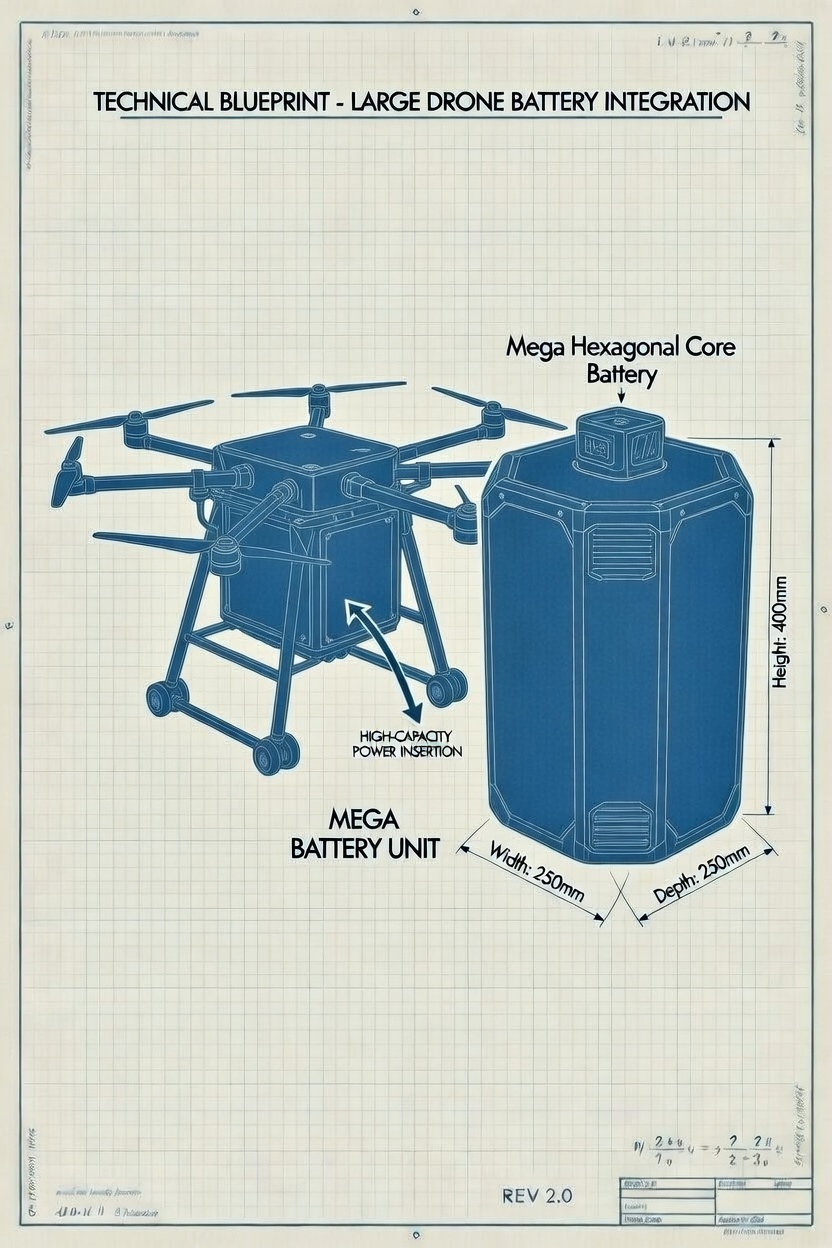
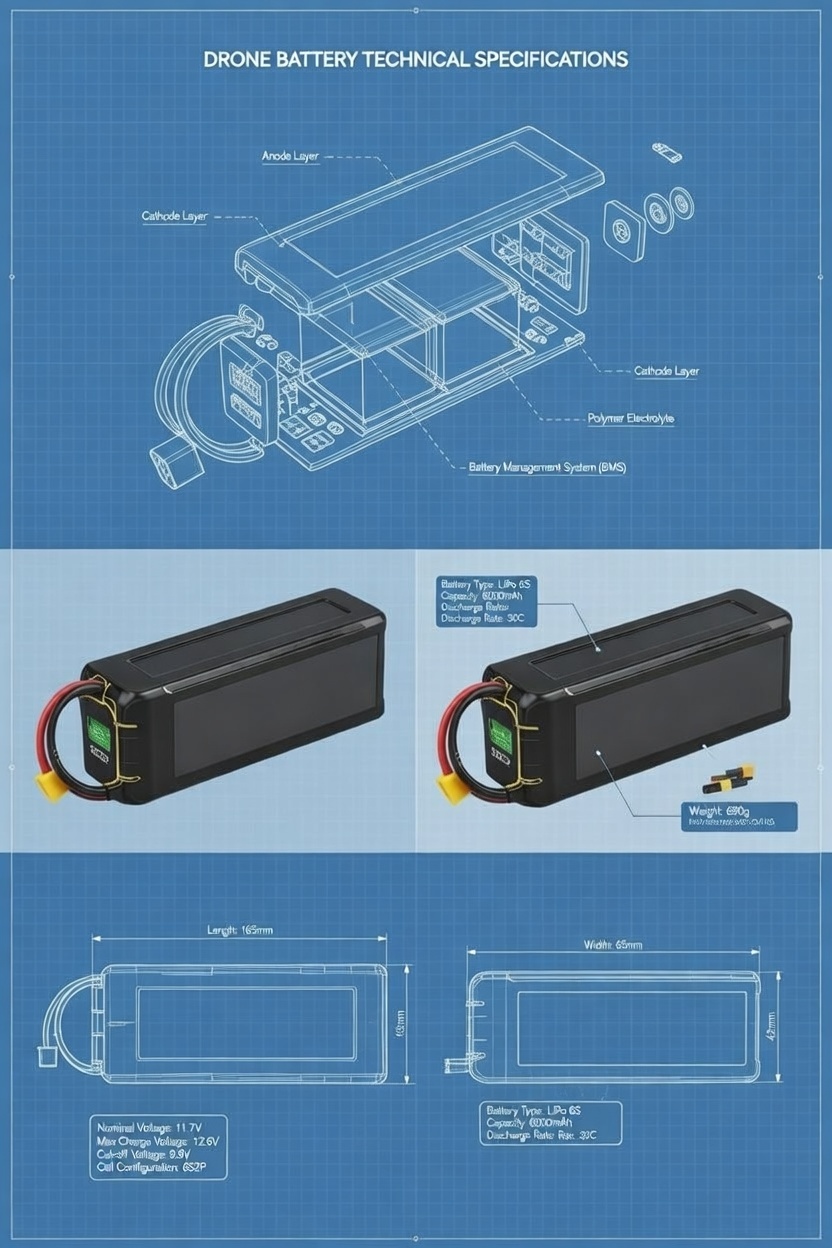
The foundation of any agricultural drone system begins with proper battery selection. Battery voltage must precisely match the motor and ESC specifications. Using a 6S battery configuration with components rated for 4S operation creates immediate overheating risks, while under-voltage situations reduce thrust efficiency by up to 35%, according to industry testing data.
Capacity considerations extend beyond simple flight time calculations. High-discharge agricultural operations require batteries with appropriate C-ratings to handle sudden power demands during spray pump activation or payload deployment. Batteries lacking sufficient discharge capacity experience voltage sag under load, triggering premature low-voltage warnings and forcing unnecessary landing cycles.
Motor and ESC Synchronization
Electronic speed controllers serve as the critical interface between flight control systems and propulsion motors. PWM ESCs require careful calibration to match the specific motor’s response characteristics, while newer DShot and CAN-based ESCs offer improved precision but demand compatible flight controller firmware.
A common mistake involves mixing ESC brands or firmware versions within a single aircraft. Even identical motor models can exhibit different response curves when paired with mismatched ESCs, creating thrust imbalances that compromise flight stability and increase power consumption by 15-20%.
Communication Protocol Compatibility
Modern agricultural drones integrate multiple communication systems: remote control links, telemetry data transmission, RTK positioning signals, and payload control interfaces. Frequency conflicts between these systems create interference patterns that degrade signal quality and operational range.
The 2.4GHz band, commonly used for remote control, often conflicts with WiFi networks and other farm equipment operating in the same spectrum. Professional operations increasingly migrate to 900MHz or specialized agricultural bands to maintain reliable communication during complex multi-drone operations.
Best Practices for Ensuring Technical Compatibility
Implementing systematic compatibility verification protocols prevents costly mistakes before they impact field operations. The following best practices have been validated across hundreds of successful agricultural drone deployments:
1. Create Component Compatibility Matrices
Document every component’s specifications in a centralized database before assembly. Include voltage ranges, current ratings, communication protocols, firmware versions, and manufacturer compatibility notes. This reference document becomes invaluable during troubleshooting and future upgrades.
2. Implement Staged Testing Protocols
Never deploy new component combinations directly into production operations. Conduct ground tests verifying motor response, ESC calibration, and battery discharge characteristics. Follow with low-altitude hover tests before progressing to full operational missions.
3. Maintain Firmware Version Control
Track firmware versions across all system components. Incompatible firmware versions between flight controllers, ESCs, and ground stations create communication failures that appear intermittent and prove difficult to diagnose. Establish update protocols that verify compatibility before deployment.
4. Monitor Thermal Performance
Install temperature monitoring systems that track motor, ESC, and battery temperatures during operation. Thermal data reveals compatibility issues before catastrophic failures occur. Components running 10-15°C above expected temperatures indicate mismatched specifications or calibration errors.
5. Document Performance Baselines
Record flight time, power consumption, and payload performance metrics for each component configuration. Deviations from baseline performance often indicate developing compatibility issues requiring attention before complete system failure.
Case Study: Large-Scale Farming Operation Transformation
Green Valley Agricultural Services operates 15,000 acres across three states, managing crop protection applications for over 200 client farms. In 2024, the company experienced recurring equipment failures that threatened contract renewals and operational profitability.
The technical audit revealed multiple compatibility issues: mixed battery brands with different discharge characteristics, ESC firmware versions spanning three generations, and motor replacements that didn’t match original thrust specifications. The cumulative effect reduced operational availability to 67%, well below the 90% threshold required for contract compliance.
Working with technical specialists, Green Valley implemented a comprehensive compatibility standardization program. All batteries were replaced with matched sets from single manufacturers, ESC firmware was unified across the fleet, and motor specifications were verified against original equipment requirements. The company also established preventive maintenance schedules based on thermal monitoring data.
Within six months, operational availability increased to 94%, equipment repair costs decreased by 58%, and battery cycle life improved by 32%. The compatibility improvements enabled Green Valley to expand their service area by 40% without additional equipment purchases, generating $280,000 in additional annual revenue.
Efficiency Optimization Through Compatibility Management
Proper technical compatibility delivers benefits beyond failure prevention. Optimized component matching improves overall system efficiency, extending flight times and reducing operational costs.
Battery efficiency improvements alone can increase daily acreage coverage by 20-25%. When batteries operate within their optimal voltage and temperature ranges, energy conversion efficiency improves, translating directly into extended flight times. For operations charging $8-12 per acre, this efficiency gain represents substantial revenue potential.
Motor and ESC matching optimization reduces power consumption during hover and transit phases. The accumulated savings across hundreds of flight hours annually reduce battery charging costs and extend component service life. Industry data suggests properly matched propulsion systems last 40-50% longer than mismatched configurations.
Building Long-Term Compatibility Strategies
Agricultural drone technology continues evolving rapidly, with new battery chemistries, motor designs, and control systems emerging annually. Establishing forward-looking compatibility strategies protects investments while enabling technology adoption.
Select components from manufacturers committed to long-term product support and compatibility documentation. Established brands typically maintain backward compatibility across product generations, enabling incremental upgrades without complete system replacement.
Develop relationships with technical support teams who understand agricultural operation requirements. Quick access to compatibility guidance during component selection prevents costly mistakes and accelerates problem resolution when issues arise.
Invest in staff training covering technical compatibility fundamentals. Operators who understand system specifications identify potential issues before they impact operations, reducing downtime and maintenance costs.
Conclusion: Compatibility as Competitive Advantage
Technical compatibility in agricultural drone operations represents more than equipment maintenance—it’s a strategic business decision affecting profitability, service reliability, and competitive positioning. Farms and service providers who master compatibility management achieve higher operational availability, lower maintenance costs, and improved client satisfaction.
The agricultural drone market’s continued growth creates opportunities for operators who differentiate through reliability and efficiency. Technical compatibility excellence provides that differentiation, transforming equipment management from a cost center into a competitive advantage.
Don’t let compatibility mistakes limit your agricultural drone operation’s potential. Our technical specialists understand the unique demands of agricultural applications and can help you build systems optimized for performance, reliability, and longevity.
Ready to optimize your agricultural drone fleet’s technical compatibility? Contact our expert team for personalized consultation on battery systems and component matching.
Explore more resources to maximize your drone operation:
- Discover our industrial drone battery specifications
- Learn battery maintenance best practices
- Return to our homepage for complete product information
Invest in compatibility today, and harvest the rewards of reliable, efficient agricultural drone operations for seasons to come.