
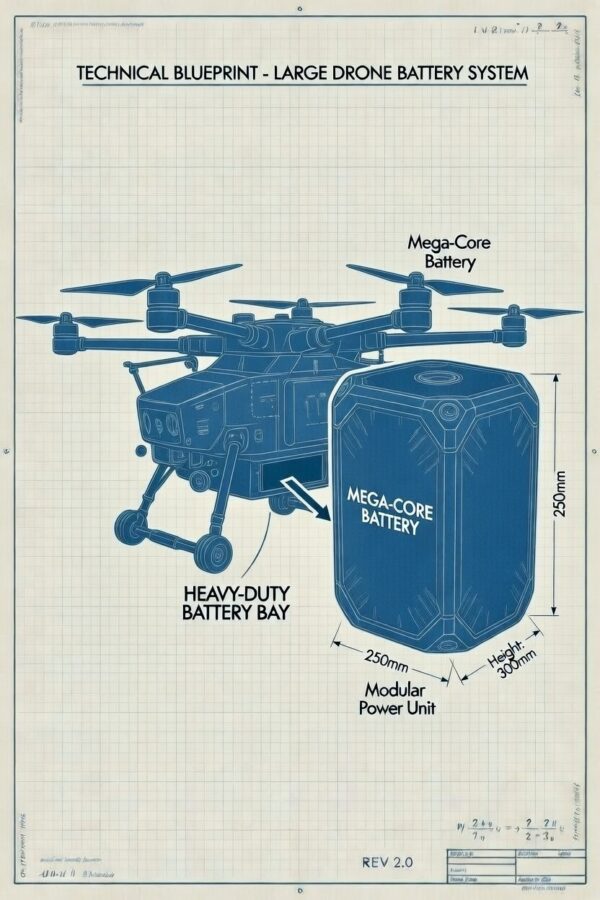
Best Drone Batteries for Heavy-Load Transport Operators: Wide Temperature Range Comparison
For heavy-load transport operators, choosing the right drone battery isn’t just about power—it’s about reliability across extreme conditions. Whether you’re delivering medical supplies to remote mountain villages or transporting industrial equipment across desert landscapes, your drone battery must perform consistently from freezing mornings to scorching afternoons. This comprehensive guide examines the top drone batteries designed for demanding payload operations with exceptional wide temperature range capabilities.
Why Temperature Range Matters for Heavy-Load Drone Operations
Heavy-payload drones place significantly more stress on battery systems than standard recreational models. When carrying loads exceeding 5 kilograms, battery discharge rates increase dramatically, generating additional heat during operation. Simultaneously, high-altitude or polar region missions expose batteries to sub-zero temperatures that can cripple standard lithium cells.
The ideal industrial drone battery maintains stable performance across a temperature spectrum from -40°C to +60°C. Below -20°C, conventional lithium-polymer batteries lose up to 50% of their capacity, while temperatures above 50°C accelerate degradation and create safety hazards. Professional transport operators cannot afford these performance fluctuations when mission success depends on predictable power delivery.
Key Advantages of Wide-Temperature Drone Batteries
Enhanced Operational Flexibility
Batteries engineered for wide temperature ranges unlock year-round operational capabilities. Transport companies no longer need to suspend services during winter months or limit flights to early morning hours in summer regions. This flexibility translates directly into increased revenue potential and customer satisfaction.
Extended Battery Lifespan
Temperature-optimized battery chemistry reduces stress during charge and discharge cycles. Cells that maintain stable internal resistance across temperature variations experience slower capacity degradation. Operators typically see 30-40% more charge cycles before replacement becomes necessary, significantly reducing long-term operational costs.
Improved Safety Margins
Advanced thermal management systems prevent dangerous conditions like thermal runaway. Built-in protection circuits monitor cell temperature in real-time, automatically adjusting power output when limits are approached. This proactive safety approach protects both expensive cargo and ground personnel.
Top Battery Technologies for Heavy-Load Applications
Lithium Polymer (LiPo) with Enhanced Electrolytes
Modern LiPo batteries utilize specialized electrolyte formulations that remain fluid at low temperatures while maintaining stability in heat. These cells deliver high discharge rates essential for heavy-lift operations, often supporting 15C to 25C continuous discharge. Energy density typically ranges from 200-250 Wh/kg, providing excellent power-to-weight ratios.
Lithium Iron Phosphate (LiFePO4) for Maximum Safety
While slightly heavier than LiPo alternatives, LiFePO4 batteries offer superior thermal stability and cycle life. Operating ranges commonly span -20°C to +60°C, with some industrial variants reaching -40°C. The trade-off in weight is often justified by dramatically reduced fire risk and 2000+ charge cycle lifespans.
Hybrid Battery Systems
Emerging hybrid configurations combine multiple chemistries to optimize performance across temperature extremes. These systems automatically switch between cell types based on ambient conditions, ensuring consistent power delivery regardless of environment. While currently premium-priced, hybrid technology represents the future of heavy-load drone power systems.
Step-by-Step Guide: Selecting the Right Battery for Your Fleet
Step 1: Assess Your Operational Temperature Range
Document the minimum and maximum temperatures your drones will encounter. Consider seasonal variations, altitude effects, and microclimate conditions at specific delivery locations. Add a 10-degree safety margin to your recorded extremes when evaluating battery specifications.
Step 2: Calculate Power Requirements
Determine your average and peak payload weights. Multiply by required flight duration and add 25% reserve capacity for unexpected conditions. Remember that cold temperatures increase power consumption—batteries may drain 20-30% faster in sub-zero conditions even with temperature-optimized cells.
Step 3: Evaluate Discharge Rate Compatibility
Heavy-load drones require batteries supporting high C-ratings. Verify that continuous discharge capability exceeds your motor system’s maximum draw by at least 20%. Peak discharge ratings should accommodate sudden power demands during takeoff or emergency maneuvers.
Step 4: Review Thermal Management Features
Examine built-in heating elements, cooling systems, and insulation quality. Premium batteries include self-heating capabilities that warm cells before discharge in cold conditions. Active cooling systems prevent overheating during sustained high-load operations in hot climates.
Step 5: Verify Certification and Compliance
Ensure batteries meet relevant aviation and transportation regulations. UN 38.3 certification is mandatory for air shipping, while regional aviation authorities may have additional requirements. Documentation should include detailed temperature testing results from accredited laboratories.
Real-World Performance Comparison
Consider two transport operators facing similar challenges. Company A operates in Scandinavian regions where winter temperatures regularly drop to -30°C. Company B serves Middle Eastern oil fields where summer heat exceeds 55°C. Both selected batteries rated for -40°C to +60°C operation.
Company A reported 92% mission completion rates during winter months, compared to 67% with previous standard batteries. Flight times remained within 15% of summer performance, eliminating the need for excessive battery reserves. Company B experienced zero thermal shutdown incidents during peak summer, whereas competitors using conventional batteries faced 23% flight cancellations due to overheating.
Maintenance Best Practices for Extreme Conditions
Proper maintenance extends battery life and ensures consistent performance. Store batteries at 50-60% charge when not in use, ideally in temperature-controlled environments between 15°C and 25°C. Before cold-weather operations, allow batteries to acclimate gradually rather than exposing them to sudden temperature changes.
Inspect cells regularly for swelling, leakage, or connection corrosion. Temperature cycling accelerates wear on physical components, making visual inspections critical. Use manufacturer-recommended charging equipment that includes temperature monitoring and automatic adjustment capabilities.
For detailed maintenance protocols, operators should 了解电池维护最佳实践 https://cnsbattery.com/drone-battery-home/drone-battery-help-center/ which provides comprehensive guidance on extending battery lifespan in challenging conditions.
Cost-Benefit Analysis: Premium vs. Standard Batteries
Initial investment in wide-temperature batteries typically exceeds standard options by 40-60%. However, total cost of ownership often favors premium solutions. Reduced replacement frequency, fewer mission failures, and eliminated weather-related downtime create positive ROI within 12-18 months for most commercial operators.
Calculate your specific break-even point by factoring in average mission revenue, cancellation costs, and battery replacement schedules. Operators conducting 20+ flights weekly typically see faster returns than those with sporadic operations.
Future Trends in Heavy-Load Drone Battery Technology
Solid-state batteries promise even wider operating ranges and improved safety profiles. Expected commercial availability by 2027 could revolutionize heavy-transport drone capabilities. Meanwhile, advances in battery management systems enable more precise temperature control and predictive maintenance alerts.
Smart batteries with integrated sensors now transmit real-time performance data to ground stations. This connectivity allows operators to monitor cell health, predict failures, and optimize charging schedules across entire fleets. Data-driven maintenance reduces unexpected downtime and extends overall battery life.
Making Your Final Decision
Selecting the optimal battery requires balancing performance requirements, budget constraints, and operational realities. Prioritize manufacturers offering comprehensive warranties and technical support. Request sample units for field testing before committing to fleet-wide purchases.
For detailed specifications on industrial-grade drone batteries designed for heavy-load transport, 了解我们的工业无人机电池规格 https://cnsbattery.com/drone-battery-home/drone-battery/ provides comprehensive technical documentation and performance data.
Conclusion
Heavy-load drone transport operators cannot compromise on battery quality. Wide temperature range capabilities separate successful commercial operations from those struggling with weather-related limitations. By investing in properly engineered batteries and following established maintenance protocols, operators unlock reliable year-round service capabilities.
The drone delivery industry continues expanding into increasingly challenging environments. Battery technology keeps pace, enabling missions once considered impossible. Your choice today determines operational success tomorrow—select wisely based on verified performance data rather than marketing claims.
Ready to upgrade your fleet’s power systems? 联系我们 https://cnsbattery.com/drone-battery-home/drone-battery-contact for personalized consultation on battery solutions matching your specific operational requirements. Our technical team stands ready to help optimize your heavy-load drone operations with proven temperature-resistant battery technology.
Visit 首页 https://cnsbattery.com/drone-battery-home to explore our complete range of industrial drone battery solutions and discover how proper power systems transform operational capabilities across extreme environmental conditions.


