Step-by-Step: Customization Options Checklist for Public Safety Departments Drone Battery Buyers
Introduction
Public safety departments increasingly rely on drone technology for critical operations ranging from search and rescue missions to disaster response and surveillance. However, the effectiveness of these aerial systems hinges on one crucial component: the battery. For procurement officers and department heads tasked with acquiring drone batteries, understanding customization options is essential to ensure operational readiness, safety compliance, and cost efficiency. This comprehensive checklist guides public safety buyers through the key considerations when selecting and customizing drone batteries for their specific operational needs.
Step 1: Assess Your Operational Requirements
Before diving into customization options, departments must clearly define their operational parameters:
- Mission Duration: Determine average flight time requirements per mission. Most public safety operations require 30-45 minutes of continuous flight time, with some specialized missions needing extended capacity.
- Environmental Conditions: Consider temperature extremes, humidity levels, and altitude variations your drones will encounter. Cold weather operations may require batteries with enhanced low-temperature performance.
- Payload Requirements: Account for additional equipment such as thermal cameras, spotlights, or communication relays that increase power consumption.
- Deployment Frequency: High-frequency operations demand batteries with superior cycle life and faster charging capabilities.
Step 2: Evaluate Battery Chemistry Options
Different battery chemistries offer distinct advantages for public safety applications:
| Battery Type | Energy Density | Cycle Life | Temperature Range | Cost |
|---|---|---|---|---|
| LiPo (Lithium Polymer) | High | 300-500 cycles | -10°C to 60°C | Moderate |
| Li-ion (Lithium Ion) | Very High | 500-1000 cycles | -20°C to 60°C | Higher |
| LiFePO4 | Moderate | 2000+ cycles | -20°C to 65°C | Premium |
Key Insight: For most public safety departments, high-quality Li-ion batteries offer the best balance between performance, longevity, and cost-effectiveness.
Step 3: Customization Options to Consider
Capacity Customization
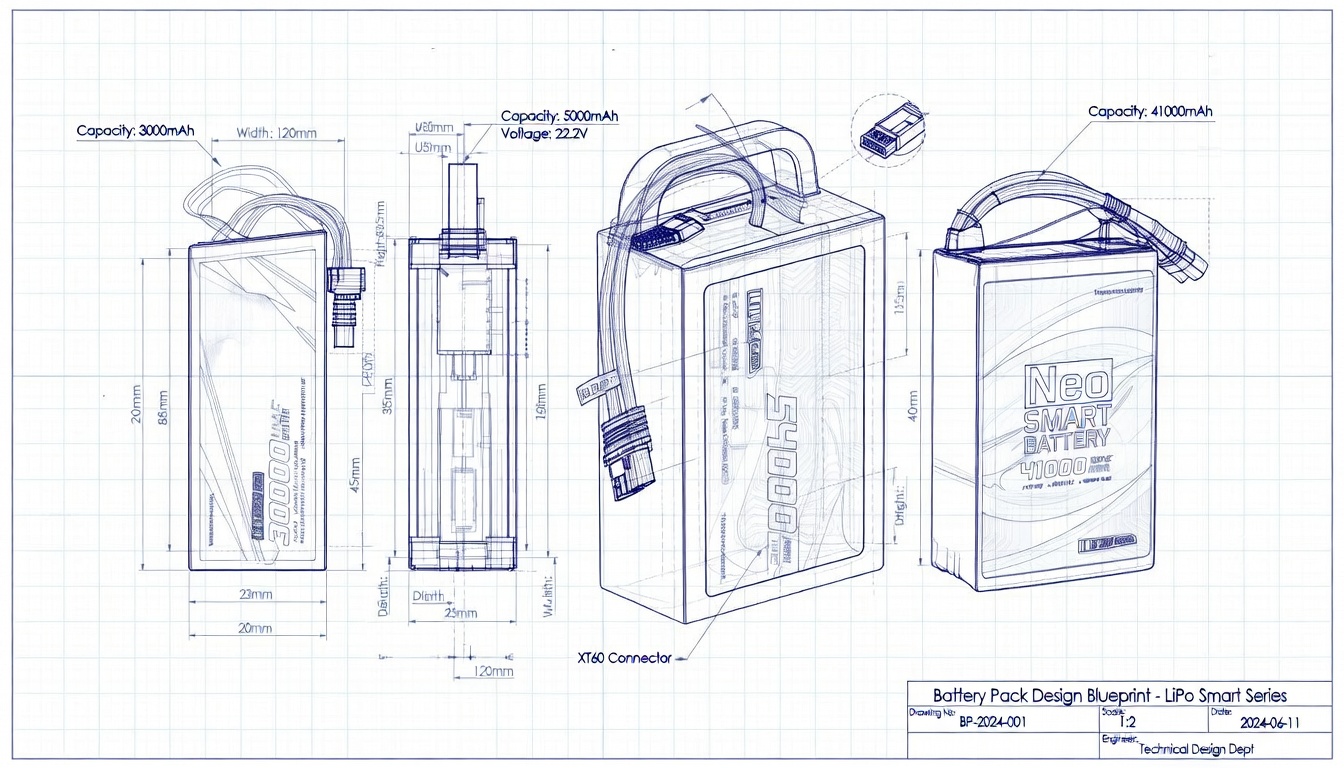
- Standard Options: 4000mAh to 12000mAh configurations
- High-Capacity Solutions: Custom builds available for extended mission requirements
- Modular Designs: Allow swapping between different capacity packs based on mission needs
Voltage Configuration
- Match battery voltage to your drone’s power system requirements
- Common configurations include 3S (11.1V), 4S (14.8V), and 6S (22.2V)
- Higher voltage systems offer improved efficiency for larger drones
Connector Types
- Ensure compatibility with existing drone fleets
- Options include XT60, XT90, AS150, and custom connector solutions
- Standardize connectors across your fleet for operational flexibility
Physical Dimensions
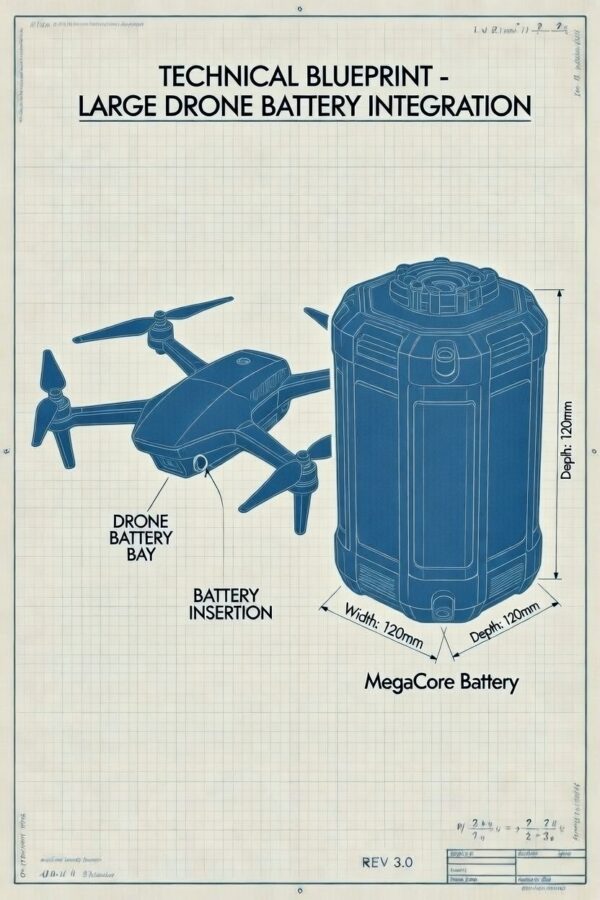
- Custom form factors to fit specific drone models
- Weight distribution considerations for flight stability
- Protection housing for harsh environment operations
Step 4: Safety and Compliance Features
Public safety departments must prioritize batteries with robust safety features:
- Built-in BMS (Battery Management System): Monitors cell balance, temperature, and prevents overcharging
- Smart Communication: Real-time battery health data transmission to ground control
- Certification Standards: Look for UN38.3, CE, FCC, and RoHS compliance
- Fire Resistance: Enhanced casing materials for reduced thermal runaway risk
Pro Tip: Request third-party testing documentation from manufacturers to verify safety claims.
Step 5: Charging Infrastructure Compatibility
Consider how customized batteries integrate with your charging systems:
- Charging Speed: Fast-charge capabilities reduce downtime between missions
- Multi-Bay Chargers: Enable simultaneous charging of multiple battery packs
- Smart Charging: Automated charging cycles that optimize battery longevity
- Portable Solutions: Field charging options for extended operations away from base
Step 6: Lifecycle Management and Warranty
Long-term value extends beyond initial purchase price:
- Warranty Coverage: Standard warranties range from 12-24 months; premium options available
- Replacement Programs: Some manufacturers offer battery replacement programs for degraded units
- Recycling Options: Environmentally responsible disposal and recycling programs
- Technical Support: Access to manufacturer support for troubleshooting and optimization
Step 7: Budget Considerations and ROI Analysis
Develop a comprehensive cost analysis:
- Initial Investment: Compare per-unit costs across customization levels
- Operational Costs: Factor in charging infrastructure and maintenance
- Replacement Frequency: Higher quality batteries may cost more upfront but last significantly longer
- Mission Success Rate: Reliable batteries reduce mission failures and associated costs
Budget Planning Tip: Allocate 15-20% of your drone budget specifically for battery inventory and replacement reserves.
Step 8: Vendor Selection Criteria
Choose manufacturers who understand public safety requirements:
- Industry Experience: Prioritize vendors with proven public safety sector track records
- Customization Flexibility: Ability to tailor solutions to specific department needs
- Lead Times: Understand production and delivery timelines for custom orders
- After-Sales Support: Comprehensive support including training and technical assistance
Key Performance Indicators to Track
Monitor these metrics to evaluate battery performance over time:
- Cycle count and capacity retention
- Charge/discharge efficiency rates
- Temperature performance during operations
- Failure rates and incident reports
- Cost per flight hour
Common Mistakes to Avoid
- Underestimating Battery Needs: Purchase 30-50% more batteries than minimum requirements
- Ignoring Storage Conditions: Improper storage significantly reduces battery lifespan
- Mixing Battery Ages: Avoid using old and new batteries interchangeably in critical operations
- Skipping Training: Ensure all operators understand battery safety and maintenance protocols
Conclusion and Action Steps
Selecting the right customized drone batteries for public safety operations requires careful consideration of operational needs, safety requirements, and long-term value. By following this comprehensive checklist, departments can make informed decisions that enhance mission effectiveness while optimizing budget allocation.
Ready to explore customized drone battery solutions for your public safety department? Our team specializes in working with emergency services to develop tailored battery systems that meet rigorous operational demands.
Contact Us today to discuss your specific requirements and receive a customized quote.
Explore More Resources:
- Learn about our industrial drone battery specifications
- Discover battery maintenance best practices
- Visit our homepage for additional solutions and information
Investing in the right drone battery customization today ensures your public safety team operates at peak performance when it matters most. Don’t compromise on power reliability—your community depends on it.