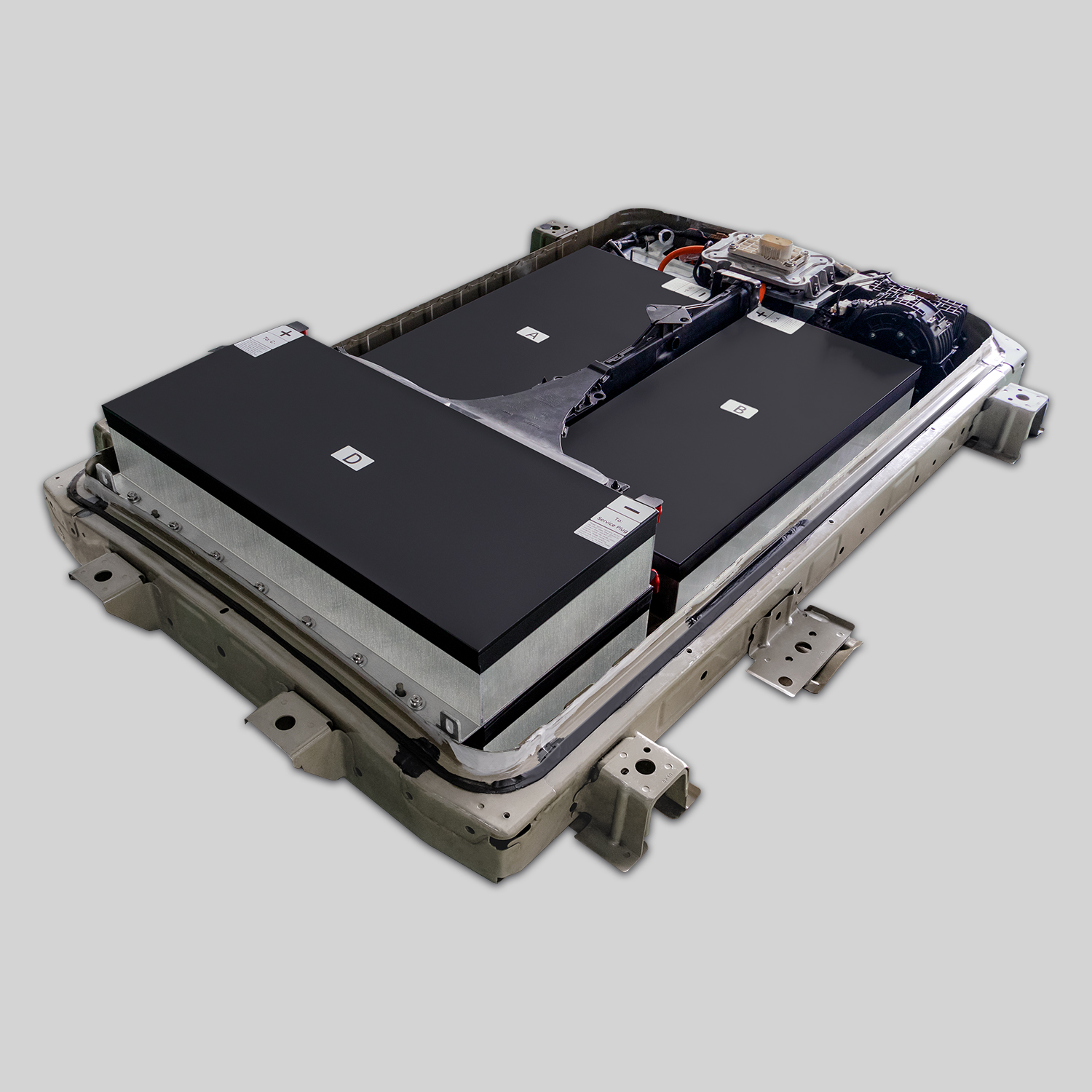
Best Practices for BMW i3 Battery Replacement Costs: Save 50% Without Sacrificing Quality
Is Your BMW i3 Losing Its Electric Spark?
Picture this: You’re driving your trusted BMW i3, the electric city car that once gave you freedom from gas stations. But lately, something feels off. That 180km range you relied on has shrunk to barely 100km. The dealership quotes you $16,000 for a replacement battery. Your heart sinks. Is it time to say goodbye to your i3?
You’re not alone. Thousands of BMW i3 owners face this exact dilemma every year. The good news? There’s a smarter path forward that doesn’t require emptying your savings account.
Understanding BMW i3 Battery Replacement Reality
Why Do BMW i3 Batteries Degrade?
The BMW i3, launched in 2013, was groundbreaking. But like all lithium-ion batteries, its energy storage capacity diminishes over time. Several factors accelerate this process:
- Frequent fast charging generates heat that stresses battery cells
- Extreme temperatures, both hot and cold, impact chemical reactions
- Age and cycle count naturally reduce capacity after 8-10 years
- Deep discharge habits can permanently damage cell structure
Most i3 owners notice significant degradation between 60,000 to 100,000 kilometers. When capacity drops below 70%, daily usability becomes challenging.
The Hidden Costs of OEM Battery Replacement
Walking into a BMW dealership for a battery replacement feels like buying a new car. Here’s the breakdown:
| Cost Component | OEM Price | Aftermarket Alternative |
|---|---|---|
| Battery Pack | $14,000-$16,000 | $7,000-$8,500 |
| Labor | $1,500-$2,500 | $500-$1,000 |
| Programming | $800-$1,200 | Included |
| Total | $16,300-$19,700 | $7,500-$9,500 |
The math is clear. OEM replacements cost 2-3 times more than quality aftermarket solutions.
Smart Cost-Saving Strategies for i3 Battery Replacement
Option 1: Complete Battery Pack Replacement
For owners who want plug-and-play simplicity, a complete battery pack is the way to go. This approach offers:
- Minimal installation time (2-3 hours vs. 6-8 hours for modules)
- No technical expertise required beyond basic automotive knowledge
- Factory-compatible connectors that match original specifications
- Reduced risk of installation errors
CNS BATTERY offers complete 45kWh packs that restore your i3 to approximately 300km of range. The installation process involves disconnecting the old pack, sliding in the new one, and connecting the main harness. No module balancing, no complex wiring.
Option 2: Battery Module Upgrade
Technically inclined owners or professional shops might prefer individual module replacement. This method provides:
- Lower upfront cost if only specific modules are degraded
- Flexibility to upgrade capacity incrementally
- Learning opportunity for EV maintenance skills
However, module installation requires connecting 6 power lines and 1 signal line per module. You’ll need proper tools, safety equipment, and technical confidence.
Option 3: Capacity Upgrade Beyond Original Specs
Why stop at original capacity? Many i3 owners choose to upgrade from 33kWh to 45kWh or even 62kWh. This strategic move delivers:
- Extended range without vehicle modifications
- Better resale value with documented upgrade
- Future-proofing against further degradation
Real-world results show owners achieving 290-430km range after upgrades, compared to the original 150-180km.
Why Choosing the Right Battery Supplier Matters
Battery Cell Quality: The Foundation of Performance
Not all replacement batteries are created equal. The critical difference lies in the battery cells themselves.
Premium suppliers like CNS BATTERY use brand-new CATL ternary lithium cells. CATL ranks as the world’s largest battery manufacturer, supplying Tesla, BMW, and Mercedes-Benz. These cells offer:
- Consistent performance across all modules
- Superior safety with built-in thermal management
- Longer cycle life exceeding 3,000 charge cycles
- Stable capacity retention over years of use
Avoid refurbished batteries built from discarded cells. These may seem cheaper initially but often fail within 12-18 months, costing you more in the long run.
Warranty Coverage: Your Protection Against Risk
A robust warranty signals supplier confidence. Look for:
- Minimum 2-year coverage on all components
- Kilometer-based protection (80,000km recommended)
- Capacity retention guarantees (12 bars should not drop below 9 bars)
- Clear terms without hidden exclusions
CNS BATTERY provides 2 years or 80,000 kilometers warranty, whichever comes first. This exceeds many OEM warranties and protects your investment comprehensively.
Technical Support: Beyond the Sale
Battery replacement doesn’t end at installation. Quality suppliers offer:
- Installation videos with step-by-step guidance
- Remote technical assistance via video call
- Lifetime support for maintenance questions
- BMS programming help when needed
This ongoing support proves invaluable, especially for first-time EV battery installers.
Real Owner Experiences: Proof That Smart Choices Pay Off
Lisa’s Story: From Skeptic to Advocate
Lisa K. from Berlin faced the classic i3 dilemma. Her 2017 model’s range had dropped to 180km, and the dealership quoted €12,000 for replacement.
“My friend recommended CNS, so I decided to give them a try. Unexpectedly, the brand-new CATL battery cells were of the same quality as the original. When I encountered wiring connection problems during installation, I contacted customer service, and they arranged remote video guidance within an hour.”
The result? Her range jumped to 290km, and she charges only once weekly for daily commuting. Total cost: less than half the OEM quote.
Professional Shop Perspective
Mike’s Auto Service in Vancouver replaces EV batteries monthly. They switched to CNS BATTERY after testing multiple suppliers.
“Their batteries have excellent compatibility, covering all BMW i3 models. The batteries use brand-new CATL cells, resulting in an almost zero failure rate. Customer feedback indicates that the range meets the stated specifications.”
For professional installers, reliability and compatibility matter more than rock-bottom pricing.
Maximizing Your Battery Investment: Best Practices
Pre-Purchase Checklist
Before ordering your replacement battery:
- Verify compatibility using your VIN number
- Request detailed specifications matching your model year
- Confirm warranty terms in writing
- Review installation requirements (tools, time, expertise)
- Calculate total cost including shipping and potential labor
Installation Best Practices
Whether DIY or professional installation:
- Disconnect 12V battery first for safety
- Use insulated tools and protective equipment
- Follow torque specifications precisely
- Test all connections before final assembly
- Complete BMS programming as instructed
Post-Installation Care
Extend your new battery’s lifespan with these habits:
- Avoid frequent 100% charging (80-90% is optimal for daily use)
- Minimize fast charging when possible
- Store at moderate temperatures (15-25°C ideal)
- Monitor battery health regularly through vehicle diagnostics
- Keep software updated for optimal BMS performance
Frequently Asked Questions
How much does a BMW i3 battery replacement cost?
Complete battery pack replacement ranges from $7,000 to $9,500 for quality aftermarket options. OEM replacements cost $16,000 to $20,000. Module-only replacements start around $5,000 but require more technical skill.
How long does battery replacement take?
Complete pack installation takes 2-4 hours for experienced technicians. Module replacement requires 6-8 hours due to additional wiring and balancing. DIY owners should budget a full day for safety.
Will aftermarket batteries void my vehicle warranty?
If your BMW i3 is out of original warranty (typically 8 years/100,000 miles for battery), aftermarket replacement won’t affect coverage. For vehicles under warranty, consult your dealer first. Quality aftermarket batteries like CNS use OEM-compatible components that don’t trigger warranty issues.
Can I upgrade to higher capacity than original?
Yes! Many owners upgrade from 33kWh to 45kWh or 62kWh. This requires compatible BMS programming but provides significantly extended range. Verify compatibility with your specific model year before purchasing.
What’s the expected lifespan of a replacement battery?
Quality aftermarket batteries with new CATL cells should last 8-10 years or 150,000+ kilometers with proper care. The 2-year/80,000km warranty covers early failures, but most batteries exceed this significantly.
Is DIY installation recommended?
DIY installation works for owners with automotive experience and proper tools. Complete pack replacement is simpler than module installation. If uncertain, professional installation costs $500-$1,000 but reduces risk substantially.
How do I know if my battery needs replacement?
Common signs include:
- Range dropping below 70% of original specification
- Frequent charging needed for normal daily use
- Battery warning lights on dashboard
- Reduced acceleration or power delivery
- Capacity bars showing 8 or below on full charge
Ready to Restore Your BMW i3’s Electric Potential?
Your BMW i3 doesn’t deserve the scrap heap because of a degraded battery. With smart replacement choices, you can restore 300km+ range for less than half the OEM cost.
The key is choosing a supplier that combines quality cells, comprehensive warranty, and ongoing support. Don’t let inflated dealership quotes convince you that battery replacement is prohibitively expensive.
Take action today:
Submit your vehicle information and receive personalized recommendations within 24 hours. Our technical experts will verify compatibility, explain your options, and provide transparent pricing—no obligation, no pressure.
Your i3’s second life starts with one conversation. Join thousands of satisfied owners who chose smart savings without sacrificing quality. The road ahead is electric—make sure your battery keeps you there.
Article compiled by CNS BATTERY EV specialists. All pricing in USD. Specifications subject to model year verification. Warranty terms apply as per purchase agreement.