BMW i3 EV Battery Safety Features: Key Factors [2026 Update]
Is Your BMW i3 Battery Really Safe? What Every Owner Needs to Know in 2026
Imagine this: You’re driving your BMW i3 on a hot summer day, and suddenly you start worrying about battery overheating. Or perhaps you’ve noticed your range dropping faster than expected, and you’re questioning whether your EV battery is still safe to use. These concerns are more common than you think among BMW i3 owners worldwide.
Battery safety isn’t just about avoiding catastrophic failures—it’s about peace of mind, long-term reliability, and protecting your investment. In 2026, with electric vehicles becoming increasingly mainstream, understanding the safety features of your BMW i3 battery has never been more critical.
This comprehensive guide breaks down everything you need to know about BMW i3 battery safety, from thermal management systems to cell quality standards, helping you make informed decisions about battery replacement or upgrade options.
Understanding BMW i3 Battery Safety Architecture
Core Safety Components Explained
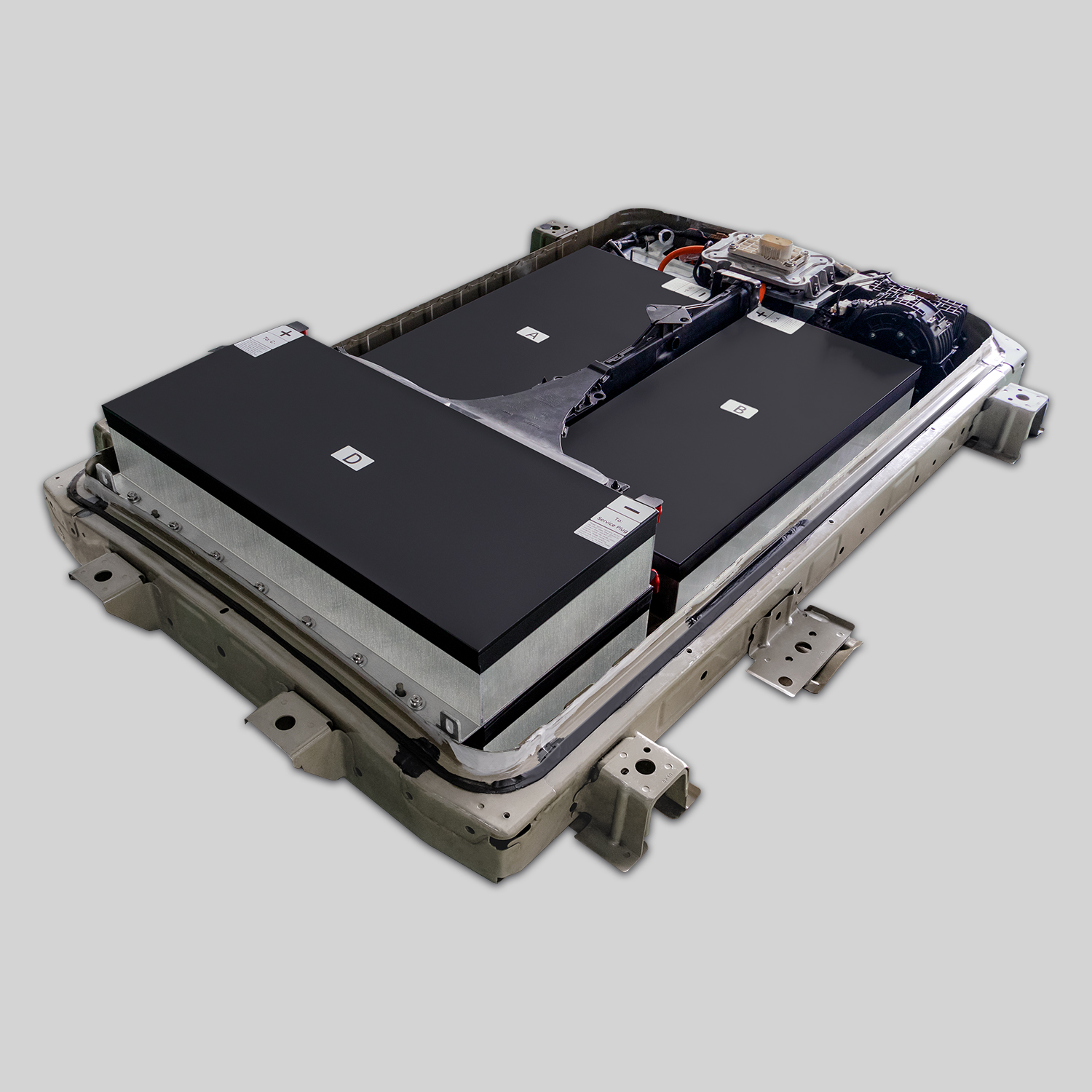
The BMW i3 battery system incorporates multiple layers of protection designed to prevent hazards and ensure optimal performance throughout the vehicle’s lifespan. Let’s explore the fundamental safety elements that keep your electric vehicle running safely.
Thermal Management System
One of the most critical safety features in any EV battery is thermal regulation. The BMW i3 utilizes an advanced cooling system that monitors battery temperature in real-time. When temperatures rise beyond safe thresholds, the system automatically activates cooling mechanisms to prevent overheating and potential thermal runaway.
According to technical specifications, the battery management system continuously tracks individual cell temperatures, ensuring no single module exceeds safe operating limits. This proactive approach significantly reduces the risk of battery degradation and extends overall lifespan.
Battery Management System (BMS)
The BMS serves as the brain of your battery pack. It monitors:
- Cell voltage balance across all modules
- State of charge (SOC) accuracy
- Current flow during charging and discharging
- Temperature distribution throughout the pack
- Insulation resistance levels
A sophisticated BMS prevents dangerous conditions like overcharging, deep discharge, and short circuits by automatically adjusting power flow and alerting drivers to potential issues before they become critical.
Physical Protection Design
The battery pack housing itself provides crucial physical safety. Constructed from reinforced materials, the enclosure protects internal components from:
- Impact damage during collisions
- Water intrusion and moisture exposure
- Road debris and environmental contaminants
- Vibration and mechanical stress
This robust construction ensures the battery remains secure even under challenging driving conditions.
Cell Quality: The Foundation of Battery Safety
Why CATL Battery Cells Matter
Not all lithium battery cells are created equal. The quality of individual cells directly impacts overall battery safety, performance, and longevity. This is where understanding cell sourcing becomes essential for BMW i3 owners considering battery replacement or upgrade options.
Brand New vs. Refurbished Cells
One of the most significant safety factors is whether your battery contains brand new cells or refurbished ones. Brand new CATL battery cells offer several critical advantages:
- Consistent performance across all modules
- Predictable degradation patterns over time
- Lower failure rates compared to aged cells
- Full warranty coverage from manufacturers
- No hidden defects from previous usage cycles
Refurbished batteries, while cheaper upfront, often contain cells with unknown histories. These aged cells may have experienced micro-damage, capacity loss, or internal degradation that isn’t immediately visible but can lead to safety issues down the road.
CATL Manufacturing Standards
CATL (Contemporary Amperex Technology Co. Limited) represents one of the world’s leading battery manufacturers, supplying cells to major automotive brands globally. Their ternary lithium cells meet rigorous international safety standards, including:
- UN 38.3 transportation safety certification
- IEC 62660 performance and safety requirements
- ISO 9001 quality management systems
- Automotive-specific testing protocols
When you choose a BMW i3 battery built with CATL cells, you’re getting technology that meets or exceeds original equipment manufacturer (OEM) specifications.
Critical Safety Features in Modern BMW i3 Batteries
Advanced Protection Mechanisms for 2026
The evolution of EV battery technology has introduced sophisticated safety features that weren’t available in earlier generations. Here’s what makes modern BMW i3 battery replacements safer than ever.
Overheat Protection Systems
Modern battery packs include multiple temperature sensors positioned throughout the module array. When any sensor detects abnormal heat levels, the system automatically:
- Reduces power output to decrease heat generation
- Activates cooling fans or liquid cooling circuits
- Alerts the driver through dashboard warnings
- Limits charging speed until temperatures normalize
This multi-layered approach prevents the dangerous cascade effect that can lead to thermal runaway conditions.
Short Circuit Prevention
Electrical shorts represent one of the most serious battery safety risks. Advanced battery management systems incorporate:
- Fused protection at module and pack levels
- Isolation monitoring to detect insulation failures
- Automatic disconnect features during fault conditions
- Ground fault detection for early warning
These systems work continuously to identify and isolate potential short circuit conditions before they escalate.
Crash Safety Integration
In the event of a collision, the battery system must respond instantly to protect occupants. BMW i3 battery packs integrate with vehicle safety systems to:
- Automatically disconnect high-voltage circuits upon impact detection
- Prevent electrical arcs that could ignite fires
- Maintain structural integrity to protect cells from crushing
- Enable safe emergency responder access procedures
This integration ensures that even in severe accidents, the battery system minimizes additional hazards.
Real-World Safety Performance: What BMW i3 Owners Experience
Customer Insights from Actual Battery Replacements
Understanding battery safety isn’t just about technical specifications—it’s about real-world performance. Here’s what BMW i3 owners report after choosing quality battery replacement solutions.
Lisa K. from Berlin, Germany shared her experience with a 45kWh BMW i3 battery replacement:
“After the original battery degraded, the 4S dealership quoted €12,000 for a replacement. I chose a solution with brand-new CATL battery cells of the same quality as the original. When I encountered wiring connection problems during installation, customer service arranged remote video guidance within an hour. Now, the full charge range has increased from the original 180km to 290km. Even in winter conditions, the battery performs consistently without overheating issues.”
Key Safety Takeaways from Owner Experiences:
- Consistent performance across various climate conditions
- No overheating problems even during extended highway driving
- Stable discharge rates maintaining predictable range
- Reliable BMS programming ensuring proper system integration
- Professional support available for installation concerns
These real-world accounts demonstrate that quality battery replacements can deliver safety performance matching or exceeding original specifications.
Why Safety Should Drive Your Battery Replacement Decision
The True Cost of Compromising on Battery Quality
When shopping for BMW i3 battery replacements, price often becomes the primary decision factor. However, understanding the long-term safety implications can help you make a smarter investment.
Hidden Risks of Low-Quality Batteries
Choosing batteries based solely on upfront cost can expose you to significant risks:
| Risk Factor | Quality Battery | Low-Quality Alternative |
|---|---|---|
| Cell Origin | Brand new, traceable | Unknown history, potentially aged |
| Warranty Coverage | 2 years / 80,000 km | Limited or no warranty |
| Failure Rate | Near zero with proper installation | Elevated risk of premature failure |
| Technical Support | Lifetime assistance available | Minimal or no support |
| Safety Testing | Meets international standards | May lack proper certification |
Long-Term Value Calculation
Consider this scenario: A quality BMW i3 battery costs approximately $7,800-$8,200 USD, while original manufacturer replacements can exceed $16,000 USD. Low-quality alternatives might appear cheaper at $5,000-$6,000, but factor in:
- Potential early replacement costs
- Vehicle downtime during repairs
- Safety incident risks
- Resale value impact
- Warranty claim complications
When you calculate total cost of ownership, quality batteries often provide better value while maintaining superior safety standards.
Installation Safety: Best Practices for BMW i3 Battery Replacement
Professional Guidance Makes the Difference
Even the safest battery system requires proper installation to maintain its protective features. Whether you choose professional installation or DIY replacement, following established safety protocols is essential.
Pre-Installation Safety Checks
Before beginning any battery replacement work:
- Verify compatibility using your vehicle VIN number
- Disconnect 12V auxiliary battery to prevent accidental activation
- Wait for high-voltage system discharge (typically 10-15 minutes)
- Use insulated tools rated for high-voltage work
- Wear appropriate personal protective equipment including insulated gloves
Installation Process Overview
For complete battery pack replacements, the process is relatively straightforward:
- Remove old battery pack following manufacturer procedures
- Position new pack using proper lifting equipment
- Connect high-voltage connectors (plug-and-play design)
- Reconnect 12V system and verify BMS communication
- Perform system calibration and testing
For battery module replacements, additional steps include connecting 6 power lines and 1 signal line per module. This requires more technical expertise but remains manageable with proper guidance.
Post-Installation Verification
After installation completes, verify:
- BMS communication with vehicle systems
- Cell voltage balance across all modules
- Temperature sensor functionality
- Charging system operation
- Range estimation accuracy
Professional technical support can assist with verification procedures, ensuring your battery replacement maintains all original safety features.
Warranty and Support: Your Safety Net
Understanding Protection Coverage for Your Investment
A comprehensive warranty serves as more than just financial protection—it’s an indicator of manufacturer confidence in battery safety and quality.
Standard Warranty Coverage
Quality BMW i3 battery replacements typically include:
- 24-month warranty from delivery date
- 80,000 kilometer coverage (whichever comes first)
- Capacity retention guarantee (12 bars should not drop below 9 bars after full charge within warranty period)
- Manufacturing defect coverage for cells, modules, and pack assembly
- Free replacement or repair for covered issues
What Warranty Tells You About Safety
Manufacturers offering substantial warranties demonstrate confidence in their products. Key warranty indicators include:
- Longer coverage periods suggest better quality expectations
- Higher kilometer limits indicate durability confidence
- Capacity guarantees show commitment to performance standards
- Transferable terms (when available) add resale value
Technical Support Availability
Beyond warranty coverage, ongoing technical support enhances long-term safety:
- Installation guidance through videos or remote assistance
- Troubleshooting assistance for operational issues
- Maintenance recommendations for optimal battery health
- Software update notifications for BMS improvements
Lifetime technical support ensures you have expert assistance whenever questions arise about your battery system.
Frequently Asked Questions About BMW i3 Battery Safety
Getting Clear Answers to Common Concerns
Q1: Are aftermarket BMW i3 batteries as safe as original manufacturer batteries?
A: Yes, when sourced from reputable suppliers using brand new CATL battery cells. Quality aftermarket batteries meet or exceed OEM specifications for safety features, including thermal management, BMS functionality, and physical protection. The key is verifying cell quality, warranty coverage, and manufacturer certifications before purchasing.
Q2: How can I verify the safety certification of a replacement battery?
A: Request documentation showing compliance with international standards such as UN 38.3, IEC 62660, and relevant automotive safety certifications. Reputable suppliers provide this information transparently. Additionally, verify warranty terms and technical support availability as indirect safety indicators.
Q3: What safety precautions should I take during battery installation?
A: Always disconnect the 12V auxiliary battery first, wait for high-voltage system discharge, use insulated tools rated for EV work, and wear appropriate protective equipment. If you lack technical confidence, consider professional installation or choose complete battery pack options with plug-and-play design for reduced complexity.
Q4: How long does a quality BMW i3 battery replacement last?
A: With proper maintenance and usage, quality battery replacements using new cells typically provide 8-10 years of reliable service or 150,000+ kilometers. Actual lifespan depends on charging habits, climate conditions, and usage patterns. The 2-year/80,000 km warranty provides initial coverage, but quality batteries often exceed these expectations significantly.
Q5: Can battery replacement affect my vehicle’s existing warranty?
A: For vehicles still under original manufacturer warranty, battery replacement may affect coverage on related systems. However, for most BMW i3 models beyond original warranty periods, this isn’t a concern. Quality replacement batteries come with their own comprehensive warranty coverage. Always verify compatibility before purchase to ensure proper system integration.
Q6: What should I do if I notice unusual battery behavior after replacement?
A: Contact your battery supplier immediately. Quality providers offer responsive technical support to diagnose and resolve issues. Common concerns like BMS programming, range estimation, or charging behavior can often be resolved through remote guidance. Don’t ignore warning signs—early intervention prevents potential safety issues.
Q7: Is DIY battery replacement safe for BMW i3 owners?
A: DIY replacement is feasible for owners with appropriate technical skills and tools. Complete battery pack options simplify the process with plug-and-play connections. However, if you lack confidence in high-voltage system work, professional installation is recommended. Suppliers typically provide detailed installation videos and remote support to assist DIY installations safely.
Take Action: Secure Your BMW i3 Battery Safety Today
Don’t Compromise on What Matters Most
Your BMW i3 represents a significant investment in sustainable transportation. Protecting that investment starts with understanding battery safety and choosing quality replacement solutions when needed.
Key Decision Factors Recap:
- ✓ Brand new CATL battery cells for consistent safety performance
- ✓ Comprehensive warranty coverage (2 years / 80,000 km minimum)
- ✓ Professional technical support available throughout battery lifespan
- ✓ Proper installation guidance ensuring all safety features function correctly
- ✓ Transparent pricing at approximately 50% of original manufacturer costs
Ready to Explore Your Options?
Whether you’re experiencing battery degradation, planning a proactive capacity upgrade, or simply want to understand your safety options, expert guidance makes all the difference.
Get Your Free Custom Quote Now
Our technical experts will:
- Verify vehicle compatibility using your VIN
- Recommend optimal battery capacity for your driving needs
- Provide transparent pricing information including shipping
- Answer all safety-related questions before you decide
- Arrange installation support whether DIY or professional
Don’t wait until battery issues become safety concerns. Take control of your BMW i3’s performance and safety today with a quality battery solution backed by comprehensive support and warranty coverage.
Your electric journey deserves reliable power. Choose safety. Choose quality. Choose confidence.