
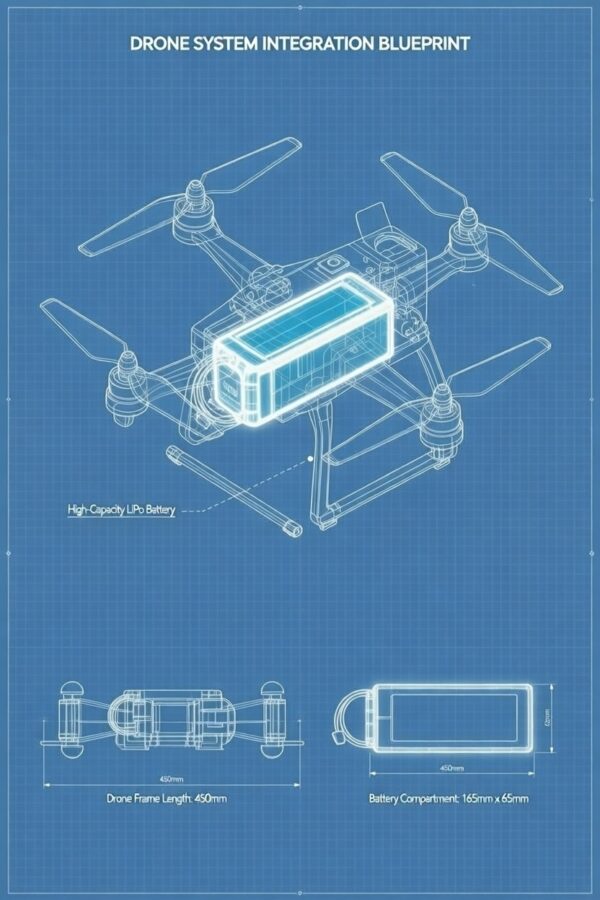
Maximize ROI: Supply Chain Traceability Strategies for E-commerce Drone Fleet Operators
The rapid expansion of e-commerce drone delivery networks has transformed last-mile logistics, yet fleet operators face mounting pressure to optimize returns while maintaining operational excellence. As drone fleets scale from dozens to hundreds of units, supply chain visibility becomes the critical differentiator between profitable operations and costly inefficiencies. Without robust traceability systems, operators struggle with battery degradation tracking, maintenance scheduling conflicts, regulatory compliance gaps, and unexpected downtime that erodes profit margins.
The Hidden Costs of Poor Supply Chain Visibility
Drone fleet operators underestimate the financial impact of inadequate traceability at their peril. Consider these pressing challenges:
- Battery Performance Degradation: Without proper tracking, battery capacity loss goes unnoticed until failure occurs mid-delivery, causing service disruptions and customer dissatisfaction
- Maintenance Blind Spots: Reactive repairs cost 3-5 times more than preventive maintenance, yet many operators lack data-driven insights for scheduling
- Regulatory Compliance Risks: Aviation authorities increasingly mandate detailed flight logs and component tracking for commercial drone operations
- Inventory Mismanagement: Overstocking expensive components ties up capital, while understocking creates operational bottlenecks
Industry research from McKinsey indicates that supply chain transparency improvements can reduce operational costs by 15-25% while boosting asset utilization rates significantly.
Building a Traceability Framework That Delivers Results
Implement IoT-Enabled Component Tracking
Modern drone fleets require granular visibility into every component’s lifecycle. IoT sensors embedded in batteries, motors, and propulsion systems generate real-time performance data that feeds into centralized management platforms. This approach enables:
- Predictive maintenance alerts before critical failures
- Performance benchmarking across fleet units
- Automated compliance documentation generation
- Energy consumption optimization per delivery route
Leading operators report 40% reduction in unexpected downtime after implementing comprehensive IoT tracking systems.
Leverage Blockchain for Immutable Records
Blockchain technology creates tamper-proof records of component history, maintenance activities, and flight operations. This proves invaluable for:
- Regulatory Audits: Instant verification of compliance history
- Insurance Claims: Undeniable evidence of proper maintenance protocols
- Resale Value: Documented component history increases asset valuation
- Liability Protection: Clear accountability chains during incident investigations
Several major logistics companies have already integrated blockchain solutions, demonstrating 60% faster audit completion times.
Deploy AI-Powered Analytics Platforms
Raw data becomes actionable intelligence through machine learning algorithms that identify patterns invisible to human analysts. Advanced analytics platforms can:
- Predict battery replacement cycles with 95% accuracy
- Optimize route planning based on historical performance data
- Identify underperforming units requiring immediate attention
- Forecast component demand to prevent stockouts
Battery Management: The Heart of Fleet Efficiency
Battery performance directly determines fleet ROI more than any other single factor. Proper traceability transforms battery management from a cost center into a competitive advantage.
Critical Battery Tracking Metrics
Successful operators monitor these essential parameters:
- Charge Cycle Count: Total number of complete charge-discharge sequences
- Capacity Retention: Current maximum capacity versus original specifications
- Temperature History: Exposure to extreme conditions affecting longevity
- Internal Resistance: Increasing resistance indicates degradation
- Cell Balance: Voltage variations between individual cells
Understanding these metrics enables precise replacement scheduling, preventing both premature replacements and unexpected failures.
Best Practices for Battery Lifecycle Management
Implement these proven strategies to maximize battery ROI:
Storage Optimization: Maintain batteries at 40-60% charge during extended storage periods. Temperature-controlled environments between 15-25°C significantly extend lifespan.
Charging Protocols: Use smart chargers that adjust rates based on battery condition. Avoid rapid charging unless operationally necessary, as it accelerates degradation.
Rotation Systems: Implement first-in-first-out protocols ensuring even wear across all battery units. Track individual battery usage patterns to identify anomalies.
Performance Benchmarking: Compare battery performance against fleet averages to identify underperformers requiring investigation or replacement.
For detailed battery maintenance best practices, visit our help center at https://cnsbattery.com/drone-battery-home/drone-battery-help-center/
Integration Strategies for Maximum Impact
Centralized Data Management
Fragmented data systems create blind spots that undermine traceability efforts. Unified platforms consolidate information from:
- Flight management systems
- Maintenance records
- Battery monitoring tools
- Inventory management software
- Regulatory compliance databases
This holistic view enables data-driven decision-making across all operational dimensions.
Staff Training and Adoption
Technology investments fail without proper human implementation. Comprehensive training programs ensure:
- Consistent data entry practices across all team members
- Proper interpretation of analytics dashboards
- Quick identification of warning signs requiring attention
- Efficient use of tracking tools during daily operations
Consider designating traceability champions within each operational team to drive adoption and identify improvement opportunities.
Vendor Partnership Alignment
Supply chain traceability extends beyond internal operations to include component suppliers and service providers. Establish clear expectations for:
- Component serialization and documentation
- Maintenance record sharing protocols
- Warranty claim processing procedures
- End-of-life recycling programs
Strong vendor relationships create seamless information flow throughout the entire supply chain ecosystem.
Measuring Success: Key Performance Indicators
Track these metrics to quantify traceability program effectiveness:
| KPI | Target | Measurement Frequency |
|---|---|---|
| Unexpected Downtime | <5% monthly | Weekly |
| Battery Replacement Cost per Flight Hour | Reduce 10% quarterly | Monthly |
| Compliance Audit Pass Rate | 100% | Per audit |
| Maintenance Cost Predictability | ±15% variance | Quarterly |
| Component Inventory Turnover | 4-6 times annually | Monthly |
Regular KPI reviews enable continuous improvement and demonstrate ROI to stakeholders.
Taking Action: Your Path to Enhanced ROI
Supply chain traceability represents more than operational improvement—it’s a strategic imperative for sustainable drone fleet profitability. The operators who invest in comprehensive tracking systems today will dominate tomorrow’s competitive landscape.
Immediate Next Steps
- Conduct a Traceability Audit: Assess current visibility gaps across your fleet operations
- Prioritize High-Impact Areas: Focus first on battery tracking and maintenance scheduling
- Select Technology Partners: Choose solutions that integrate with existing systems
- Establish Baseline Metrics: Document current performance for future comparison
- Create Implementation Timeline: Set realistic milestones for full deployment
Explore Professional Solutions
Ready to transform your drone fleet operations? Our industrial drone battery specifications provide detailed technical information for optimizing your power systems. Visit https://cnsbattery.com/drone-battery-home/drone-battery/ to explore comprehensive battery solutions designed for commercial fleet operators.
For personalized consultation on implementing traceability strategies tailored to your specific operational needs, contact our expert team at https://cnsbattery.com/drone-battery-home/drone-battery-contact
Discover additional resources and optimization strategies at our homepage: https://cnsbattery.com/drone-battery-home
The future of e-commerce drone delivery belongs to operators who embrace data-driven supply chain management. Start your traceability journey today and position your fleet for maximum profitability tomorrow.


