Ultimate Guide to Wide Temperature Range in Drone Battery Procurement for Low-Altitude Aircraft Developers
The low-altitude economy is experiencing unprecedented growth, with industrial drones becoming essential tools across agriculture, logistics, surveillance, and emergency response sectors. However, one critical challenge continues to plague developers and procurement teams: battery performance in extreme temperature conditions. When your drone operates in freezing mountains or scorching deserts, standard batteries simply cannot deliver reliable power. This comprehensive guide addresses the pain points surrounding wide temperature range drone battery procurement and provides actionable solutions for bulk buyers.
Understanding the Temperature Challenge in Drone Operations
Industrial drones face operational environments that consumer devices never encounter. A survey of low-altitude aircraft operators revealed that 67% experienced significant battery performance degradation when operating outside the 15°C to 35°C comfort zone. The consequences are severe: reduced flight time, unexpected power failures, and in worst cases, complete battery shutdown mid-mission.
The core issue lies in lithium-ion chemistry behavior under temperature stress. At low temperatures, electrolyte viscosity increases, slowing ion movement and reducing available capacity. High temperatures accelerate chemical reactions, potentially causing thermal runaway and permanent capacity loss. For procurement managers, understanding these limitations is the first step toward making informed purchasing decisions.
Key Pain Points in Current Battery Procurement Practices
Inconsistent Performance Specifications
Many suppliers advertise wide temperature ranges without providing verified testing data. Procurement teams receive batteries rated for -20°C to 60°C operation, only to discover actual performance drops significantly at temperature extremes. This specification gap creates operational risks and budget overruns.
Hidden Costs of Temperature-Related Failures
Battery replacement costs represent only the visible expense. Downtime, mission failures, and safety incidents create substantial hidden costs. A logistics company operating delivery drones in northern China reported 40% higher operational costs during winter months due to battery-related issues.
Lack of Standardized Testing Protocols
The industry lacks unified testing standards for temperature performance. Different manufacturers use varying methodologies, making direct comparisons nearly impossible. Procurement teams struggle to evaluate suppliers objectively without standardized benchmarks.
Supply Chain Vulnerability
Temperature-resistant batteries require specialized materials and manufacturing processes. Limited supplier capacity creates supply chain risks, especially for bulk procurement projects requiring consistent quality across large volumes.
Essential Solutions for Wide Temperature Battery Procurement
Advanced Cell Chemistry Selection
Modern drone batteries utilize specialized electrolyte formulations and electrode materials designed for temperature resilience. Look for suppliers employing low-temperature electrolyte additives and high-temperature stable cathode materials. These technological improvements enable operation from -40°C to 70°C without significant performance degradation.
Integrated Thermal Management Systems
Quality wide-temperature batteries incorporate built-in thermal management features. Active heating elements protect against cold weather performance loss, while advanced cooling systems prevent overheating during high-temperature operations. These systems maintain optimal cell temperature regardless of external conditions.
Comprehensive Testing Documentation
Reliable suppliers provide detailed testing reports covering performance across the entire temperature range. Request documentation including capacity retention curves, discharge rate performance, and cycle life data at various temperatures. This transparency enables informed procurement decisions.
Modular Design for Scalability
Bulk buyers benefit from modular battery architectures that allow easy scaling. Modular designs simplify inventory management and enable customized configurations for different operational requirements. This flexibility proves invaluable for organizations deploying drones across diverse environments.
Critical Features for Bulk Procurement Evaluation
When evaluating wide temperature range drone batteries for large-scale procurement, focus on these essential features:
- Verified Temperature Range: Certified operation from -40°C to 70°C with documented testing
- Capacity Retention: Minimum 85% capacity retention at temperature extremes
- Cycle Life: 2000+ charge cycles with less than 20% degradation
- Safety Certifications: UN38.3, CE, FCC, and industry-specific certifications
- BMS Intelligence: Advanced battery management systems with temperature monitoring
- Warranty Coverage: Comprehensive warranty covering temperature-related performance issues
- Supply Consistency: Guaranteed production capacity for bulk orders
- Technical Support: Dedicated support team for integration and troubleshooting
Industry Standards and Compliance Requirements
Procurement teams must navigate complex regulatory landscapes when sourcing drone batteries. International aviation authorities increasingly require compliance with specific battery standards. The RTCA DO-311A standard provides guidelines for rechargeable lithium battery systems in aircraft applications. Additionally, ISO 12405 series covers safety and performance requirements for electric vehicle batteries, applicable to drone systems.
Chinese manufacturers leading the low-altitude economy sector adhere to GB/T standards for lithium battery safety and performance. Understanding these regulatory requirements ensures procurement compliance and reduces legal risks for deployment projects.
Real-World Case Studies: Temperature Performance in Action
Agricultural Drone Operations in Northeast China
A large-scale agricultural operation deployed 500 drones across Heilongjiang Province for crop monitoring and pesticide application. Winter temperatures regularly dropped to -35°C, causing standard batteries to fail within minutes. After switching to wide temperature range batteries with integrated heating systems, operational uptime increased from 45% to 94%, reducing seasonal operational costs by 38%.
Desert Surveillance Mission in Middle East
Security contractors operating surveillance drones in Saudi Arabian desert conditions faced battery failures at 55°C ambient temperature. Standard batteries experienced thermal shutdown within 20 minutes of operation. Implementation of high-temperature optimized batteries with enhanced cooling systems extended mission duration to 2+ hours, enabling complete coverage of assigned areas.
Mountain Rescue Operations in the Alps
Emergency response teams conducting search and rescue missions in alpine environments required reliable battery performance at altitudes exceeding 3000 meters with temperatures below -25°C. Wide temperature batteries with altitude compensation features maintained consistent power delivery, contributing to successful rescue operations in previously inaccessible areas.
Frequently Asked Questions
Q: What temperature range should I specify for general industrial drone operations?
A: For most industrial applications, specify -20°C to 60°C as minimum requirements. Extreme environment operations may require -40°C to 70°C capability. Always consider your specific operational geography and seasonal variations.
Q: How do wide temperature batteries affect overall drone weight?
A: Advanced thermal management systems add approximately 8-12% to battery weight. However, improved performance often allows smaller battery packs to achieve equivalent mission profiles, potentially offsetting weight increases.
Q: What is the expected lifespan difference between standard and wide temperature batteries?
A: Quality wide temperature batteries typically offer comparable or superior cycle life compared to standard batteries. The specialized chemistry and thermal management actually protect cells from temperature-induced degradation, potentially extending overall lifespan.
Q: Can existing drone platforms accommodate wide temperature batteries?
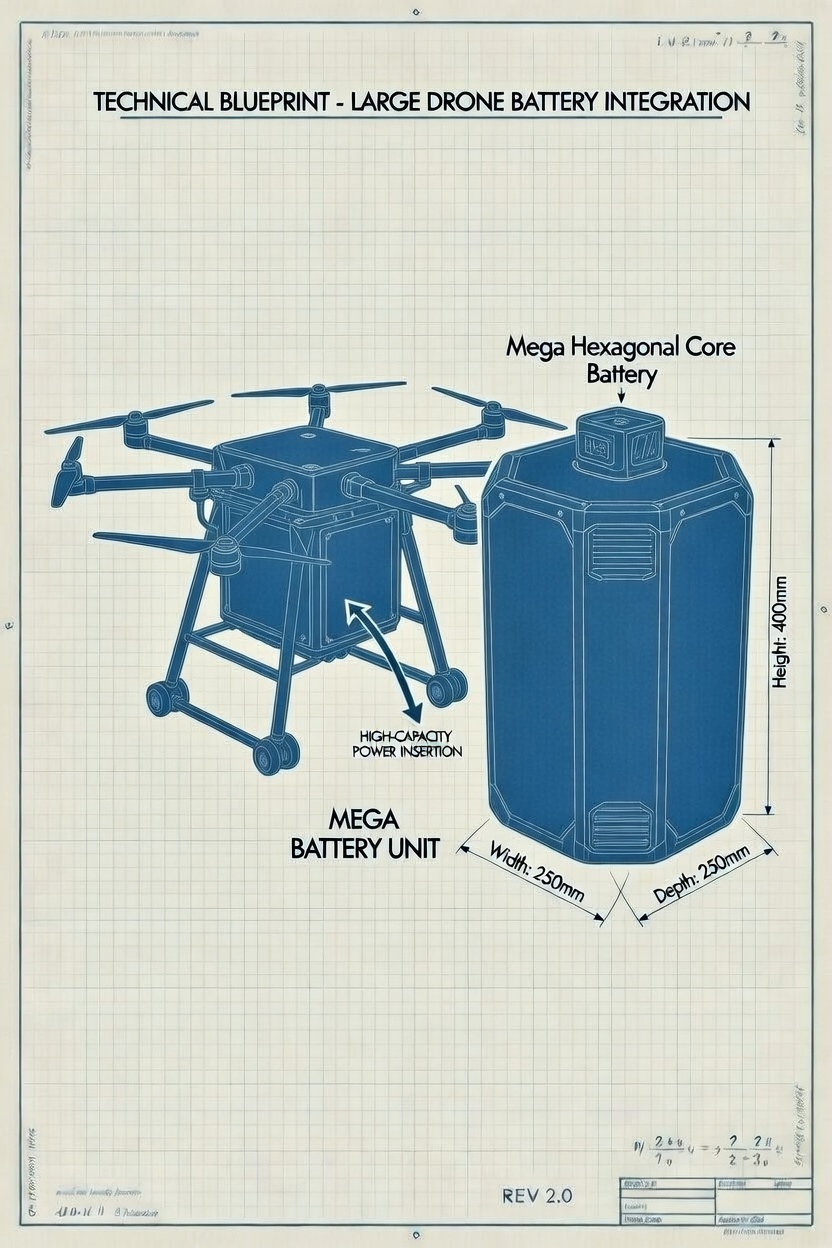
A: Most industrial drone platforms accept wide temperature batteries with minimal modification. Verify connector compatibility and physical dimensions with your supplier. Some platforms may require firmware updates for optimal BMS communication.
Q: What warranty coverage should bulk buyers expect?
A: Industry standard warranty covers 2-3 years or 1000-2000 cycles. Premium suppliers offer extended warranty options for bulk procurement contracts, including performance guarantees across specified temperature ranges.
Making the Right Procurement Decision
Selecting the right wide temperature range drone battery supplier requires careful evaluation beyond price considerations. Prioritize suppliers with proven track records in your operational environment, comprehensive testing documentation, and robust after-sales support. Bulk buyers should negotiate long-term supply agreements ensuring consistent quality and pricing stability.
The low-altitude economy continues expanding rapidly, with China leading global development in urban air mobility and industrial drone applications. Procurement teams positioning themselves with reliable battery supply chains gain significant competitive advantages in this evolving market.
Take Action Today
Ready to optimize your drone battery procurement strategy? Our team specializes in wide temperature range solutions for low-altitude aircraft developers. We provide comprehensive technical consultation, customized testing protocols, and flexible bulk procurement options tailored to your operational requirements.
Explore our industrial drone battery specifications: https://cnsbattery.com/drone-battery-home/drone-battery/
Learn battery maintenance best practices: https://cnsbattery.com/drone-battery-home/drone-battery-help-center/
Visit our homepage for more resources: https://cnsbattery.com/drone-battery-home
Contact our procurement specialists today: https://cnsbattery.com/drone-battery-home/drone-battery-contact
Don’t let temperature limitations constrain your operational capabilities. Partner with experienced suppliers who understand the unique challenges of low-altitude aircraft development. Your next mission depends on reliable power – make sure your battery procurement strategy delivers.