Drone Battery Safety: Essential Wide Temperature Range for Aerial Filming Professionals
For aerial filming professionals, every flight is a calculated risk. The difference between capturing breathtaking footage and facing equipment failure often comes down to one critical component: the drone battery. Understanding battery safety, particularly regarding wide temperature range performance, has become non-negotiable for serious cinematographers and commercial operators.
Why Temperature Range Matters for Professional Drone Operations
Professional drone operators work in diverse environments. From the scorching heat of desert landscapes to the freezing conditions of mountain peaks, batteries must perform reliably across extreme temperature variations. Standard consumer-grade batteries typically operate within narrow temperature windows, creating significant safety hazards and performance limitations.
Wide temperature range batteries offer distinct advantages that directly impact your bottom line. They reduce unexpected shutdowns, extend operational windows, and most importantly, minimize safety risks that could damage expensive equipment or cause accidents. When you’re filming at 3 AM in sub-zero conditions or during midday in 40-degree Celsius heat, battery reliability becomes your most valuable asset.
The Hidden Dangers of Temperature-Insensitive Batteries
Many aerial filming professionals underestimate how temperature affects lithium polymer battery chemistry. Cold temperatures increase internal resistance, reducing power output and potentially causing voltage sag during critical flight moments. Heat accelerates chemical degradation, shortening battery lifespan and increasing the risk of thermal runaway.
Consider this scenario: A production team is filming a commercial in the Canadian Rockies during winter. Standard batteries lose 40% of their capacity at -10°C. The drone experiences unexpected power loss at 200 feet altitude. This isn’t just equipment damage—it’s a safety incident that could have been prevented with proper wide temperature range batteries.
Key Advantages of Wide Temperature Range Drone Batteries
Extended Operational Flexibility
Professional operators gain the freedom to accept jobs in any climate without worrying about battery limitations. This flexibility translates directly to increased revenue opportunities and client satisfaction.
Enhanced Safety Margins
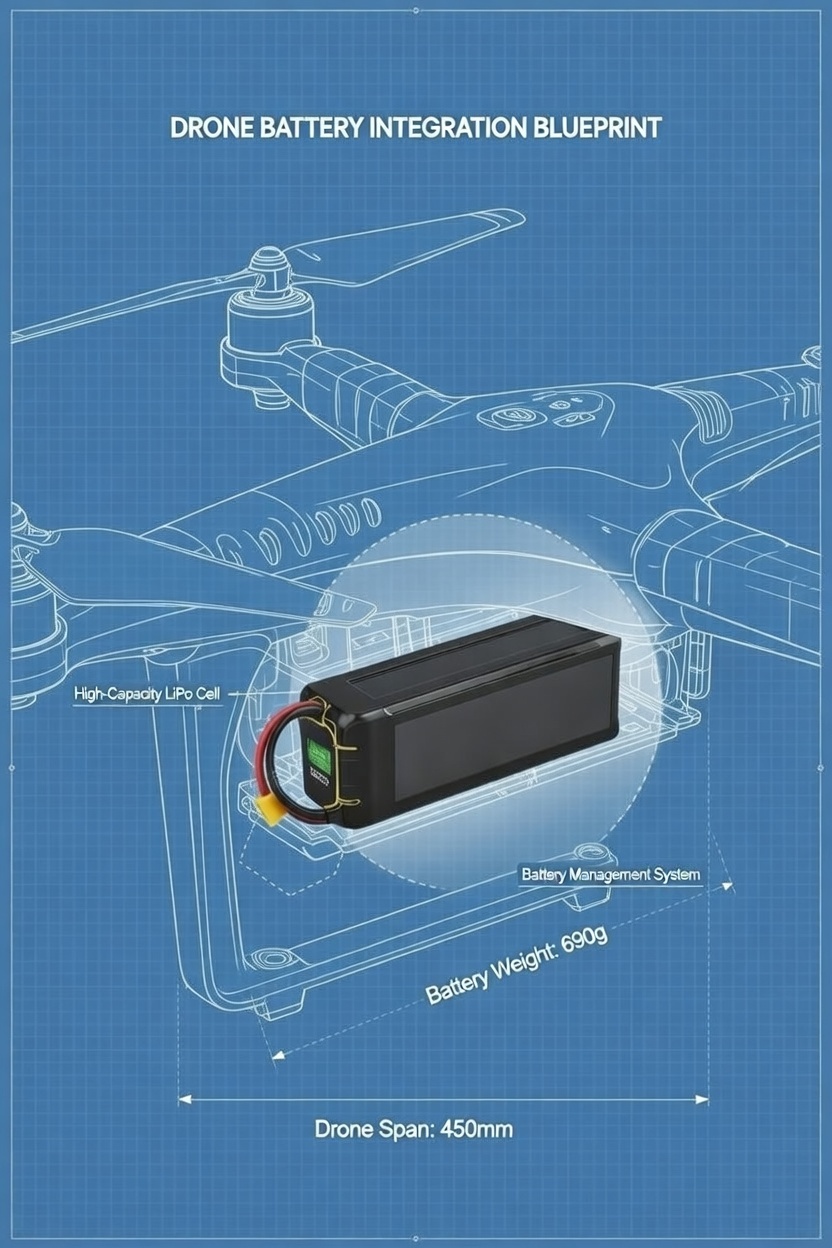
Wide temperature range batteries incorporate advanced thermal management systems that monitor cell temperature in real-time. This proactive approach prevents dangerous conditions before they escalate.
Longer Battery Lifespan
By operating within optimal temperature parameters, these batteries experience less chemical stress, resulting in more charge cycles and better long-term value.
Consistent Power Delivery
Regardless of environmental conditions, wide temperature range batteries maintain stable voltage output, ensuring smooth flight performance and reliable camera operation.
Step-by-Step Guide: Maximizing Battery Safety in Extreme Conditions
Step 1: Pre-Flight Temperature Assessment
Before every flight, check ambient temperature and battery temperature. Allow batteries to acclimate to operating conditions for at least 15 minutes. Cold batteries should be warmed gradually using insulated cases or battery warmers. Never apply direct heat sources.
Step 2: Proper Storage Protocols
Store batteries at 50-60% charge in temperature-controlled environments. Ideal storage temperature ranges between 15-25°C. Avoid leaving batteries in vehicles during extreme weather, as interior temperatures can exceed safe limits rapidly.
Step 3: Monitoring During Operation
Use battery management systems that provide real-time temperature data. Set alerts for temperature thresholds. If battery temperature exceeds 45°C or drops below 0°C during operation, land immediately and allow the battery to return to safe operating range.
Step 4: Post-Flight Care
After flights in extreme conditions, allow batteries to cool or warm gradually before charging. Never charge batteries immediately after extreme temperature exposure. Wait until they reach room temperature.
Real-World Example: Documentary Production in Iceland
A documentary crew filming in Iceland faced -15°C temperatures with strong winds. Using standard batteries, they experienced three emergency landings in the first two days. After switching to wide temperature range batteries designed for -20°C to 60°C operation, they completed two weeks of filming without a single battery-related incident. The production manager noted: “The battery investment paid for itself in avoided downtime alone.”
Understanding Battery Chemistry and Temperature
Lithium polymer batteries rely on chemical reactions that are temperature-dependent. Electrolyte viscosity changes with temperature, affecting ion movement between electrodes. Wide temperature range batteries use specialized electrolyte formulations and cell designs that maintain performance across broader temperature spectrums.
Advanced battery management systems incorporate heating and cooling elements that actively regulate cell temperature. This technology, once reserved for military applications, is now accessible to professional aerial filming operations.
Warning Signs of Temperature-Related Battery Issues
Recognize these indicators before they become safety hazards:
- Reduced flight time compared to normal conditions
- Unexpected voltage drops during flight
- Battery swelling or deformation
- Excessive heat generation during charging
- Error messages related to battery temperature
If you notice any of these signs, remove the battery from service immediately and consult technical support.
Investment vs. Risk: Making the Right Choice
Professional drone operators must weigh battery costs against potential risks. A high-quality wide temperature range battery may cost 30-50% more than standard options, but consider the alternatives:
- Equipment damage from crashes: $5,000-50,000
- Lost footage and reshoots: $10,000-100,000
- Liability from accidents: Unlimited
- Reputation damage: Priceless
The math becomes clear when viewed through this lens. Battery safety isn’t an expense—it’s insurance for your entire operation.
Building a Comprehensive Battery Safety Protocol
Develop written protocols covering all aspects of battery handling. Include temperature guidelines, storage requirements, charging procedures, and emergency response steps. Train all team members on these protocols and conduct regular safety briefings before shoots.
Document every battery incident, no matter how minor. This data helps identify patterns and prevent future issues. Maintain battery logs tracking charge cycles, temperature exposure, and performance metrics.
The Future of Drone Battery Technology
Battery technology continues evolving rapidly. Solid-state batteries promise even wider temperature ranges and improved safety profiles. Smart batteries with AI-driven thermal management are emerging. Professional operators should stay informed about these developments to maintain competitive advantages.
Taking Action for Safer Operations
Your commitment to battery safety demonstrates professionalism to clients and protects your team. Start by evaluating your current battery inventory against your operating environments. Identify gaps where wide temperature range batteries would provide meaningful safety improvements.
For detailed specifications on industrial drone batteries designed for professional applications, visit https://cnsbattery.com/drone-battery-home/drone-battery/ to explore options that match your operational requirements.
Implement the maintenance best practices outlined at https://cnsbattery.com/drone-battery-home/drone-battery-help-center/ to maximize battery lifespan and safety performance.
Final Thoughts on Professional Battery Safety
Aerial filming professionals operate in an industry where margins for error are razor-thin. Battery safety, particularly regarding temperature management, represents one of the most controllable risk factors in your operation. Wide temperature range batteries aren’t luxury items—they’re essential tools for serious professionals.
Invest in quality, follow protocols rigorously, and never compromise on safety. Your reputation, equipment, and team depend on these decisions. The sky is your workplace. Make sure your power source can handle whatever conditions you encounter.
For personalized consultation on battery solutions for your specific operational needs, reach out through our contact page at https://cnsbattery.com/drone-battery-home/drone-battery-contact. Our team understands the unique challenges professional aerial filming operations face and can recommend appropriate solutions.
Visit our homepage at https://cnsbattery.com/drone-battery-home to learn more about our complete range of professional drone battery solutions and safety resources.
Remember: Every successful flight begins with a safe, reliable power source. Choose wisely, operate responsibly, and keep filming.