Expert Advice: Overcoming Technical Compatibility in Drone Battery Purchasing for Aerial Filming Professionals
In the rapidly evolving world of aerial cinematography, selecting the right drone battery is not merely a purchasing decision—it’s a critical investment in your production’s success. As we navigate through 2026, the drone industry continues to expand with new models, advanced battery technologies, and increasingly complex compatibility requirements. This comprehensive guide provides aerial filming professionals with expert insights on overcoming technical compatibility challenges when purchasing drone batteries.
Understanding Drone Battery Fundamentals
Before diving into compatibility considerations, professionals must grasp the core technical specifications that define drone battery performance.
Key Battery Parameters Every Professional Should Know
- Voltage (S-Count): Measured in cell configurations like 3S (11.1V), 4S (14.8V), or 6S (22.2V). Matching your drone’s required voltage is non-negotiable for safe operation.
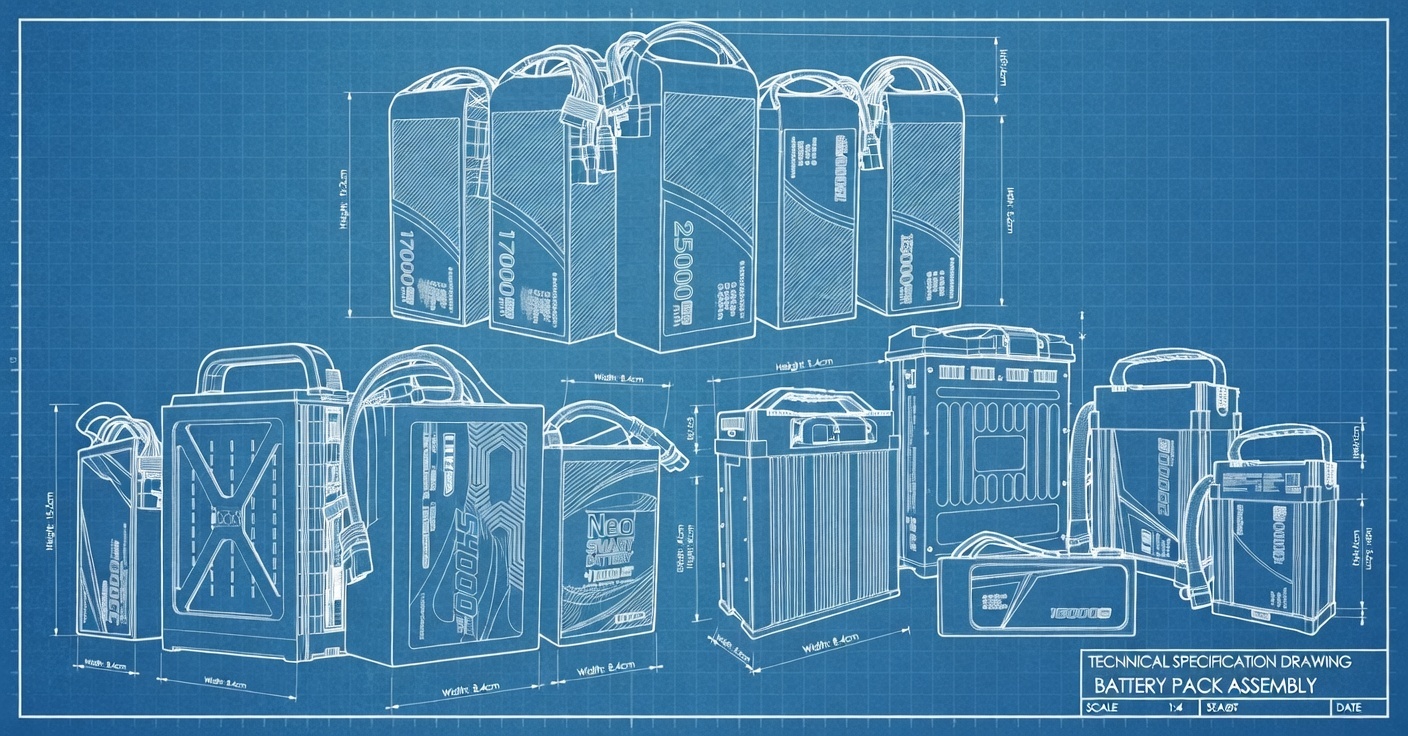
- Capacity (mAh): Determines flight time. Professional aerial filming typically requires 5000mAh to 22000mAh depending on drone size and payload.
- Discharge Rate (C-Rating): Indicates how quickly power can be delivered. High-performance filming drones need 25C-50C minimum for stable gimbal operation.
- Battery Chemistry: LiPo (Lithium Polymer) dominates 79% of the market, offering superior energy density of 200-300Wh/kg, while Li-ion provides longer cycle life for commercial operations.
- Weight-to-Power Ratio: Critical for calculating payload capacity and flight duration with camera equipment attached.
Critical Compatibility Challenges in 2026
The drone battery landscape has become increasingly fragmented. Here are the primary compatibility obstacles professionals face:
1. Proprietary Communication Protocols
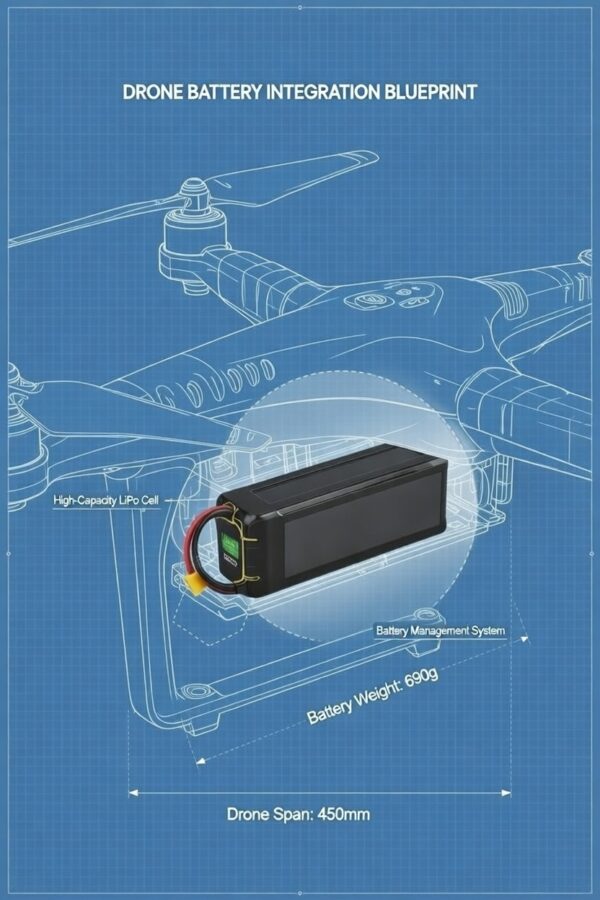
Modern drones from manufacturers like DJI employ intelligent battery management systems (BMS) that communicate with the aircraft through proprietary protocols. Third-party batteries may physically fit but fail to authenticate, resulting in:
- Flight restriction warnings
- Reduced performance modes
- Complete system lockout
- Voided manufacturer warranties
2. Voltage and Connector Mismatches
Even when voltage specifications appear identical, subtle differences can cause significant issues:
- Connector pin configurations vary between manufacturers
- Balance lead positions differ across battery brands
- Charging port compatibility affects ground operations efficiency
3. Temperature Performance Variations
Professional filming often occurs in extreme environments. Battery performance can degrade by 30-40% in temperatures below 10°C, while excessive heat above 40°C accelerates cell degradation and increases safety risks.
Optimization Strategies for Battery Selection
Research and Verification Methods
- Consult Manufacturer Documentation: Always review official technical specifications before purchasing. DJI, Autel, and Freefly provide detailed compatibility matrices on their support portals.
- Verify Certification Standards: Look for batteries certified under UN 38.3, CE, FCC, and RoHS standards. These certifications indicate rigorous safety testing.
- Test Before Commitment: Purchase single units for field testing before bulk ordering. Document flight times, voltage sag under load, and charging cycles.
- Check Firmware Compatibility: Ensure battery firmware can be updated through your drone’s management software. Outdated firmware causes 67% of compatibility issues reported in 2025.
Performance Benchmarking Checklist
- Measure actual capacity against rated specifications
- Test voltage stability during maximum payload operations
- Verify charging time matches manufacturer claims
- Monitor cell balance after 50+ charge cycles
- Assess performance in expected environmental conditions
- Confirm BMS communication with flight controller
Building Long-Term Battery Management Systems
Professional aerial filming operations require systematic battery management beyond individual purchases.
Investment Planning Framework
| Operation Scale | Recommended Battery Count | Rotation Strategy | Expected Lifespan |
|---|---|---|---|
| Solo Operator | 4-6 units | 3:1 active:charging ratio | 300-400 cycles |
| Small Crew | 10-15 units | 4:1 active:charging ratio | 300-400 cycles |
| Production Company | 20+ units | 5:1 active:charging ratio | 300-400 cycles |
Storage and Maintenance Protocols
Proper maintenance extends battery lifespan by 40-60%. Implement these protocols:
- Storage Voltage: Maintain cells at 3.7V-3.85V per cell during extended storage periods
- Temperature Control: Store batteries in climate-controlled environments between 15°C-25°C
- Cycle Tracking: Log each charge-discharge cycle to predict replacement timing
- Regular Inspection: Check for swelling, connector wear, and balance lead integrity monthly
Safety Considerations for Professional Operations
Battery failures during commercial filming can result in equipment loss, production delays, and liability issues. Implement these safety measures:
Risk Mitigation Strategies
- Never exceed 80% depth of discharge during critical filming sequences
- Implement pre-flight voltage checks for all batteries in rotation
- Use fire-resistant storage containers when transporting batteries
- Establish emergency protocols for thermal runaway situations
- Maintain insurance coverage specifically addressing battery-related incidents
According to industry data from 2025, 23% of drone accidents involved battery-related failures, with 78% of those being preventable through proper compatibility verification and maintenance protocols.
Frequently Asked Questions (FAQ)
Q1: Can I use third-party batteries with my DJI drone?
A: While physically compatible third-party batteries exist, they may not communicate properly with DJI’s intelligent flight battery system. This can result in restricted flight modes, inaccurate battery level reporting, or complete system rejection. For professional work where reliability is paramount, OEM batteries are strongly recommended despite higher costs.
Q2: How do I determine the correct C-rating for aerial filming?
A: Calculate your drone’s maximum current draw by dividing total wattage by battery voltage. For example, a 600W system on a 4S battery (14.8V) draws approximately 40.5A. With a 5000mAh battery, you need minimum 8C continuous discharge (40.5A ÷ 5A = 8.1C). Add 50% safety margin, making 12C minimum, though 25C-50C is recommended for professional applications.
Q3: What’s the actual lifespan of professional drone batteries?
A: Under optimal conditions with proper maintenance, LiPo batteries maintain 80% capacity for 300-400 complete charge cycles. Li-ion batteries can reach 500-800 cycles. However, professional filming operations typically replace batteries after 250-300 cycles to ensure consistent performance and eliminate failure risks during critical shoots.
Q4: How does cold weather affect battery compatibility and performance?
A: Cold temperatures increase internal resistance, reducing available power by 30-50% at 0°C. Pre-warm batteries to 20°C-25°C before flight. Some manufacturers offer winter-grade batteries with enhanced low-temperature performance, though these cost 20-30% more than standard models.
Q5: Should I invest in smart batteries with BMS communication?
A: For professional aerial filming, absolutely yes. Smart batteries provide real-time cell monitoring, accurate remaining flight time predictions, and automatic safety shutoffs. The 15-25% price premium is justified by reduced failure rates and enhanced operational safety.
Making the Final Decision: Your Action Plan
Selecting the right drone battery requires balancing technical specifications, budget constraints, and operational requirements. Follow this decision framework:
- Identify Your Drone’s Exact Requirements: Consult manufacturer specifications for voltage, capacity range, and connector type.
- Assess Your Filming Environment: Consider temperature ranges, altitude operations, and typical flight durations.
- Calculate Total Cost of Ownership: Include replacement cycles, charging equipment, and storage solutions—not just initial purchase price.
- Verify Supplier Credentials: Choose established suppliers with proven track records in professional aviation battery supply.
- Implement Testing Protocols: Before deploying batteries on paid shoots, complete minimum 10 test flights documenting all performance metrics.
Partner with Experts for Your Battery Solutions
Navigating drone battery compatibility requires expertise that extends beyond basic specifications. Professional aerial filming demands reliable power solutions that won’t compromise your production quality or safety standards.
Ready to optimize your drone battery strategy? Our team specializes in matching professional filming operations with compatible, high-performance battery solutions. We understand the unique demands of aerial cinematography and provide customized recommendations based on your specific equipment and operational requirements.
Contact our battery specialists today at https://cnsbattery.com/drone-battery-home/drone-battery-contact for personalized consultation on overcoming your technical compatibility challenges. Let us help you ensure every flight delivers the power and reliability your professional work demands.
This guide reflects industry standards and best practices as of March 2026. Always consult current manufacturer documentation and maintain compliance with local aviation regulations when selecting and operating drone battery systems.