Avoid Common Mistakes in Technical Compatibility for Drone Manufacturers Drones
The drone industry is experiencing unprecedented growth in 2026, with the global market expanding rapidly across commercial, industrial, and consumer segments. For drone manufacturers, achieving technical compatibility isn’t just a nice-to-have feature—it’s a critical competitive advantage that separates market leaders from those struggling to gain traction. When your drone systems work seamlessly with batteries, controllers, software, and accessories, you unlock enhanced performance, reduced operational costs, and superior customer satisfaction.
Why Technical Compatibility Matters for Drone Success
Technical compatibility serves as the foundation for reliable drone operations. Manufacturers who prioritize compatibility from the design phase enjoy significant advantages including extended flight times, improved safety protocols, and streamlined maintenance procedures. In today’s competitive landscape, where companies like DJI continue to dominate the consumer drone market, emerging manufacturers must differentiate themselves through superior integration capabilities.
The benefits extend beyond immediate performance metrics. Compatible systems reduce downtime, minimize replacement costs, and create ecosystems that encourage customer loyalty. When operators can confidently mix and match components without worrying about failures, they’re more likely to invest in your brand long-term.
Common Compatibility Mistakes That Cost Manufacturers
1. Ignoring Battery Voltage Specifications
One of the most frequent errors involves mismatched battery voltage requirements. Drone manufacturers often design frames and motors without considering the full range of compatible battery options. This oversight leads to reduced flight performance, potential safety hazards, and customer frustration.
Example: A commercial inspection drone designed for 22.2V batteries may experience catastrophic failure when users inadvertently connect 25.2V alternatives. The motor controllers overheat, ESCs fail, and the entire system becomes unreliable.
Solution: Clearly document voltage tolerances and implement smart battery management systems that prevent incompatible connections.
2. Overlooking Communication Protocol Standards
Different drone components rely on specific communication protocols. When manufacturers fail to standardize these protocols across their product lines, integration becomes nearly impossible. This mistake particularly affects companies expanding their product portfolios without maintaining backward compatibility.
Real-World Impact: Agricultural drone operators frequently report issues when upgrading flight controllers while keeping existing GPS modules. The incompatible protocols cause signal loss, positioning errors, and mission failures during critical spraying operations.
3. Neglecting Thermal Management Compatibility
Battery chemistry, motor efficiency, and electronic component performance all generate heat. Manufacturers who don’t account for thermal compatibility between subsystems face premature component degradation and safety risks.
Step-by-Step Prevention Guide:
- Conduct thermal mapping during prototype development
- Test battery discharge rates under maximum load conditions
- Verify cooling system capacity matches heat generation
- Implement thermal sensors with automatic shutdown protocols
- Document operating temperature ranges for all components
4. Failing to Consider Regulatory Compliance
Different regions enforce varying technical standards for drone operations. Manufacturers targeting global markets must ensure their compatibility frameworks meet FAA, EASA, and CAAC requirements simultaneously. This complexity often leads to costly redesigns and market access delays.
Building a Compatibility-First Design Philosophy
Step 1: Establish Component Standards Early
Before beginning any drone development project, create comprehensive specification documents that define acceptable ranges for all critical parameters. This includes voltage, current, communication protocols, physical dimensions, and environmental tolerances.
Action Items:
- Create master compatibility matrices for each product line
- Document all interface requirements in technical manuals
- Establish testing protocols for third-party component integration
- Maintain version control for all specification updates
Step 2: Implement Modular Architecture
Modular design principles enable easier upgrades and component replacements. When manufacturers build drones with swappable modules, operators can customize configurations without compromising system integrity.
Practical Example: Industrial survey drones benefit from modular camera gimbals that maintain electrical and data compatibility across multiple sensor types. Operators can switch between thermal, RGB, and LiDAR payloads without recalibrating entire systems.
Step 3: Develop Comprehensive Testing Procedures
Compatibility testing shouldn’t end at prototype completion. Implement ongoing validation processes that verify component interactions throughout the product lifecycle.
Testing Framework:
- Initial Compatibility Verification: Test all advertised compatible components before product launch
- Field Validation: Collect real-world performance data from beta testers
- Continuous Monitoring: Track failure rates and compatibility issues post-launch
- Update Protocols: Establish clear procedures for firmware updates that maintain compatibility
Step 4: Create Clear Documentation
Even perfectly compatible systems fail when users don’t understand proper integration procedures. Invest in comprehensive documentation that guides operators through compatibility considerations.
Documentation Essentials:
- Compatibility charts with visual indicators
- Step-by-step integration guides
- Troubleshooting flowcharts for common issues
- Video tutorials demonstrating proper component installation
The Battery Compatibility Challenge
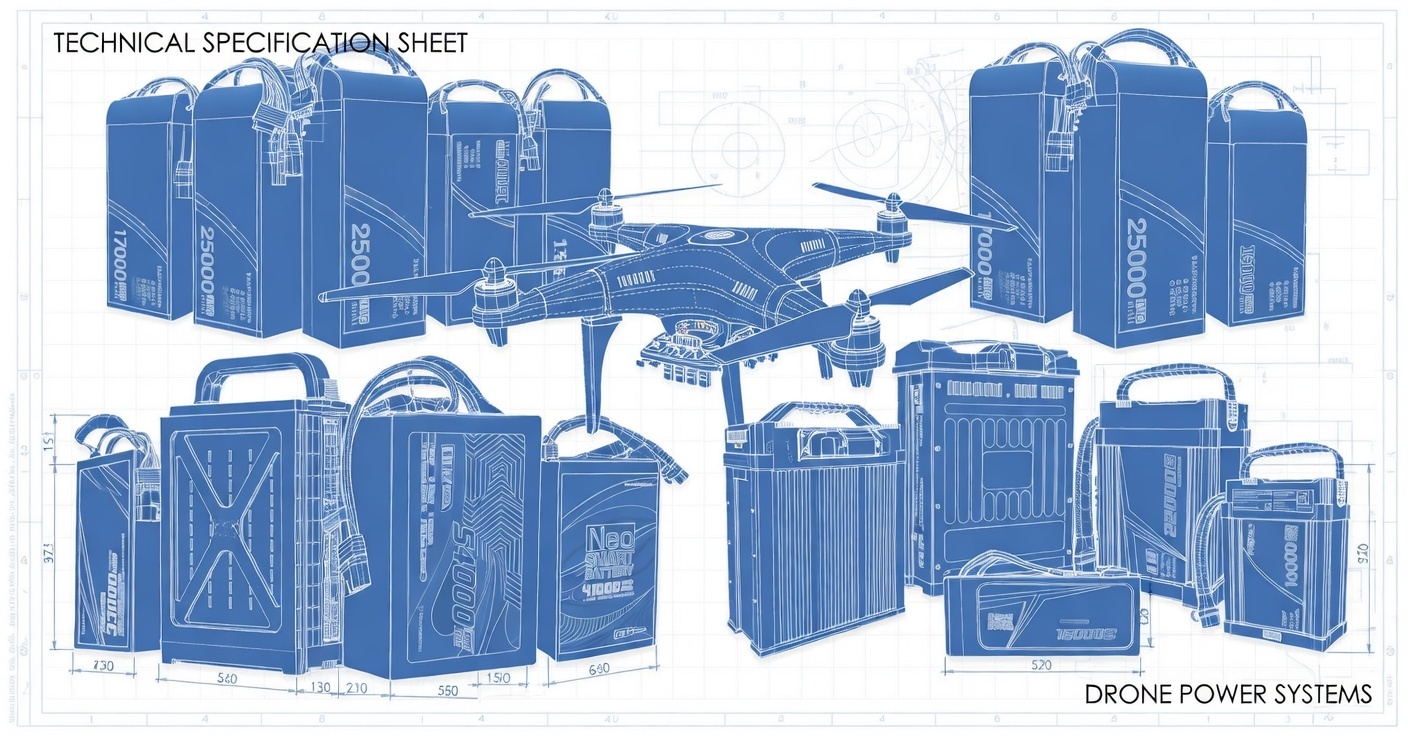
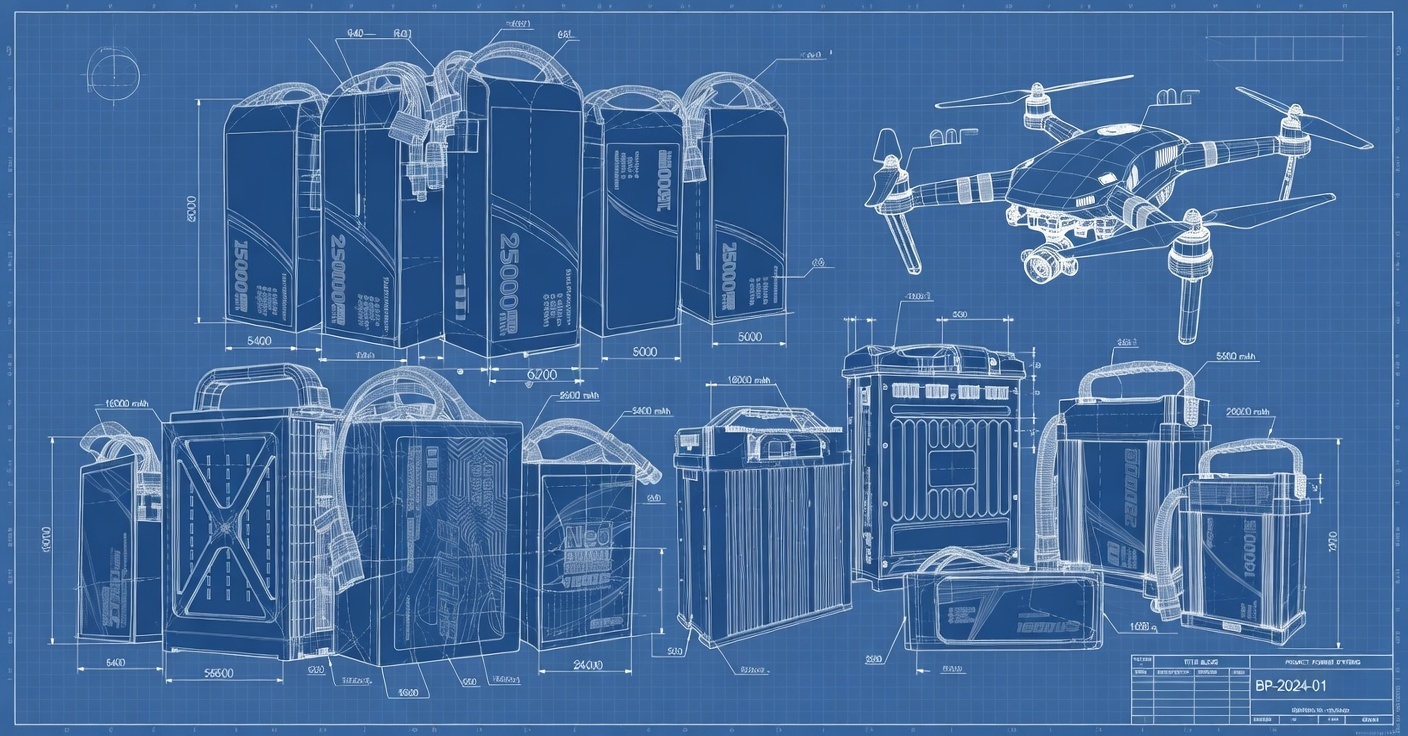
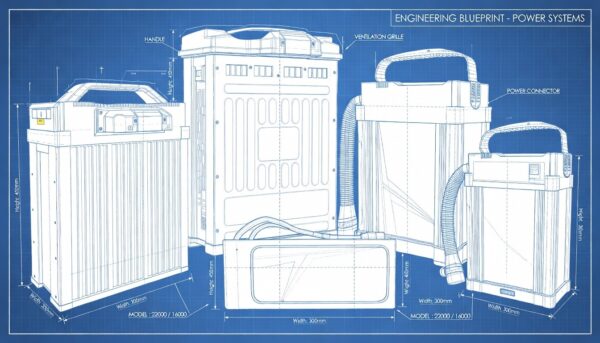
Battery technology represents perhaps the most critical compatibility consideration for drone manufacturers. With solid-state and high-energy-density batteries transitioning from laboratory to commercial applications in 2026, the complexity continues increasing.
According to recent market research, drone batteries are evolving from “replaceable consumables” to “mission-critical system components.” This shift demands unprecedented attention to compatibility factors including:
- Chemistry Compatibility: LiPo, Li-ion, and emerging solid-state batteries require different charging protocols and safety systems
- Capacity Matching: Battery capacity must align with motor power requirements and expected flight durations
- Smart Battery Integration: Modern drones increasingly rely on battery management systems that communicate remaining capacity, health status, and optimal discharge rates
- Temperature Performance: Battery performance varies significantly across temperature ranges, requiring compatible thermal management systems
Manufacturers who partner with established battery suppliers gain significant advantages. These partnerships ensure access to tested, validated power systems that integrate seamlessly with drone platforms.
Software and Firmware Compatibility Considerations
Hardware compatibility represents only half the challenge. Software integration increasingly determines overall system performance and user experience.
Key Software Compatibility Factors:
- Flight Controller Firmware: Must maintain compatibility with ground control stations, mobile applications, and autonomous navigation systems
- Data Transmission Protocols: Video feeds, telemetry data, and control signals require standardized transmission methods
- Update Management: Firmware updates shouldn’t break existing component compatibility
- Third-Party Integration: API availability enables custom software development and specialized application integration
Learning from Industry Leaders
Successful drone manufacturers demonstrate clear commitment to compatibility excellence. Companies dominating specific market segments typically maintain strict compatibility standards across their product ecosystems. This approach creates switching costs that encourage customer retention while reducing support burdens.
Best Practices from Market Leaders:
- Maintain backward compatibility for at least two product generations
- Provide migration paths for customers upgrading systems
- Offer compatibility guarantees for certified third-party components
- Invest in customer education programs about proper integration
Future-Proofing Your Compatibility Strategy
The drone industry continues evolving rapidly. Manufacturers must build flexibility into their compatibility frameworks to accommodate emerging technologies without requiring complete system redesigns.
Emerging Compatibility Considerations for 2026-2027:
- 5G Integration: Network connectivity requirements for beyond-visual-line-of-sight operations
- AI Processing Units: Compatibility with onboard artificial intelligence systems for autonomous operations
- Swarm Technology: Communication protocols enabling multiple drone coordination
- Advanced Sensing: Integration with next-generation LiDAR, radar, and computer vision systems
Taking Action: Your Compatibility Roadmap
Improving technical compatibility requires systematic approach and ongoing commitment. Start by auditing your current product lines for compatibility gaps. Identify the most common customer complaints related to component integration. Prioritize fixes that deliver maximum customer value.
Immediate Actions:
- Review all technical documentation for clarity and completeness
- Test current products with popular third-party components
- Survey customers about compatibility challenges they’ve experienced
- Establish compatibility testing protocols for future products
- Create feedback channels for reporting integration issues
For manufacturers seeking expert guidance on battery compatibility and power system integration, professional consultation can accelerate improvement efforts. Reach out through the contact page at https://cnsbattery.com/drone-battery-home/drone-battery-contact to discuss your specific compatibility challenges and opportunities.
Conclusion: Compatibility as Competitive Advantage
Technical compatibility isn’t merely an engineering consideration—it’s a strategic business decision that directly impacts market success. Drone manufacturers who prioritize compatibility from initial design through product lifecycle management build stronger brands, reduce support costs, and create loyal customer bases.
The drone market in 2026 rewards companies that make integration seamless. As the industry matures and customers become more sophisticated, tolerance for compatibility issues continues decreasing. Manufacturers who act now to address common mistakes position themselves for sustained growth and market leadership.
Remember: every compatibility problem solved represents a customer retained, a support ticket avoided, and a reputation enhanced. Invest in compatibility today, and your drone manufacturing business will soar tomorrow.