
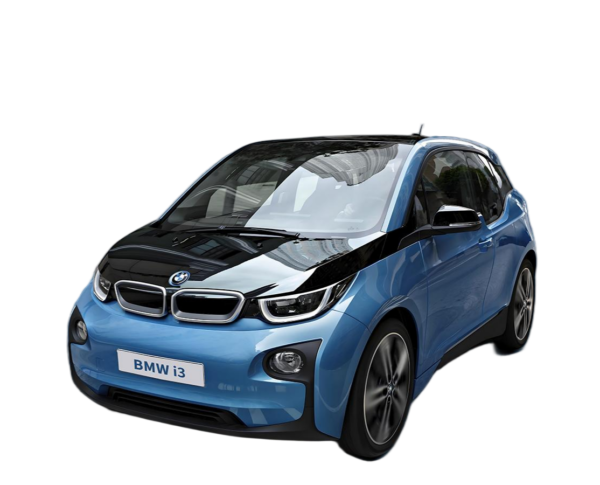
BMW i3 EV Battery Return Rates: Key Factors – Must Read
Why Are Some BMW i3 Battery Replacements Returned? The Truth Behind the Numbers
Have you ever wondered why some BMW i3 battery replacements end up being returned while others perform flawlessly for years? You’re not alone. Thousands of BMW i3 owners face this exact dilemma when their original battery starts showing signs of degradation. The difference between a successful battery upgrade and a costly return often comes down to understanding a few critical factors that most buyers overlook.
In this comprehensive guide, we’ll uncover the key factors influencing EV battery return rates and show you how to make an informed decision that protects your investment. Whether you’re driving a 2014, 2015, 2016, 2017, or 2018 BMW i3, this information could save you thousands of dollars and countless hours of frustration.
Understanding BMW i3 Battery Return Rates: What the Data Tells Us
The Reality of EV Battery Replacement Market
The electric vehicle battery market has grown exponentially, reaching approximately $91.93 billion in 2024 and projected to hit $251.33 billion by 2035. With this rapid expansion comes varying quality standards across suppliers. Industry data suggests that battery return rates can range from 5% to 15% depending on multiple factors including manufacturer quality, installation expertise, and customer expectations.
For BMW i3 owners, the stakes are particularly high. Your vehicle’s performance, range, and resale value all depend on battery health. A poor-quality replacement can lead to:
- Reduced driving range below advertised specifications
- Premature degradation requiring another replacement within 2-3 years
- Compatibility issues with vehicle management systems
- Safety concerns related to thermal management and cell balance
Why Return Rates Matter to You
When you invest in a BMW i3 battery replacement, you’re not just buying a component—you’re buying peace of mind. High return rates often indicate underlying problems with:
- Product quality control
- Inaccurate capacity ratings
- Poor cell matching and balancing
- Inadequate warranty support
Understanding these factors helps you identify reputable suppliers and avoid costly mistakes.
5 Critical Factors That Drive BMW i3 Battery Return Rates
Factor 1: Battery Cell Quality and Origin
The foundation of any EV battery replacement lies in the quality of individual cells. Premium suppliers use Grade A lithium-ion cells from established manufacturers, while budget options may incorporate recycled or lower-grade cells.
What to look for:
- Cell manufacturer transparency (LG, Samsung, CATL, etc.)
- Cell grade certification documentation
- Consistent cell matching within the battery pack
- Thermal management compatibility with BMW i3 systems
Batteries using inferior cells show higher failure rates within the first 12 months, directly contributing to elevated return rates.
Factor 2: Accurate Capacity Rating and Performance Claims
One of the most common reasons for BMW i3 battery returns is mismatched expectations. Some suppliers advertise capacity figures that don’t reflect real-world performance.
Key considerations:
- Usable capacity vs. total capacity (BMW i3 typically uses 80-90% of total)
- Range estimates based on actual driving conditions
- Power output consistency across temperature ranges
- Charging speed compatibility with BMW’s onboard charger
A transparent supplier provides verified performance data rather than optimistic marketing claims.
Factor 3: Warranty Coverage and Support Terms
The warranty structure significantly impacts customer satisfaction and return decisions. Comprehensive warranties reduce perceived risk and demonstrate supplier confidence.
Essential warranty elements:
- Minimum 3-year coverage for battery replacements
- Capacity retention guarantees (typically 70-80% over warranty period)
- Clear claim procedures with reasonable response times
- Installation support and technical assistance
Suppliers offering weak warranty terms often experience higher return rates as customers lose confidence in long-term reliability.
Factor 4: Installation Compatibility and Technical Support
Even the highest-quality BMW i3 battery can fail if not properly installed and configured. Compatibility issues account for a significant portion of returns.
Critical compatibility factors:
- BMS (Battery Management System) integration with vehicle electronics
- Software calibration for accurate state-of-charge readings
- Physical fitment within battery compartment
- Cooling system connection compatibility
Professional installation support and technical documentation reduce installation-related returns by up to 40%.
Factor 5: Customer Education and Expectation Management
Many returns stem from unrealistic expectations rather than product defects. Customers who understand their battery’s capabilities and limitations report higher satisfaction rates.
Important education topics:
- Realistic range expectations based on driving habits
- Optimal charging practices for longevity
- Temperature effects on battery performance
- Degradation timelines and maintenance requirements
Suppliers who invest in customer education see lower return rates and higher referral rates.
Why Choosing the Right BMW i3 Battery Supplier Makes All the Difference
Quality Assurance That Reduces Return Risk
When you partner with a reputable EV battery supplier, you gain access to:
- Rigorous testing protocols before shipment
- Quality control certifications (ISO, UN38.3, etc.)
- Traceable cell sourcing with documentation
- Performance validation under various conditions
These measures ensure your BMW i3 battery replacement meets or exceeds original specifications, minimizing the likelihood of returns.
Comprehensive Support Beyond the Sale
The best suppliers don’t disappear after transaction completion. They provide:
- Pre-installation consultation to verify compatibility
- Installation guidance with detailed documentation
- Post-installation support for troubleshooting
- Warranty claim assistance when needed
This end-to-end support builds trust and reduces return-related friction.
Long-Term Value Over Short-Term Savings
While budget battery options may seem attractive initially, they often cost more in the long run due to:
- Earlier replacement needs (2-3 years vs. 5-8 years)
- Reduced resale value of your BMW i3
- Potential damage to vehicle electrical systems
- Time and labor costs for multiple installations
Investing in a quality BMW i3 battery from a trusted supplier delivers superior total cost of ownership.
Ready to Upgrade Your BMW i3 Battery with Confidence?
Take the Next Step Toward Reliable Electric Driving
Don’t let uncertainty about battery return rates prevent you from restoring your BMW i3’s performance. With the right information and supplier partnership, you can make a confident decision that serves you for years to come.
Your BMW i3 deserves a battery replacement that:
- ✅ Delivers advertised capacity and range
- ✅ Includes comprehensive warranty protection
- ✅ Comes with expert technical support
- ✅ Provides long-term reliability you can trust
Contact Our EV Battery Experts Today
Ready to discuss your BMW i3 battery replacement options? Our team specializes in helping owners navigate the complex EV battery market with confidence.
Contact CNS BATTERY Now for personalized consultation, detailed specifications, and transparent pricing.
Don’t gamble with your vehicle’s performance. Choose a supplier committed to quality, transparency, and customer satisfaction.
Frequently Asked Questions About BMW i3 Battery Replacements
Q1: What is the typical return rate for BMW i3 battery replacements?
A: Industry return rates for EV battery replacements typically range from 5% to 15%, depending on supplier quality, installation expertise, and customer expectations. Reputable suppliers with rigorous quality control maintain return rates below 8%.
Q2: How long should a BMW i3 battery replacement last?
A: A quality BMW i3 battery replacement should provide 5-8 years of reliable service with proper maintenance. Look for suppliers offering warranty coverage that reflects this expected lifespan, typically 3-5 years with capacity retention guarantees.
Q3: What causes most BMW i3 battery returns?
A: The primary reasons for battery returns include:
- Capacity below advertised specifications
- Premature degradation within first 2 years
- Compatibility issues with vehicle systems
- Poor cell balancing leading to performance problems
Q4: Can I install a BMW i3 battery replacement myself?
A: While technically possible, professional installation is strongly recommended. BMW i3 batteries involve high-voltage systems requiring specialized tools, safety equipment, and software calibration. Improper installation can void warranties and create safety hazards.
Q5: What warranty should I expect for a BMW i3 battery replacement?
A: Quality suppliers offer minimum 3-year warranties with capacity retention guarantees (typically 70-80% over the warranty period). Comprehensive warranties include coverage for defects, premature degradation, and BMS failures.
Q6: How do I verify battery quality before purchase?
A: Request the following documentation:
- Cell manufacturer and grade certification
- Performance test results from independent labs
- Warranty terms in writing
- Customer references or case studies
Transparent suppliers provide this information willingly.
Q7: Will a battery replacement affect my BMW i3’s resale value?
A: A quality battery replacement with documentation can actually enhance resale value by restoring range and performance. Ensure you receive complete installation records and warranty documentation for future buyers.
Q8: What’s the difference between new and refurbished BMW i3 batteries?
A: New batteries use fresh cells with full capacity and longer expected lifespan. Refurbished batteries may use recycled cells with varying quality. For optimal reliability and lowest return risk, new batteries from reputable suppliers are recommended.
Disclaimer: Battery performance varies based on driving conditions, climate, charging habits, and maintenance. All capacity and range figures represent typical performance under standard testing conditions. Consult with qualified technicians for vehicle-specific recommendations.


