Avoid Common Mistakes in Supply Chain Traceability for Emergency Rescue Teams Drones
Introduction
When disaster strikes, every second counts. Emergency rescue teams relying on drone technology cannot afford supply chain failures that ground critical operations. Supply chain traceability for emergency rescue drones ensures that every component—from batteries to propulsion systems—can be tracked, verified, and trusted when lives depend on it. Yet many organizations stumble over preventable mistakes that compromise operational readiness. This article explores the critical pitfalls in drone supply chain management and provides actionable strategies to build resilient, transparent systems that keep rescue missions flying when they matter most.
Understanding Supply Chain Traceability in Emergency Drone Operations
Supply chain traceability means tracking every component from manufacturer to final deployment. For emergency rescue drones, this isn’t just about inventory management—it’s about mission certainty. When a wildfire spreads or floodwaters rise, rescue teams need confidence that their drones will perform without failure.
The complexity multiplies when considering battery systems, communication modules, sensors, and structural components. Each element requires documentation, quality verification, and performance history. Without proper traceability, organizations risk deploying equipment with unknown failure points that could jeopardize entire rescue operations.
Common Mistakes That Compromise Drone Supply Chains
Inadequate Component Documentation
Many organizations fail to maintain comprehensive records for each drone component. This creates blind spots when troubleshooting failures or verifying compliance. Every battery cell, motor, and sensor should have documented origin, testing results, and maintenance history.
Overlooking Battery Supply Chain Risks
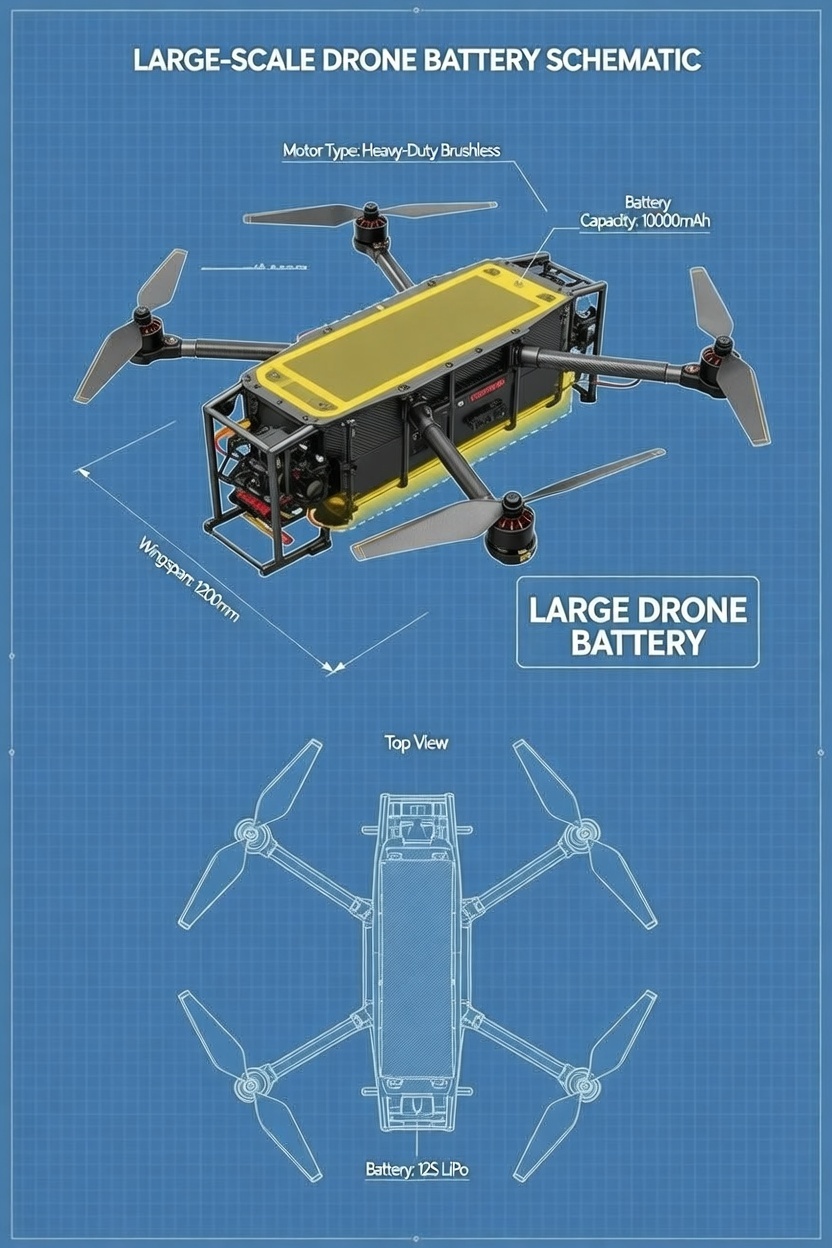
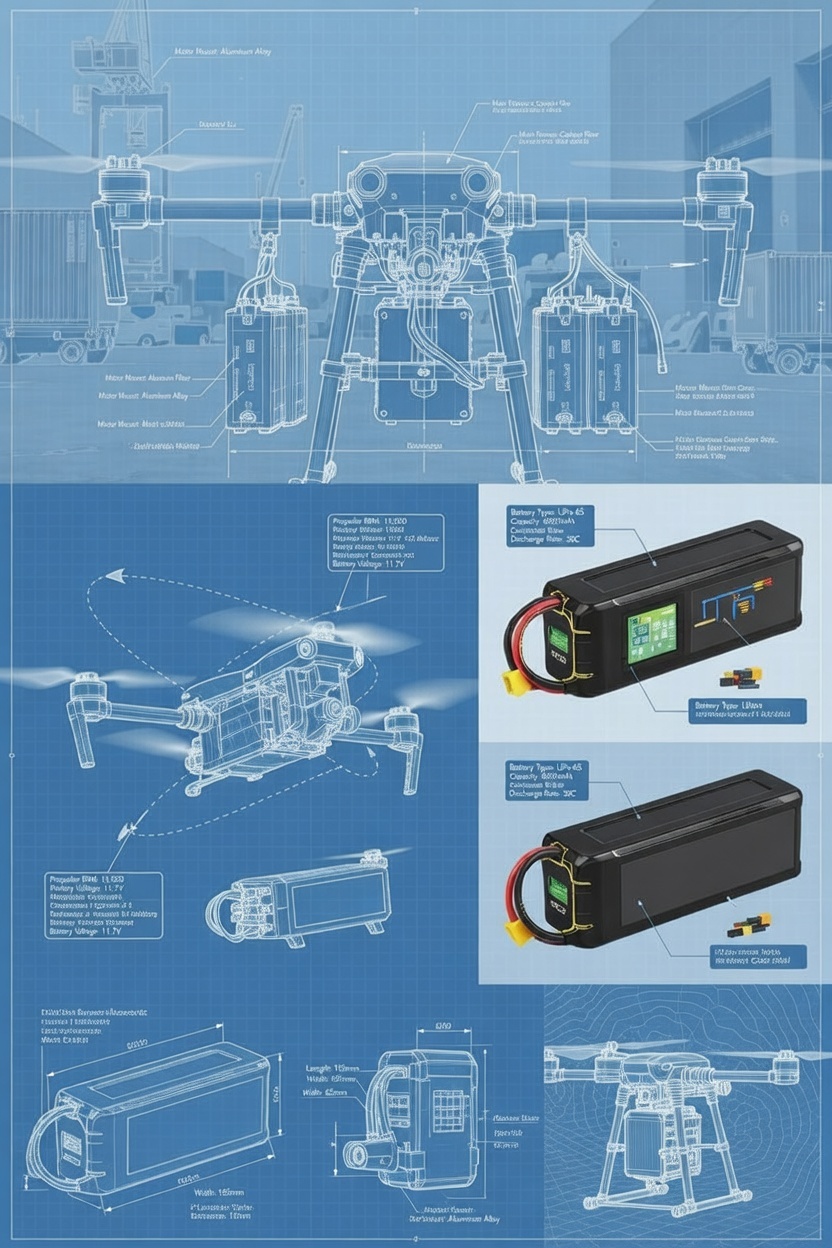
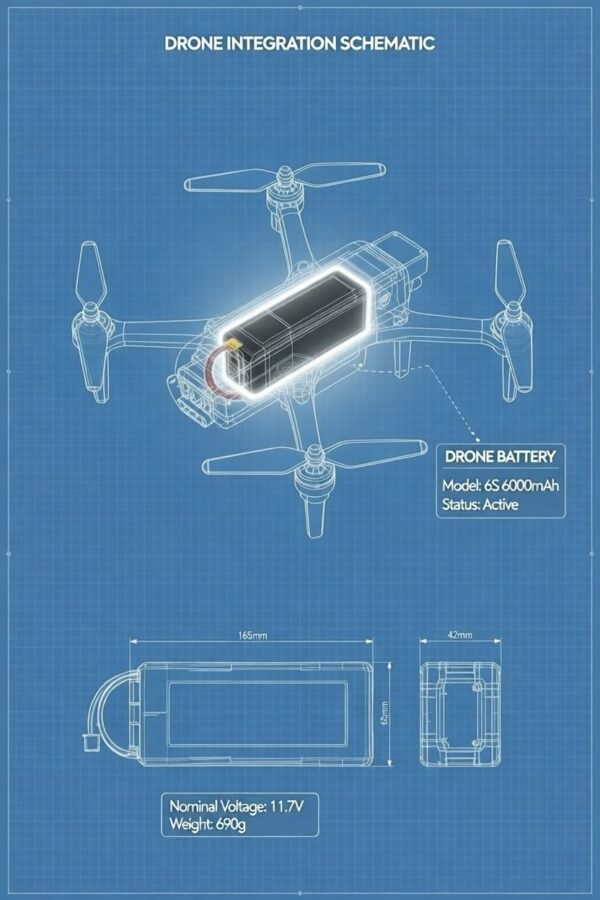
Drone batteries represent the most critical vulnerability in emergency operations. Lithium polymer batteries degrade over time, and without proper tracking of charge cycles, storage conditions, and manufacturing dates, teams risk mid-mission power failures. Many organizations purchase batteries from multiple suppliers without standardized quality verification protocols.
Fragmented Vendor Management
Working with numerous suppliers without centralized oversight creates inconsistencies in quality standards and delivery reliability. Emergency rescue teams often prioritize cost over traceability, accepting components without verified supply chain documentation.
Missing Real-Time Monitoring Systems
Static spreadsheets and manual tracking cannot provide the visibility needed for emergency operations. Without real-time monitoring of component status, location, and performance metrics, teams discover problems only when drones fail during critical missions.
Neglecting Regulatory Compliance Documentation
Aviation authorities increasingly require detailed supply chain documentation for commercial drone operations. Organizations that fail to maintain compliance records face operational restrictions precisely when emergency response capabilities are most needed.
Strategic Management Techniques for Robust Traceability
Implement Blockchain-Enabled Component Tracking
- Deploy distributed ledger technology to create immutable records of every component’s journey
- Enable instant verification of part authenticity and maintenance history
- Reduce counterfeit component risks through cryptographic verification
- Create transparent audit trails for regulatory compliance
Standardize Battery Lifecycle Management
- Track every battery from manufacturing through retirement
- Monitor charge cycles, storage temperatures, and performance degradation
- Establish clear replacement thresholds based on usage data
- Maintain backup battery inventories with verified readiness status
Build Multi-Tier Supplier Verification Systems
- Require all suppliers to provide complete supply chain documentation
- Conduct regular audits of manufacturer facilities and quality control processes
- Establish preferred vendor programs with traceability requirements
- Create contingency supplier networks for critical components
Deploy IoT-Enabled Asset Monitoring
- Install sensors that track component health in real-time
- Enable predictive maintenance through performance analytics
- Create automated alerts for components approaching failure thresholds
- Integrate monitoring data with mission planning systems
Establish Centralized Data Management Platforms
- Consolidate all supply chain information into unified dashboards
- Enable cross-functional access for operations, maintenance, and procurement teams
- Create automated reporting for compliance and performance metrics
- Ensure data security and backup protocols for mission-critical information
Best Practices for Emergency Rescue Drone Operations
Prioritize Quality Over Cost: Emergency operations cannot tolerate component failures. Invest in verified suppliers with proven traceability systems rather than pursuing lowest-cost options.
Maintain Redundant Supply Chains: Develop relationships with multiple qualified suppliers for critical components. This ensures continuity when primary sources face disruptions.
Conduct Regular Supply Chain Audits: Schedule quarterly reviews of all supplier documentation, component performance data, and compliance records. Identify vulnerabilities before they become operational failures.
Train Teams on Traceability Protocols: Ensure all personnel understand documentation requirements and verification procedures. Human error remains a significant source of traceability breakdowns.
Integrate Traceability with Mission Planning: Connect supply chain data with operational scheduling. Never deploy drones with components approaching end-of-life thresholds during critical missions.
The Critical Role of Power Systems in Drone Traceability
Battery performance directly determines mission success for emergency rescue drones. Power system traceability requires special attention because battery degradation occurs gradually and isn’t always visible through external inspection. Organizations must track manufacturing dates, storage conditions, charge cycle counts, and performance testing results for every battery pack.
Temperature exposure during storage and transport significantly impacts battery longevity. Supply chain documentation should include environmental monitoring data throughout the component’s journey from manufacturer to deployment. This information helps predict remaining useful life and schedule proactive replacements before failures occur.
Building a Culture of Traceability Excellence
Technical systems alone cannot ensure supply chain integrity. Organizations must cultivate cultures where documentation and verification become natural behaviors rather than bureaucratic burdens. Leadership should emphasize that traceability directly supports mission success and saves lives.
Regular training sessions, clear accountability structures, and positive reinforcement for compliance help embed traceability practices into daily operations. When team members understand how their documentation work enables successful rescue missions, engagement and accuracy improve significantly.
Conclusion
Supply chain traceability for emergency rescue drones isn’t optional—it’s essential for mission success and operational safety. Organizations that avoid common mistakes in component documentation, battery management, vendor oversight, and real-time monitoring build resilient systems that perform when lives depend on them. The investment in robust traceability systems pays dividends through reduced failures, regulatory compliance, and most importantly, successful rescue operations.
Emergency response teams cannot afford supply chain uncertainties. By implementing blockchain tracking, standardized battery lifecycle management, multi-tier supplier verification, IoT monitoring, and centralized data platforms, organizations create the operational certainty that emergency missions demand.
Call to Action
Ready to strengthen your emergency rescue drone supply chain? Our team specializes in high-performance drone battery systems with complete traceability documentation. We understand that emergency operations require absolute reliability and transparent supply chains.
Contact us today to discuss how our verified battery solutions can enhance your rescue team’s operational readiness. Visit our contact page at https://cnsbattery.com/drone-battery-home/drone-battery-contact to connect with our specialists and learn more about traceable power systems designed for emergency response missions.
Don’t wait for a supply chain failure to reveal vulnerabilities in your drone operations. Build traceability excellence now and ensure your rescue teams have the reliable equipment they need when disasters strike.