High Search Volume: Best Low-Altitude Aircraft Developers Drone Battery Suppliers Focusing on After-Sales Support
The sky is no longer the limit; it is the new frontier. As we navigate through 2026, the low-altitude economy has exploded from a conceptual blueprint into a trillion-dollar reality. From urban air mobility (UAM) taxis to last-mile delivery drones, the airspace below 1,000 meters is buzzing with activity. However, amidst the excitement of vertical take-offs and autonomous flights, a critical challenge grounds many developers: power reliability and support.
Imagine a fleet of delivery drones grounded because a battery cell failed, and the supplier takes weeks to respond. In an industry where uptime equals revenue, this is a catastrophe. Selecting the right drone battery suppliers is not just about purchasing cells; it is about partnering with a team that ensures your low-altitude aircraft stay airborne. This article dives deep into how to identify the best developers who prioritize after-sales support, ensuring safety, efficiency, and scalability for your operations.
The Critical Role of Batteries in the Low-Altitude Economy
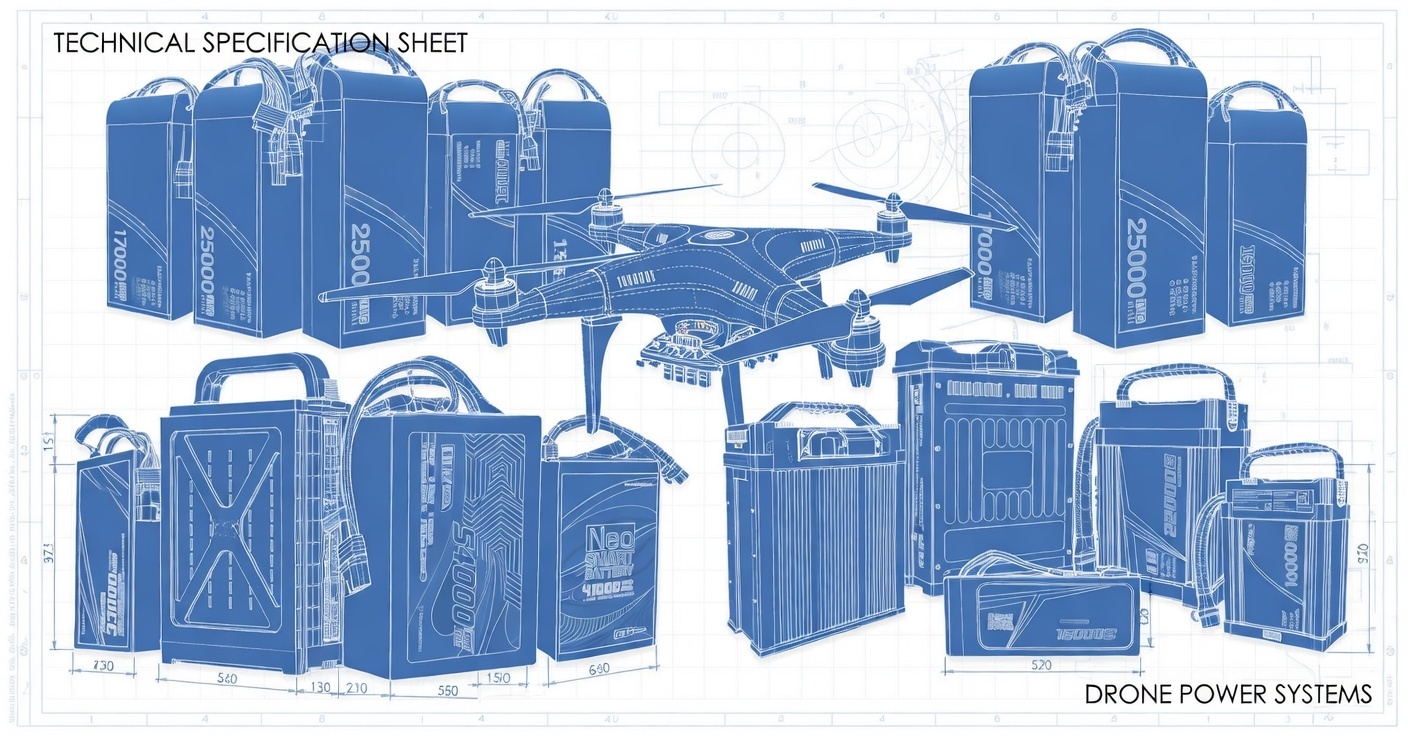
The heart of any unmanned aerial vehicle (UAV) or electric vertical take-off and landing (eVTOL) aircraft is its energy system. Unlike consumer electronics, low-altitude aircraft batteries operate under extreme conditions. They must deliver high discharge rates during take-off, maintain stability during hover, and manage thermal loads efficiently.
According to industry reports from 2025, the market size of the low-altitude economy is projected to reach $210 billion globally, with expectations to grow exponentially by 2035. However, this growth hinges on battery technology. Modern eVTOL requirements demand energy densities exceeding 400Wh/kg, charging rates above 5C, and cycle lives targeting 1,000+ charges. More importantly, aviation standards enforce a “zero tolerance” policy on safety. A battery failure in the air is not an inconvenience; it is a safety incident.
Key Performance Indicators for Aviation-Grade Batteries
- Energy Density: Must support extended flight times without excessive weight.
- Power Density: Crucial for vertical lift and emergency maneuvers.
- Thermal Management: Preventing overheating during high-load operations.
- Safety Certifications: Compliance with UN38.3, IEC, and specific aviation authority standards (e.g., CAAC, EASA).
Why After-Sales Support Matters More Than Price
When procurement teams evaluate drone battery suppliers, the initial cost per watt-hour often dominates the conversation. However, experienced low-altitude aircraft developers know that the total cost of ownership (TCO) is dictated by support quality. A cheaper battery that lacks technical backing can lead to costly downtime, regulatory hurdles, and even fleet recalls.
In 2026, the differentiation between a commodity supplier and a strategic partner lies in after-sales support. This encompasses everything from real-time technical troubleshooting to warranty claims and replacement logistics. For commercial operators, a battery issue resolved in 24 hours versus 2 weeks can mean the difference between profit and loss.
The Hidden Costs of Poor Support
- Operational Downtime: Grounded aircraft generate no revenue.
- Safety Risks: Lack of expert guidance on battery maintenance can lead to hazardous situations.
- Regulatory Compliance: Without proper documentation and support from the supplier, achieving airworthiness certification becomes difficult.
- Integration Delays: Incompatible BMS (Battery Management System) protocols can stall development cycles.
Key Components of Robust After-Sales Support
Not all support teams are created equal. When searching for the best low-altitude aircraft developers drone battery suppliers, you need to scrutinize their service offerings. A top-tier supplier acts as an extension of your engineering team.
1. Technical Assistance and Integration
Battery integration is complex. Suppliers should offer engineering support to help integrate their battery packs with your aircraft’s power distribution system. This includes providing detailed communication protocols (CAN bus, RS485) and assisting with BMS calibration.
2. Warranty and Replacement Policies
Aviation batteries degrade over time. A transparent warranty policy that covers capacity retention and defect replacement is essential. Look for suppliers who offer expedited replacement services to minimize fleet downtime.
3. Training and Education
Knowledge transfer is vital. Leading suppliers provide training sessions for your maintenance crews on proper charging, storage, and handling procedures. This reduces human error and extends battery life.
4. 24/7 Emergency Response
Air operations don’t always happen during business hours. A dedicated support line for critical issues ensures that if a battery anomaly occurs during a night operation, help is available immediately.
Evaluating Drone Battery Suppliers: A Checklist
To ensure you are partnering with a reliable entity, use this checklist during your vendor qualification process. This approach aligns with E-E-A-T (Experience, Expertise, Authoritativeness, and Trustworthiness) principles, ensuring you make informed decisions.
- Certification Verification: Does the supplier hold ISO 9001, AS9100, or specific aviation battery certifications?
- R&D Capability: Do they have an in-house research team working on next-gen technologies like solid-state batteries?
- Track Record: Can they provide case studies of successful deployments in similar aircraft categories?
- Supply Chain Stability: Are they resilient against raw material shortages?
- Support Infrastructure: Do they have regional service centers or a robust logistics network for returns and repairs?
Case Study: Minimizing Downtime in Commercial Logistics
Consider the case of a mid-sized logistics company operating a fleet of heavy-lift drones for medical supply delivery in remote areas. Initially, they partnered with a supplier based solely on unit cost. Within six months, they faced a 15% failure rate due to thermal issues in high-temperature environments. The supplier’s response time was over 10 days, causing significant service disruptions.
The company switched to a drone battery supplier specializing in after-sales support. The new partner conducted a thorough analysis of the failure modes, customized the thermal management system, and provided on-site training for the logistics team. They also established a local inventory of spare packs.
The Result:
- Downtime reduced by 90%.
- Battery lifecycle extended by 30% due to better maintenance practices.
- Operational confidence restored, allowing the company to expand their flight zones.
This case illustrates that investing in support is investing in operational continuity.
Future Trends: Solid-State and Smart BMS
As we look beyond 2026, the landscape of low-altitude aircraft power is evolving. Solid-state batteries are poised to become the industry standard, offering higher energy density and inherent safety benefits. However, these new technologies require even more sophisticated support structures.
The Rise of Smart Battery Management
Future battery packs will feature AI-driven BMS capable of predicting failures before they occur. Suppliers will need to offer cloud-based monitoring services, allowing operators to track battery health in real-time. This shift means your supplier must be proficient in software support as well as hardware manufacturing.
Sustainability and Recycling
Environmental regulations are tightening. Top-tier suppliers are now offering end-of-life recycling programs for battery packs. This circular economy approach not only complies with regulations but also enhances the brand image of low-altitude aircraft developers.
Conclusion: Partnering for Success in the Skies
The low-altitude economy offers unprecedented opportunities, but it demands uncompromising reliability. Choosing the right drone battery suppliers is a strategic decision that impacts safety, efficiency, and profitability. By prioritizing after-sales support, you ensure that your fleet remains operational, compliant, and competitive.
Don’t let power issues ground your ambitions. Partner with a team that understands the complexities of aviation-grade energy systems and stands by their products with comprehensive support.
Ready to Elevate Your Project?
If you are looking for a reliable partner who combines cutting-edge battery technology with exceptional after-sales service, we are here to help. Our team specializes in providing custom solutions for low-altitude aircraft developers, ensuring your power systems are as innovative as your designs.
Contact us today to discuss your specific requirements and discover how we can support your mission.
👉 Get in touch with our experts: Drone Battery Contact
For more insights on battery technology and industry standards, explore our resources and stay ahead in the rapidly evolving low-altitude economy.